In managing diabetes effectively, the role of a well-balanced, plant-based diet cannot be overrated. As we will examine the intricacies of diabetes management, this article aims to be your guide, presenting 30 unique diabetes-safe plant-based fiber meals. From breakfast to dinner and snacks to desserts, these recipes are not only delicious but also tailored to support blood sugar control.
Understanding Diabetes and Plant-Based Nutrition
The Impact of Diabetes on Dietary Choices
Diabetes, a chronic metabolic disorder, has become a prevalent health concern globally, affecting millions of individuals. One of the key aspects influencing the management of diabetes is dietary choices. This is a condition characterized by elevated blood sugar levels that necessitates careful consideration of dietary choices. Individuals managing diabetes often seek diets that not only satiate their taste buds but also contribute to stable blood sugar levels.
Making informed decisions about food intake is crucial for maintaining stable blood sugar levels and overall well-being. In this discussion, we will explore the impact of diabetes on dietary choices, with a particular focus on the benefits of incorporating safe plant-based fiber meals.
The Diabetes-Diet Connection:
People diagnosed with diabetes often find themselves struggling with a complex relationship between the food they consume and their health. Dietary choices play a pivotal role in managing blood glucose levels, preventing complications, and promoting a healthy lifestyle. Individuals with diabetes are frequently advised to adopt dietary patterns that emphasize nutrient-rich, low-glycemic foods, and safe plant-based fiber meals perfectly align with these recommendations.
Safe Plant-Based Fiber Meals: A Key to Diabetes Management
Low Glycemic Index (GI): Safe plant-based fiber meals typically have a low glycemic index, meaning they cause a slower rise in blood sugar levels. This characteristic is advantageous for individuals with diabetes as it helps maintain better control over glucose levels.
Stabilizing Blood Sugar: The high fiber content in plant-based meals contributes to stabilizing blood sugar levels by slowing down the absorption of glucose. This gradual release of sugar into the bloodstream minimizes the risk of sudden spikes, which is a critical consideration for those managing diabetes.
Weight Management: Diabetes management often involves maintaining a healthy weight. Plant-based meals, rich in fiber, promote satiety, reducing the likelihood of overeating. This, in turn, supports weight management, a key factor in controlling diabetes progression.
Heart Health: Individuals with diabetes are at a higher risk of cardiovascular complications. Plant-based diets have been associated with improved cardiovascular health, and the inclusion of safe plant-based fiber meals can contribute to reducing the risk of heart-related issues in diabetic individuals.
Therefore, the impact of diabetes on dietary choices is profound, influencing various aspects of one’s health. Embracing safe plant-based fiber meals emerges as a wise choice for individuals managing diabetes. These meals not only assist in stabilizing blood sugar levels but also offer a plethora of health benefits, contributing to overall well-being. By making informed dietary decisions, individuals with diabetes can empower themselves to lead a healthier lifestyle and effectively manage their condition.
Benefits of a Plant-Based Diet for Diabetes
A plant-based diet, rich in fruits, vegetables, legumes, and whole grains, has emerged as a powerful ally in the battle against diabetes. The abundance of fiber, vitamins, and minerals in plant-based foods can contribute to improved insulin sensitivity and overall health. In this discussion, we will delve into the benefits of incorporating safe plant-based fiber meals into the diet, emphasizing their positive impact on diabetes management.
Benefits of Safe Plant-Based Fiber Meals for Diabetes
Enhanced Insulin Sensitivity: Safe plant-based fiber meals play a pivotal role in enhancing insulin sensitivity. The high fiber content aids in regulating blood sugar levels, promoting a more efficient response to insulin, and reducing the risk of insulin resistance, a common concern for individuals with diabetes.
Stabilized Blood Sugar Levels: The fiber-rich composition of safe plant-based meals facilitates the stabilization of blood sugar levels. By slowing down the absorption of glucose, these meals contribute to preventing sudden spikes, helping individuals with diabetes maintain better control over their condition.
Weight Management Support: Weight management is integral to diabetes care, and safe plant-based fiber meals contribute to this aspect. The combination of fiber and nutrient density promotes a feeling of fullness, reducing the likelihood of overeating, and supporting individuals in achieving and maintaining a healthy weight.
Heart Health Promotion: Beyond diabetes management, safe plant-based fiber meals contribute to overall cardiovascular health. The inclusion of these meals in a plant-based diet has been associated with lower risks of heart-related issues, providing added benefits for individuals with diabetes who are often at an increased risk of cardiovascular complications.
Rich Source of Nutrients: Safe plant-based fiber meals are not only fiber-rich but also provide essential vitamins and minerals crucial for overall health. The nutrient density of these meals ensures that individuals with diabetes receive the necessary elements for optimal well-being.
The choice to incorporate safe plant-based fiber meals into the diet offers a myriad of benefits for individuals managing diabetes. From enhanced insulin sensitivity to stabilized blood sugar levels and support for weight management, these meals contribute to comprehensive diabetes care. By embracing a plant-based diet, individuals can harness the power of safe plant-based fiber meals to improve their overall health and effectively navigate the challenges of diabetes.
The Crucial Role of Fiber in Managing Blood Sugar Levels
Fiber, a non-digestible carbohydrate found in plant foods, plays a pivotal role in regulating blood sugar levels. It slows down the absorption of sugar, preventing sudden spikes, and promotes a gradual release of energy, which is essential for those with diabetes. In this exploration, we will focus on the indispensable role of fiber, especially in the context of safe plant-based fiber meals, in effectively managing blood sugar levels.
The Crucial Role of Safe Plant-Based Fiber Meals in Blood Sugar Management
Preventing Sudden Spikes: Safe plant-based fiber meals are rich in fiber, which acts as a natural buffer against rapid increases in blood sugar levels. The fiber content slows down the absorption of sugar, mitigating the risk of sudden spikes that can be particularly detrimental for individuals with diabetes.
Promoting Gradual Energy Release: The gradual release of energy facilitated by safe plant-based fiber meals is particularly advantageous for those managing diabetes. Unlike high-glycemic foods that lead to rapid energy spikes, the controlled release of energy from these meals supports a more stable and sustainable energy supply, helping individuals maintain consistent blood sugar levels.
Enhancing Satiety and Weight Management: The fiber content in safe plant-based meals contributes to a feeling of fullness and satiety. This characteristic aids in weight management, as individuals are less likely to overeat. Maintaining a healthy weight is crucial in diabetes management, making safe plant-based fiber meals an excellent choice for those seeking comprehensive care.
Regulating Insulin Sensitivity: The impact of fiber on insulin sensitivity cannot be overstated. Safe plant-based fiber meals contribute to regulating insulin sensitivity, helping the body respond more effectively to insulin signals. This is of paramount importance for individuals with diabetes seeking to manage their condition more effectively.
Supporting Digestive Health: Alongside its impact on blood sugar management, the fiber found in safe plant-based meals also supports digestive health. Fiber promotes regular bowel movements, prevents constipation, and fosters a healthy gut microbiota. A well-functioning digestive system is essential for overall health and can contribute to better glucose control in individuals with diabetes.
Reducing the Risk of Cardiovascular Complications: Diabetes is often associated with an increased risk of cardiovascular complications. The consumption of safe plant-based fiber meals has been linked to improved heart health. By lowering cholesterol levels, reducing blood pressure, and promoting arterial health, these meals help mitigate the risk of heart disease, a critical consideration for individuals with diabetes.
Diverse Nutrient Profile: Safe plant-based fiber meals offer a diverse array of nutrients essential for overall health. In addition to fiber, they contain vitamins, minerals, antioxidants, and phytonutrients, which play various roles in supporting bodily functions and combating inflammation. This diverse nutrient profile contributes to holistic health and complements the dietary needs of individuals with diabetes.
Versatility and accessibility: Safe plant-based fiber meals are versatile and accessible, making them suitable for individuals from diverse cultural backgrounds and dietary preferences. Whether consumed in the form of salads, soups, stir-fries, or grain bowls, these meals offer flexibility in meal planning and can be tailored to suit individual tastes and nutritional needs.
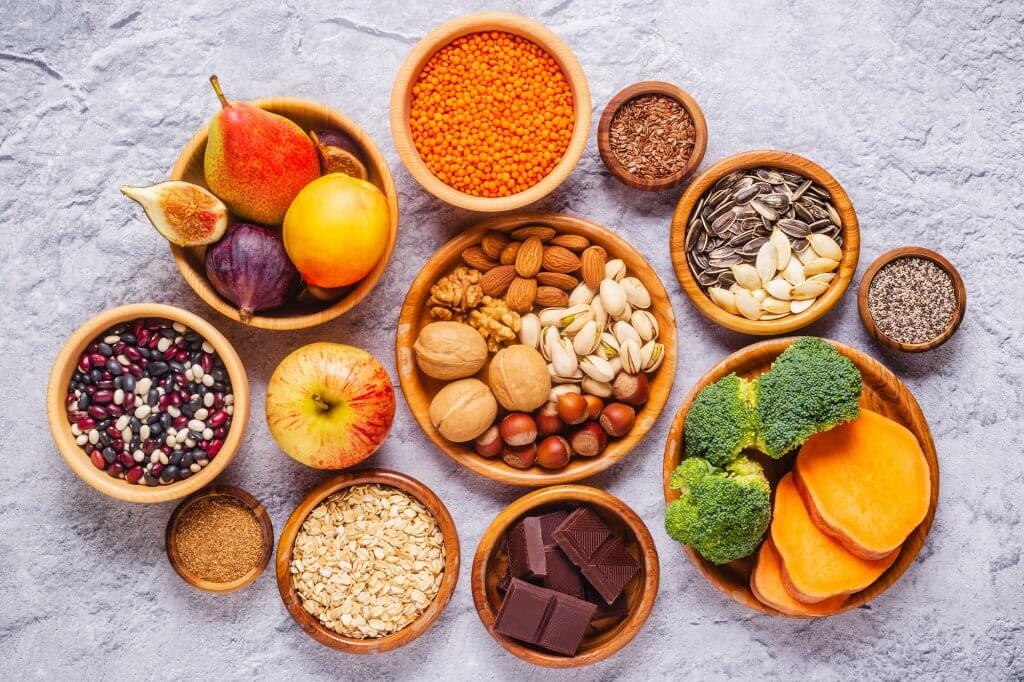
Products rich in fiber. Healthy diet food.
The role of fiber in managing blood sugar levels is indispensable, with safe plant-based fiber meals emerging as a key ally in this endeavor. By preventing sudden spikes, promoting gradual energy release, enhancing satiety, and regulating insulin sensitivity, these meals offer a holistic approach to blood sugar management. Incorporating safe plant-based fiber meals into one’s diet is a prudent choice for individuals with diabetes, providing them with a valuable tool in their efforts to maintain optimal blood sugar levels and overall well-being.
As a cornerstone of effective diabetes management, offering numerous benefits beyond blood sugar control. From supporting digestive health and reducing cardiovascular risk to providing a diverse nutrient profile and culinary versatility, these meals serve as a valuable asset in promoting overall well-being. By prioritizing the inclusion of safe plant-based fiber meals in their diets, individuals with diabetes can optimize their health outcomes, enhance their quality of life, and embark on a path toward long-term vitality and resilience.
Criteria for Diabetes-Safe Plant-Based Meals
In the creation of diabetes-friendly recipes, a crucial aspect to consider is the glycemic index (GI) and glycemic load (GL) of the ingredients used. These concepts play a pivotal role in managing blood sugar levels. This discussion will go into the significance of the glycemic index and glycemic load, with a particular focus on incorporating safe plant-based fiber meals into diabetes-friendly recipes.
Glycemic Index (GI): The glycemic index measures how quickly a carbohydrate-containing food raises blood glucose levels. Foods with a high GI are rapidly digested and cause a swift spike in blood sugar, while low-GI foods are digested more slowly, resulting in a more gradual increase. Safe Plant-Based Fiber Meals, with their emphasis on low-GI ingredients like vegetables, legumes, and whole grains, provide a foundation for recipes that help maintain stable blood sugar levels.
Glycemic Load (GL): Glycemic load takes the concept of glycemic index a step further by considering both the quality and quantity of carbohydrates in a serving of food. While the GI indicates how quickly a specific amount of food raises blood sugar, the GL considers the overall impact of a typical serving size. Safe plant-based fiber meals, with their rich fiber content, often have a lower glycemic load, contributing to sustained energy and minimizing blood sugar fluctuations in diabetes-friendly recipes.
Incorporating Safe Plant-Based Fiber Meals: When crafting diabetes-friendly recipes, it’s advantageous to focus on safe plant-based fiber meals. These meals, featuring fruits, vegetables, legumes, and whole grains, inherently carry a lower glycemic index due to their fiber content. Incorporating ingredients like leafy greens, beans, quinoa, and lentils in recipes ensures a balance that aligns with diabetes management goals.
Nutrient Density andBalancing Macronutrients: Creating meals that are not only flavorful but also nutrient-dense is crucial for individuals with diabetes. A focus on balanced macronutrients—carbohydrates, proteins, and healthy fats—ensures a well-rounded, diabetes-safe diet. Safe plant-based fiber meals offer an excellent opportunity to balance macronutrients in recipes. By combining fiber-rich ingredients with sources of healthy fats and proteins, such as nuts, seeds, and tofu, recipes become more satiating and contribute to better blood sugar control. This balanced approach aligns with the principles of diabetes-friendly nutrition.
Incorporation of Whole, Unprocessed Ingredients: Whole, unprocessed ingredients form the foundation of diabetes-safe plant-based meals. Minimizing the use of refined sugars and processed foods contributes to better blood sugar control and overall health.
Variety and Creativity: The versatility of safe plant-based fiber meals allows for a wide variety of creative and satisfying recipes. Whether it’s a hearty vegetable stir-fry, a quinoa salad, or a flavorful lentil soup, the options are diverse and adaptable to individual taste preferences, ensuring an enjoyable and sustainable approach to diabetes-friendly cooking.
Understanding and incorporating the concepts of glycemic index and glycemic load are essential in creating diabetes-friendly recipes. Safe plant-based fiber meals serve as a cornerstone in this endeavor, providing a foundation of low-GI, low-GL ingredients that contribute to stable blood sugar levels. By embracing the rich and varied world of plant-based fiber meals, individuals with diabetes can enjoy delicious, nourishing recipes that support their overall health and well-being.
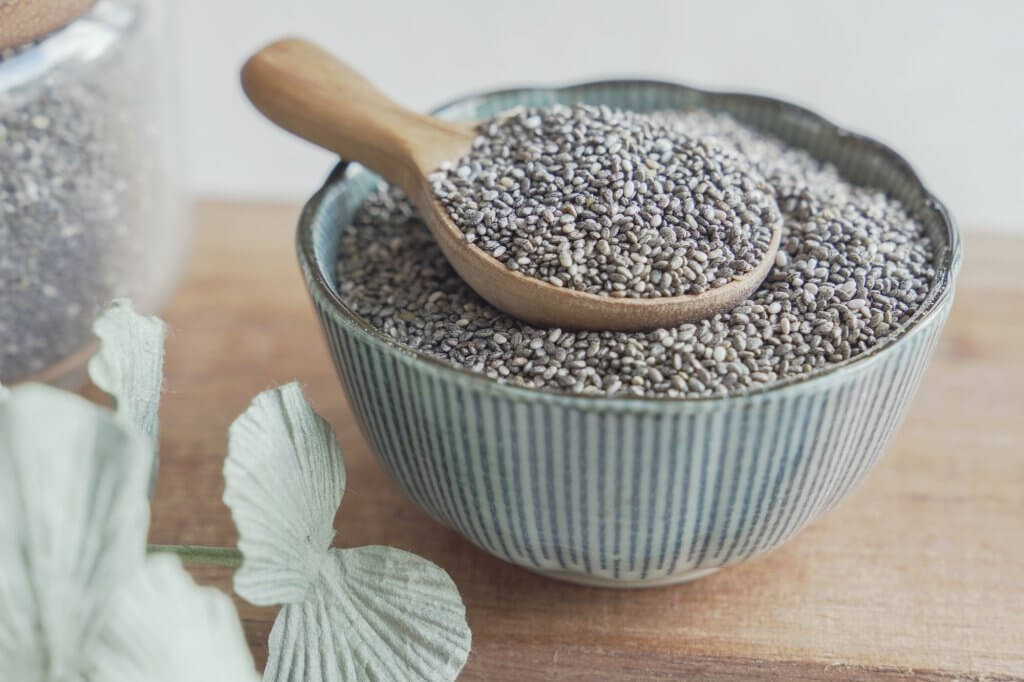
Black Chia seeds in wooden spoon and bowl, superfood healthy fiber food for gut health
Nutrient-packed with fiber, vitamins, and minerals.
6. Chickpea and Sweet Potato Curry
Ingredients:
Chickpeas
Sweet potatoes
Curry spices
Procedure:
Cook chickpeas, sweet potatoes, and spices in a curry sauce.
Simmer until flavors meld.
Benefits:
Protein- and fiber-rich, supporting blood sugar control.
7. Zucchini Noodles with Pesto:
Ingredients:
Zucchini
Basil pesto
Procedure:
Spiralize zucchini into noodles.
Toss with basil pesto for a low-carb, high-fiber option.
Benefits:
A light and refreshing dish supports blood sugar control.
Snacks and appetizers
8. Roasted Edamame with Sea Salt
Ingredients:
Edamame
Sea salt
Procedure:
Roast edamame and sprinkle with sea salt.
Enjoy a protein- and fiber-packed snack.
Benefits:
A crunchy alternative to traditional snacks.
9. Hummus and Veggie Plate
Ingredients:
Chickpea-based hummus
Fresh veggies (carrots, cucumbers, bell peppers)
Procedure:
Arrange hummus with a colorful array of fresh veggies.
Benefits:
A wholesome, protein-boosted, and fiber-rich snack.
10. Spicy Roasted Almonds
Ingredients:
Almonds
Spices (cayenne, paprika)
Procedure:
Roast almonds with a spicy twist.
Benefits:
Flavorful and satisfying, it is rich in healthy fats and fiber.
Desserts
11. Berry and Chia Seed Parfait
Ingredients:
Fresh berries
Chia seed pudding
Procedure:
Layer fresh berries with chia seed pudding.
Benefits:
A delightful, naturally sweet dessert with fiber benefits.
12. Dark Chocolate Avocado Mousse:
Ingredients:
Avocado
Dark chocolate
Procedure:
Blend avocado with melted dark chocolate.
Benefits:
A decadent, guilt-free dessert with healthy fats.
13. Baked Cinnamon Apple Slices
Ingredients:
Apple slices
Cinnamon
Procedure:
Bake apple slices with a sprinkle of cinnamon.
Benefits:
A comforting, naturally sweet treat.
Side Dishes
14. Roasted Brussels Sprouts with Balsamic Glaze
Ingredients:
Brussels sprouts
Balsamic glaze
Procedure:
Roast Brussels sprouts until golden.
Drizzle with a balsamic glaze.
Benefits:
Fiber-rich and packed with antioxidants.
15. Quinoa-Stuffed Bell Peppers
Ingredients:
Bell peppers
Quinoa
Black beans
Procedure:
Cook quinoa and black beans; stuff into halved bell peppers.
Bake until the peppers are tender.
Benefits:
A colorful, protein-packed side dish with added fiber.
16. Steamed Broccoli with Lemon Zest
Ingredients:
Broccoli
Lemon zest
Procedure:
Steam broccoli until tender-crisp.
Garnish with fresh lemon zest.
Benefits:
Light, vitamin-rich, and fiber-filled side dish.
17. Cucumber and Tomato Salad with Mint
Ingredients:
Cucumbers
Tomatoes
Fresh mint
Procedure:
Combine sliced cucumbers and tomatoes.
Toss with fresh mint.
Benefits:
Refreshing, hydrating, and high in dietary fiber.
18. Roasted Garlic and Rosemary Sweet Potatoes
Ingredients:
Sweet potatoes
Garlic
Rosemary
Procedure:
Roast sweet potatoes with garlic and rosemary.
Benefits:
A flavorful, fiber-rich alternative to traditional potatoes.
Ingredients as source natural vitamins and dietary fiber, healthy nutrition concept
19. Spinach and Mushroom Sauté
Ingredients:
Spinach
Mushrooms
Garlic
Procedure:
Sauté mushrooms and garlic; add spinach.
Cook until the spinach wilts.
Benefits:
Iron-rich and fiber-filled side dish.
20. Cauliflower Rice Stir-Fry
Ingredients:
Cauliflower rice
Mixed vegetables
Soy sauce
Procedure:
Stir-fry cauliflower, rice, and veggies.
Season with soy sauce.
Benefits:
Low-carb, high-fiber alternative to traditional rice.
21. Asparagus and Tomato Quinoa Salad
Ingredients:
Quinoa
Asparagus
Cherry tomatoes
Procedure:
Cook quinoa and let it cool.
Toss with blanched asparagus and halved cherry tomatoes.
Benefits:
It is light, refreshing, and a great source of dietary fiber.
22. Roasted Eggplant Slices with Tahini Drizzle
Ingredients:
Eggplant
Olive oil
Tahini
Procedure:
Roast eggplant slices until golden.
Drizzle with a tahini dressing.
Benefits:
Creamy and satisfying, offering a unique flavor profile.
23. Grilled Portobello Mushrooms with Balsamic Glaze
Ingredients:
Portobello mushrooms
Balsamic glaze
Procedure:
Grill portobello mushrooms and drizzle with balsamic glaze.
Benefits:
Meaty texture, rich in fiber, and a delightful umami flavor.
24. Lemon Garlic Green Beans
Ingredients:
Green beans
Lemon
Garlic
Procedure:
Sauté green beans with minced garlic.
Finish with a squeeze of fresh lemon.
Benefits:
A zesty and fiber-packed side dish.
25. Sweet Corn and Black Bean Salad
Ingredients:
Sweet corn
Black beans
Red onion
Procedure:
Combine sweet corn, black beans, and diced red onion.
Toss with a light vinaigrette.
Benefits:
Colorful, satisfying, and high in both fiber and protein.
26. Mashed Butternut Squash with Sage
Ingredients:
Butternut squash
Fresh sage
Almond milk (optional)
Procedure:
Steam and mash butternut squash.
Add fresh sage for a burst of flavor.
Benefits:
Creamy and comforting, offering a dose of fiber and antioxidants.
27. Broccoli and Cauliflower Gratin
Ingredients:
Broccoli
Cauliflower
Nutritional yeast
Procedure:
Steam broccoli and cauliflower.
Top with nutritional yeast, and bake until golden.
Benefits:
Cheesy and fiber-filled, a wholesome gratin option.
28. Stuffed Bell Peppers with Quinoa and Black Beans
Ingredients:
Bell peppers
Quinoa
Black beans
Procedure:
Mix cooked quinoa with black beans; stuff bell peppers.
Bake until the peppers are tender.
Benefits:
A protein-packed, fiber-rich side dish.
29. Spiced Roasted Carrot Fries
Ingredients:
Carrots
Olive oil
Spices (cumin, paprika)
Procedure:
Cut carrots into fries and toss with olive oil and spices.
Roast until crispy.
Benefits:
A flavorful and fiber-filled alternative to traditional fries.
30. Sautéed Kale with Garlic and Lemon
Ingredients:
Kale
Garlic
Lemon
Procedure:
Sauté the kale with minced garlic until tender.
Finish with a squeeze of fresh lemon.
Benefits:
A nutrient-dense, fiber-rich green side dish.
With this expanded list of 30 unique diabetes-safe plant-based fiber meals, your culinary journey becomes even more diverse. From satisfying breakfasts to wholesome main courses, delightful snacks, guilt-free desserts, and now an array of flavorful side dishes, these recipes offer a comprehensive approach to a balanced, diabetes-conscious lifestyle. Enjoy the variety, experiment with flavors, and savor the numerous benefits that these plant-based fiber meals bring to your table.
Cooking Tips and Techniques for Diabetes-Friendly Plant-Based Meals
Use of Whole Grains and Legumes
Incorporating whole grains and legumes into your meals not only adds fiber but also enhances the nutritional value of your dishes. Opt for brown rice, quinoa, and lentils for a diabetes-friendly boost.
Smart Substitutions for Traditional High-Sugar Ingredients
Revamping your favorite recipes to align with a healthier lifestyle involves making smart ingredient substitutions, especially when it comes to reducing high-sugar content. Here, we’ll focus on transforming traditional recipes by incorporating safe plant-based fiber meals and making strategic swaps for high-sugar ingredients. By replacing refined sugars with natural sweeteners like maple syrup or agave nectar, you can enjoy the sweetness without compromising on blood sugar control.
Safe Plant-Based Fiber Meals as the Foundation: Utilizing safe plant-based fiber meals as the cornerstone of your recipe transformations provides a solid foundation. These meals, rich in fruits, vegetables, legumes, and whole grains, inherently contribute to a diet high in fiber, which is essential for managing blood sugar levels effectively.
Revamping Sweeteners: Start by reconsidering the sweeteners you use. Instead of refined sugars that contribute to blood sugar spikes, opt for natural alternatives such as maple syrup or agave nectar. These sweeteners not only add a pleasant taste to your dishes but also provide additional nutrients and a lower glycemic impact.
Maple Syrup: A Natural Sweet Delight Maple syrup, derived from the sap of sugar maple trees, serves as an excellent alternative to traditional sugars. Its rich, robust flavor enhances both sweet and savory dishes. When incorporated into recipes, it ensures a natural sweetness without the rapid spikes associated with refined sugars.
Agave Nectar, Nature’s Sweet Elixir: Agave nectar, extracted from the agave plant, presents another smart substitution. Known for its high sweetness level, agave nectar imparts a delightful taste to various recipes. Its low glycemic index contributes to more stable blood sugar levels, making it a preferable choice for those mindful of their glucose intake.
Benefits of Smart Sweetener Substitutions: Making the switch to natural sweeteners offers several benefits. Not only do maple syrup and agave nectar bring a unique flavor profile to your dishes, but they also provide additional nutrients such as antioxidants and minerals, contributing to an overall healthier eating experience.
Maintaining Flavor and Texture Concerned about losing flavor or texture in your favorite recipes? Fear not. Safe plant-based fiber meals, combined with natural sweeteners, ensure that you not only maintain but also enhance the taste and texture of your dishes. From breakfast options to desserts, the possibilities are diverse.
Recipe Example: Maple-Glazed Roasted Vegetables: Try revamping a classic roasted vegetable dish by replacing traditional sugar in the glaze with maple syrup. The natural sweetness of maple syrup complements the savory flavors of the vegetables, creating a delectable side dish without compromising on health.
Recipe Example: Agave-Sweetened Chia Pudding: Transform your breakfast routine by preparing a chia seed pudding sweetened with agave nectar. The subtle sweetness adds a delightful touch to the pudding, offering a satisfying and nutritious start to your day.
Cumulatively, making smart substitutions for traditional high-sugar ingredients by incorporating safe plant-based fiber meals and opting for natural sweeteners like maple syrup or agave nectar allows you to enjoy the flavors you love while supporting better blood sugar control. Embrace these alternatives in your cooking journey and discover a world of delicious, diabetes-friendly recipes that prioritize both taste and well-being.
Portion Control and Mindful Eating
Maintaining portion control is key to managing diabetes. By practicing mindful eating, you can savor each bite, recognize when you’re satisfied, and avoid overeating, contributing to better blood sugar management.
Incorporating Variety for Balanced Nutrition
Importance of Diverse Plant-Based Sources for Essential Nutrients
A diverse range of plant-based foods ensures you receive a spectrum of essential nutrients. Incorporate various fruits, vegetables, nuts, seeds, and legumes into your meals to guarantee a well-rounded nutritional profile, supporting overall health and diabetes management.
Exploring Different Flavors and Cuisines within a Diabetes-Safe Framework
Don’t let diabetes limit your culinary exploration. Experiment with different herbs, spices, and global cuisines to keep your meals exciting and flavorful. From Mediterranean-inspired dishes to Asian-infused flavors, the world of plant-based cuisine is vast and accommodating.
Meal Planning and Preparation
Weekly Meal Planning for Diabetes Management
Efficient meal planning is a cornerstone of successful diabetes management. Allocate time each week to plan your meals, ensuring a balance of nutrients and flavors. This proactive approach helps you avoid last-minute unhealthy choices and contributes to stable blood sugar levels.
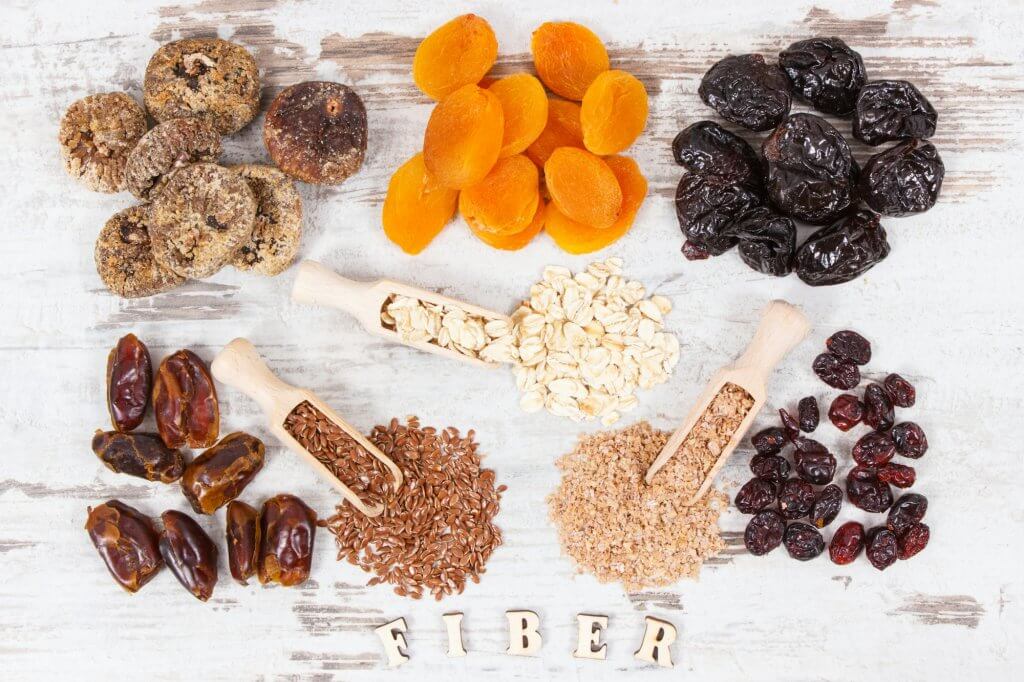
High Fiber Foods on white wooden background
Batch Cooking and Freezer-Friendly Options
Simplify your routine with batch cooking. Prepare large quantities of your favorite recipes and freeze individual portions for later use. This not only saves time but also ensures you always have a diabetes-friendly meal readily available, reducing the temptation for less healthy alternatives.
Time-Saving Tips for Busy Individuals
For those with a hectic schedule, incorporating time-saving strategies is crucial. Consider prepping ingredients in advance, utilizing kitchen gadgets, and opting for quick recipes that don’t compromise on nutritional value. These practices make maintaining a diabetes-friendly plant-based diet more manageable.
Conclusion
In diabetes management, a plant-based, high-fiber diet emerges as a beacon of hope. Our 30 unique recipes presented here showcase the versatility and deliciousness inherent in diabetes-safe plant-based meals. As you embark on this seemingly new culinary journey, remember that managing diabetes doesn’t mean sacrificing flavor or satisfaction. By embracing these recipes and adopting mindful eating habits, you empower yourself to take charge of your health and well-being.
Whether you’re enjoying a satisfying breakfast, a nourishing main course, a wholesome snack, a delightful dessert, or a flavorful side dish, these recipes contribute to a balanced and diabetes-conscious lifestyle. Embrace the variety, experiment with flavors, and savor the benefits of these plant-based fiber meals on your journey to better health.