Physical Address
304 North Cardinal St.
Dorchester Center, MA 02124
Physical Address
304 North Cardinal St.
Dorchester Center, MA 02124

In an interconnected world, understanding and combating prevalent health risks is paramount. This comprehensive guide sheds light on common global health threats, equipping readers with valuable insights and strategies for proactive defense. Through a nuanced exploration of prevalent challenges and informed preventative measures, this guide serves as an essential tool in safeguarding global well-being.
In 2023, the world will grapple with a significant challenge: widespread health diseases causing countless illnesses and deaths. Governments and health organizations globally are diligently working to combat these diseases through various approaches, including preventive care, education, treatment, vaccination, surveillance, and outbreak response. This comprehensive guide delves into the most prevalent global health concerns, offering detailed information on symptoms, transmission, treatment, and prevention to help you stay informed and healthy.
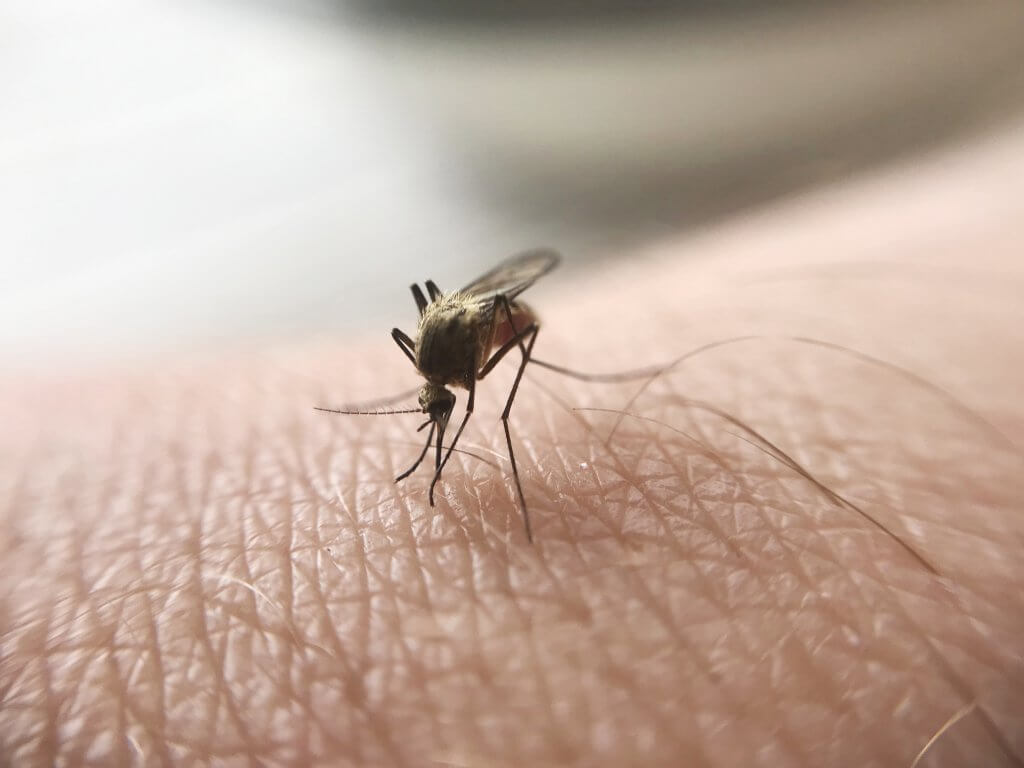
Symptoms: Fever, headache, muscle aches, chills, sweating, fatigue, nausea, vomiting
Transmission: Through the bite of infected Anopheles mosquitoes
Treatment: Antimalarial drugs and supportive care
Prevention: Insecticide-treated bed nets, antimalarial medications, and mosquito control programs
Symptoms: Cough, fever, difficulty breathing, chest pain, fatigue
Transmission: Through respiratory droplets from coughs or sneezes of infected individuals
Treatment: Antibiotics and oxygen therapy
Prevention: Vaccination, good hygiene practices, and avoiding close contact with sick individuals
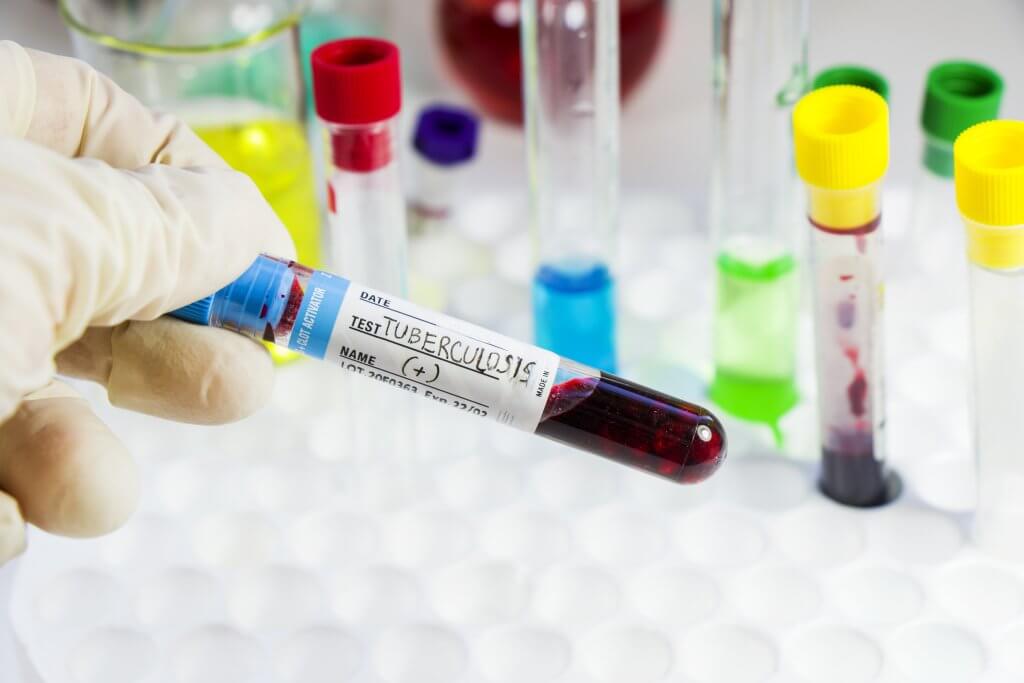
Symptoms: Coughing for more than three weeks, chest pain, fatigue, weight loss, fever
Transmission: Through inhalation of Mycobacterium tuberculosis bacteria
Treatment: A combination of antibiotics
Prevention: TB vaccine (BCG), good ventilation, and avoiding close contact with infected individuals
Symptoms: Flu-like symptoms, fatigue, weight loss, recurrent fever, swollen lymph nodes
Transmission: Through unprotected sex, sharing needles, or from mother to child during childbirth or breastfeeding
Treatment: Antiretroviral therapy (ART)
Prevention: Safe sex, needle exchange programs, and antiretroviral medications for prevention
Symptoms: High fever, headache, stomach pain, diarrhea, rose-colored spots on the chest
Transmission: Through ingestion of contaminated food or water
Treatment: Antibiotics
Prevention: Safe food and water practices, typhoid vaccines

Symptoms: Fever, cough, shortness of breath, fatigue, muscle aches, headache, sore throat, congestion or runny nose, nausea or vomiting, diarrhea
Transmission: Through respiratory droplets produced when an infected person coughs or sneezes
Treatment: There is no specific treatment for COVID-19, but most people recover with supportive care
Prevention: Get vaccinated against COVID-19, wear a mask in public indoor settings, practice social distancing, and wash your hands frequently
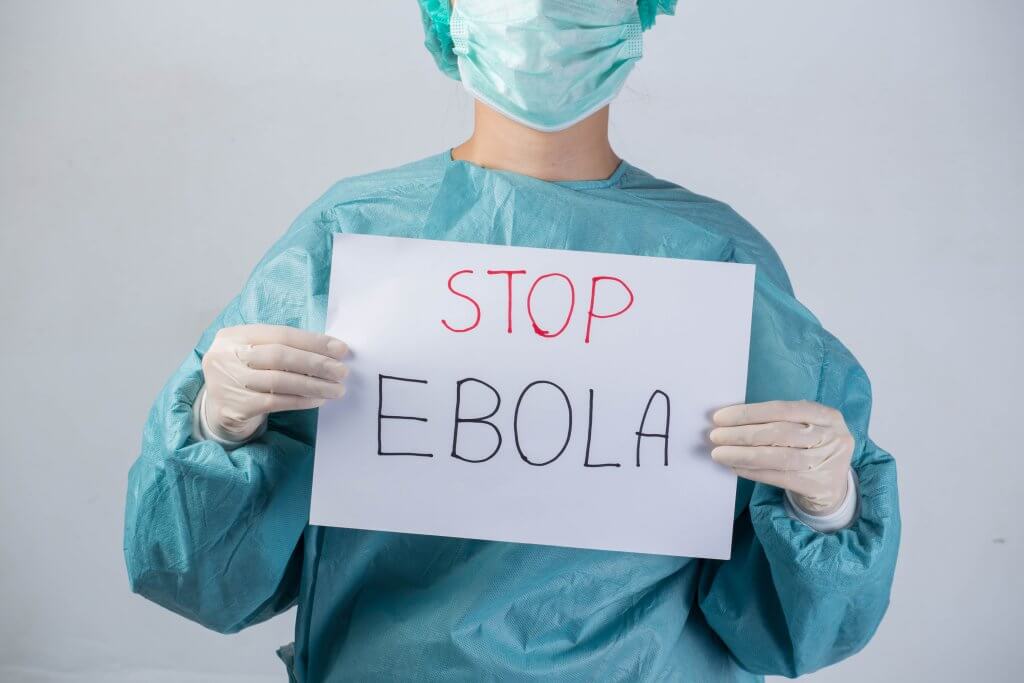
Symptoms: Fever, headache, muscle aches, fatigue, diarrhea, vomiting, bleeding
Transmission: Through contact with bodily fluids from an infected person or animal
Treatment: There is no specific treatment for Ebola, but supportive care can help improve survival rates
Prevention: Avoid contact with bodily fluids from infected people or animals, bury the dead safely, and wear personal protective equipment when caring for the sick
Symptoms: High fever, severe headache, pain behind the eyes, joint and muscle pain, rash, bleeding
Transmission: Through the bite of an infected Aedes mosquito
Treatment: Supportive care
Prevention: Use mosquito repellent, wear long sleeves and pants, and eliminate mosquito breeding sites
Symptoms: Fever, fatigue, headache, muscle aches, rash, swollen lymph nodes
Transmission: Through the bite of an infected triatomine bug
Treatment: Antiparasitic medications
Prevention: Avoid contact with triatomine bugs, use insecticide-treated nets when sleeping, and improve housing conditions to reduce bug infestations
Governments and international health organizations recognize that addressing these health diseases requires a comprehensive strategy. This strategy includes preventive care, education, treatment, vaccination, surveillance, and outbreak response. These measures are continually refined and expanded to ensure the well-being of populations worldwide.
It’s essential to note that the statistics provided are estimates based on data from various health organizations and governments. Actual numbers of cases and deaths may vary, making it imperative for health bodies to maintain robust surveillance and reporting systems.
If you’re concerned about your health, we strongly encourage you to seek regular checkups with a healthcare professional. Additionally, valuable information on preventing and treating these common health diseases is readily available from national health authorities, international health organizations, and other reliable sources.
In conclusion, the world is committed to addressing its global health challenges head-on, with a focus on holistic solutions and continuous improvement. By staying informed, taking preventive measures, and seeking timely medical attention, you can play an active role in safeguarding your health and the well-being of communities worldwide.
For more information on these and other diseases, please visit the websites of the World Health Organization (WHO) or the Centers for Disease Control and Prevention (CDC).


