Physical Address
304 North Cardinal St.
Dorchester Center, MA 02124
Physical Address
304 North Cardinal St.
Dorchester Center, MA 02124

Discover the world of root crops – from the nutritional wonders of potatoes to the cultural significance of cassava (yuca). Uncover tips for sustainable farming, creative recipes, and debunked myths in this comprehensive exploration.
Root crops, often overlooked heroes in our grocery carts, hold the key to unlocking a trove of nutritional benefits. From the humble potato to the vibrant sweet potato and earthy carrots, these below-ground wonders contribute significantly to a balanced diet. In this article, we’ll delve into the nutritional secrets of root crops, exploring their types, health impacts, culinary uses, and role in different cultures.
In the vibrant field of nutrition, where each ingredient weaves a story of health, root crops stand as unsung heroes, harboring the clandestine keys to optimal well-being. Welcome to the exploration of “Unlocking the Nutritional Secrets of Root Crops for a Balanced Diet.” Under the soil’s surface lies a world of vitamins, minerals, and dietary treasures waiting to transform your plate and nourish your body. Join us on a journey that transcends the mundane, where the humble potato, the vibrant carrot, and the earthy sweet potato become protagonists in the narrative of your health, revealing their hidden nutritional prowess for a harmonious and balanced diet.

Root crops come in various types and classes, and among them are the well-known potatoes, carrots, sweet potatoes, and beets. Each of these familiar faces in the produce aisle possesses a distinctive nutritional profile. Potatoes, for instance, are rich in potassium, contributing to cardiovascular health. Carrots, on the other hand, bring beta-carotene to the table, promoting eye health and immune function. Sweet potatoes, with their vibrant orange hue, offer a generous dose of vitamin A, crucial for skin health and immune support. Understanding these differences empowers us to make informed and purposeful choices when crafting a well-rounded and nutritious diet.
| Root Crop | Example | Nutritional Composition |
|---|---|---|
| Potatoes | Russet, Yukon Gold | Rich in potassium, supporting cardiovascular health. |
| Carrots | Orange, Rainbow | Abundant in beta-carotene, promoting eye health and immune function. |
| Sweet Potatoes | Beauregard, Jewel | Vibrant sources of vitamin A, crucial for skin health and immune support. |
| Beets | Red, Golden | Packed with antioxidants and nitrates, it supports heart health and energy levels. |
Exploring the table above, the diverse world of root crops reveals a palette of flavors and nutritional benefits, making them essential additions to a well-rounded and healthy diet. Let’s delve deeper into the distinct characteristics and contributions of each root crop:
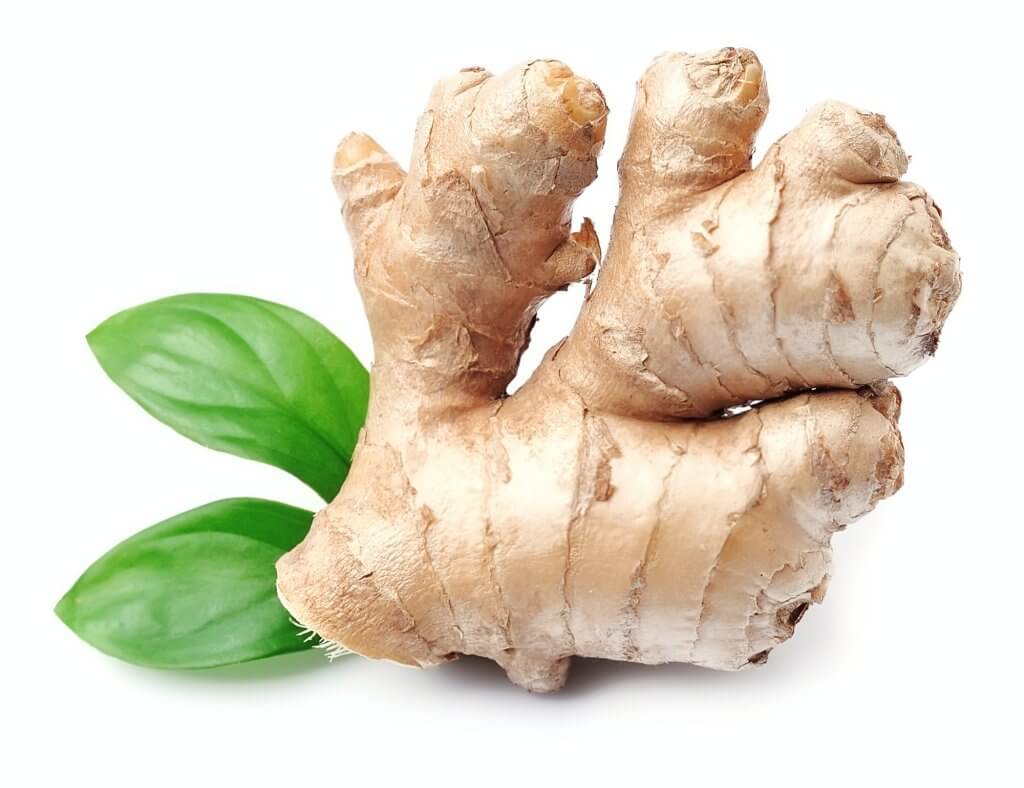
Examples: Russet, Yukon Gold
Nutritional Composition: Rich in potassium, potatoes are a formidable ally in supporting cardiovascular health. This essential mineral plays a crucial role in maintaining proper blood pressure and heart function, underlining the significance of including potatoes in your diet.
Examples: Orange, Rainbow
Nutritional Composition: Carrots stand out for their vibrant orange color, signifying their high beta-carotene content. This antioxidant transforms into vitamin A in the body, promoting optimal eye health and bolstering the immune system.
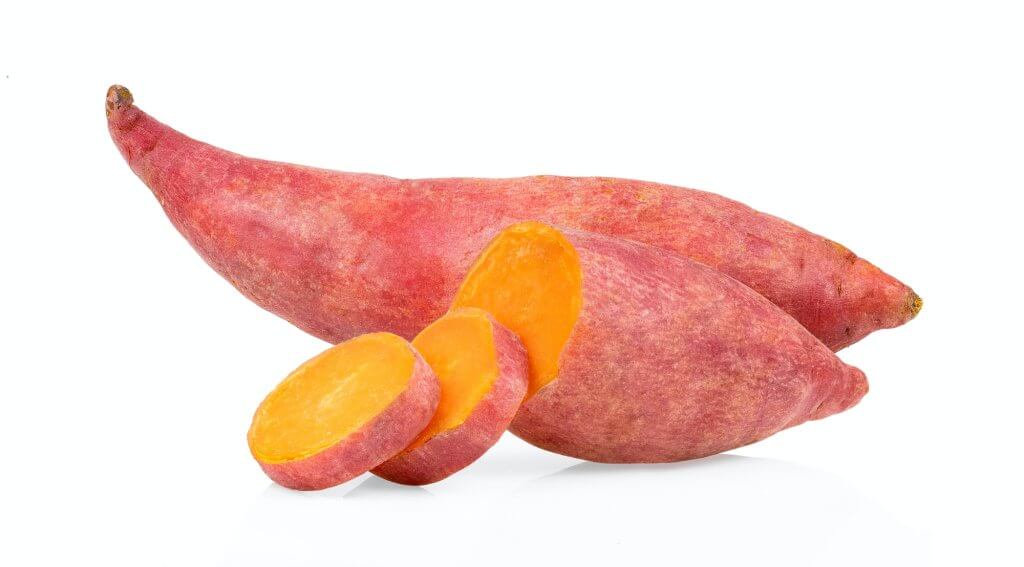
Examples: Beauregard, Jewel
Nutritional Composition: Beyond their appealing orange hue, sweet potatoes provide a substantial dose of vitamin A. This nutrient is vital for maintaining healthy skin, supporting immune function, and contributing to overall well-being.
Examples: Red, Golden
Nutritional Composition: Beets, characterized by their rich pigmentation, are a powerhouse of antioxidants and nitrates. These compounds contribute to heart health by aiding in blood flow regulation and supporting energy levels.
Incorporating a variety of root crops into your meals not only adds diversity to your plate but also ensures a broad spectrum of essential nutrients. Whether you’re savoring the comforting warmth of a baked potato, enjoying the crunch of fresh carrots, relishing the sweetness of a roasted sweet potato, or savoring the earthy richness of beets, each root crop brings its own unique flavor and nutritional goodness to the table. So, embrace the abundance of root crops and let their distinctive qualities elevate your culinary experiences and enhance your overall health.
Understanding the nuances of each root crop empowers you to curate a nutrient-rich plate tailored to your health goals and preferences. Here are some considerations for making informed choices:
Root crops offer a versatile canvas for culinary creativity. Potatoes can be mashed, baked, or fried, while carrots add a sweet crunch to salads. Sweet potatoes lend themselves to both sweet and savory dishes, and beets can be roasted or pickled for diverse flavor profiles.
Combining different root crops in your meals ensures a synergy of nutrients. For instance, a medley of roasted potatoes and carrots not only tantalizes your taste buds but also delivers a powerhouse of vitamins and minerals crucial for overall well-being.
The vibrant colors of root crops signify a spectrum of phytonutrients. Consuming a colorful array – from the golden hues of sweet potatoes to the deep reds of beets – ensures a diverse range of antioxidants that contribute to optimal health.
Embracing seasonal varieties of root crops supports local agriculture and ensures freshness. Seasonal produce is not only more environmentally sustainable but also tends to be more flavorful and nutrient-dense.
Tailor your root crop choices to align with your dietary preferences. Whether you’re following a specific eating plan like vegetarian, vegan, or paleo, root crops can seamlessly integrate into diverse diets, providing essential nutrients without compromising taste.
Final note here, understand that root crops play a harmonious tune, offering both taste and wellness. By embracing the diversity within this category, you not only enrich your palate but also fortify your body with a myriad of nutrients. So, the next time you navigate the produce aisle, consider the nutritional profiles of different root crops and let them become the vibrant and nourishing foundation of your culinary adventures.
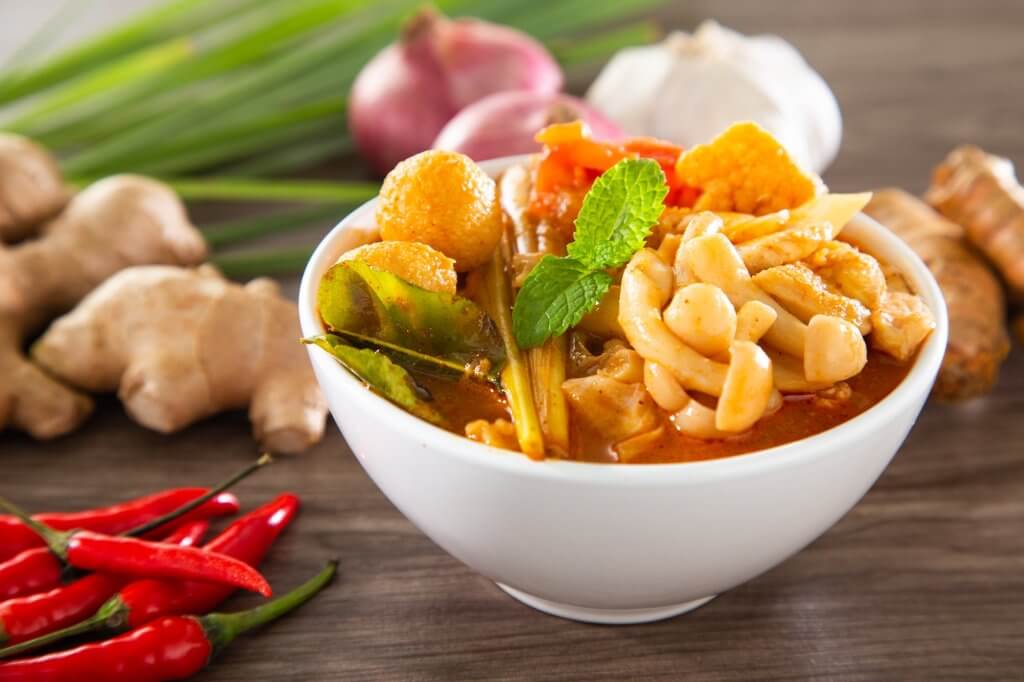
Root crops are nutritional powerhouses, packed with essential vitamins, minerals, and fiber. From vitamin C in potatoes to the high fiber content in sweet potatoes, these underground treasures provide the building blocks for a healthy body. We’ll dissect the nutritional components, showcasing how they contribute to overall well-being.
Numerous studies highlight the profound positive impact of root crops on overall health. These versatile vegetables, ranging from the commonplace potato to the nutrient-rich sweet potato, have been linked to a spectrum of health benefits. One key area of impact is heart health, with components like potassium found in potatoes playing a crucial role in cardiovascular well-being. Additionally, the vibrant orange hues of sweet potatoes signify high levels of beta-carotene, promoting not just eye health but also supporting the immune system.
The influence of root crops extends beyond heart health, delving into the realm of digestive well-being. With a notable fiber content, these vegetables aid in maintaining a healthy digestive system, fostering regularity and optimal nutrient absorption. Moreover, studies suggest that the inherent antioxidants and nitrates in root crops, particularly beets, contribute to cardiovascular health, assisting in regulating blood flow and sustaining energy levels.
Root crops, often underestimated, emerge as a delicious prescription for a healthier life. This article navigates through the scientific foundations supporting the positive health impact of root crops. By shedding light on the interconnected benefits for the heart, digestion, and immune function, we aim to inspire a reevaluation of the role these humble yet potent vegetables can play in enhancing your overall well-being. Embrace the nutritional prowess of root crops and savor the journey towards a healthier, more vibrant life.

While engaged in culinary exploration, root crops emerge as unsung heroes, offering a spectrum of flavors and textures that elevate dishes from ordinary to extraordinary. Their versatility in the kitchen is unmatched, from the timeless comfort of mashed potatoes to the innovative allure of sweet potato brownies, opening doors to endless culinary possibilities.
The classic mashed potatoes, creamy and indulgent, stand as a timeless favorite, embodying the comforting essence of home-cooked meals. Meanwhile, sweet potatoes, with their natural sweetness, lend themselves to innovative creations like delectable sweet potato brownies. These mouth-watering treats not only satisfy the sweet tooth but also infuse a nutrient-rich twist into traditional desserts.
Carrots, often confined to salads and side dishes, can be reinvented in vibrant carrot soups or even carrot-based sauces, adding depth and richness to a variety of dishes. Beetroot, with its earthy undertones, transforms into colorful chips or a vibrant hummus, showcasing its culinary adaptability beyond conventional boundaries.
This is aimed at transcending the ordinary, inviting readers to explore the rich diversity of root crops. Through a collection of enticing recipes, we encourage you to embrace the creative potential of these nutritional gems. Whether you’re a seasoned chef or an amateur cook, let the versatility of root crops inspire you to reimagine your culinary creations and embark on a flavorful adventure in your kitchen.
The significance of root crops extends far beyond their nutritional prowess, weaving a narrative of sustainability and global accessibility. Rooted in the soil, these crops not only nourish our bodies but also foster environmental well-being through sustainable agricultural practices.
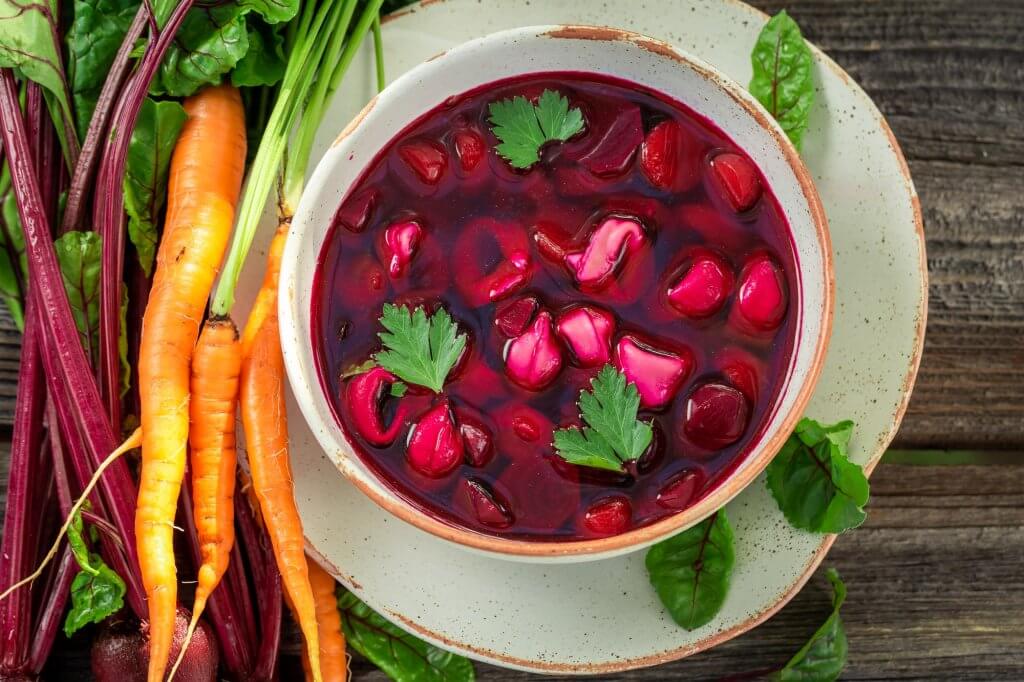
Root crops are champions of sustainable agriculture, requiring less water and space compared to many conventional crops. Their efficient use of resources makes them environmentally friendly, contributing to biodiversity and soil health. Additionally, certain root crops, like cover crops, play a vital role in preventing soil erosion and promoting overall agricultural sustainability.
Cultivating root crops often results in a lower carbon footprint compared to some other agricultural practices. Their ability to thrive in diverse climates and soil conditions reduces the need for extensive transportation, minimizing greenhouse gas emissions associated with food production. Embracing root crops can thus be seen as a conscientious choice towards mitigating the environmental impact of our dietary choices.
Root crops shine as beacons of accessibility, with their adaptability to various climates and soil types. Their hardiness makes them viable and affordable options for cultivation across diverse regions, providing sustenance to populations worldwide. This accessibility, coupled with their nutritional richness, positions root crops as key players in addressing global food security and ensuring a balanced diet for everyone.
In delving into the environmental advantages of cultivating root crops and championing their accessibility, we advocate for a shift towards more sustainable and inclusive dietary choices. Root crops, with their capacity to nourish both the planet and its inhabitants, beckon us to embrace a future where food sustains not only our bodies but also the delicate balance of our shared home.
Beyond environmental considerations, the cultivation of root crops fosters local economies and encourages agricultural diversity. The adaptability of these crops allows for widespread cultivation, supporting local farmers and economies. Root crops often become staples in regional cuisines, promoting cultural diversity and culinary traditions.
Root crops showcase resilience in the face of climate change, thriving in conditions where other crops may struggle. This resilience makes them vital in securing food sources, especially in regions susceptible to climate fluctuations. As unpredictable weather patterns become more prevalent, the role of root crops becomes increasingly crucial in ensuring food stability.
Root crops, known for their longer shelf life, contribute to the reduction of food waste. Their ability to stay fresh for extended periods minimizes the need for quick consumption, allowing for better management of food resources. This characteristic aligns with sustainability goals, promoting responsible consumption and minimizing the environmental impact associated with food disposal.
The inherent accessibility of root crops advocates for inclusivity in global diets. These crops cater to diverse dietary preferences and restrictions, offering a valuable source of nutrition for vegetarians, vegans, and those with gluten sensitivities. Embracing root crops as dietary staples contributes to a more inclusive and compassionate approach to food consumption.
In championing the sustainability, resilience, and inclusivity of root crops, we recognize them as transformative agents in the evolving landscape of global agriculture. Rooted in the soil, these crops not only sustain our bodies but also nourish the intricate tapestry of ecosystems, economies, and diverse cultures. As we delve into the world of root crops, let us cultivate a future where these humble vegetables play a central role in shaping a more sustainable, resilient, and inclusive global food system
In global cuisines, root crops emerge as culinary ambassadors, weaving their way through diverse cultures and traditional dishes. This culinary journey takes us on a exploration of how different societies across the globe seamlessly integrate these versatile vegetables, transforming them into essential components of their culinary heritage.

South American cuisine embraces yuca, a starchy root crop, as a culinary staple. Whether fried to golden perfection as yuca fries or boiled into a comforting side dish, yuca graces the tables across the continent, imparting a distinctive texture and flavor. Its adaptability makes it a canvas for various culinary expressions, reflecting the creativity of South American kitchens.
Across Asia, taro takes center stage in an array of dishes, showcasing its sweet and nutty flavor profile. From taro dumplings in Chinese cuisine to creamy taro desserts in Southeast Asia, this root crop finds its way into both savory and sweet delicacies. Taro’s versatility reflects the diversity of Asian culinary traditions, offering a unique and cherished element in each dish.

In Europe, parsnips add a touch of earthy sweetness to various dishes. Roasted parsnips, mashed parsnip puree, or incorporated into hearty stews, this root crop embodies European elegance. Its subtle flavor complements the robustness of European cuisines, creating dishes that are both comforting and sophisticated.
In Africa, cassava, a drought-tolerant root crop, takes center stage in a multitude of dishes. From fufu in West Africa to cassava bread in East Africa, this crop is a dietary cornerstone, providing sustenance and richness to meals. The resilience of cassava reflects the resourcefulness ingrained in African culinary practices.
Global usage of root crop transcends geographical boundaries, showcasing the adaptability of these vegetables to different climates, tastes, and traditions. Each culture infuses its unique flair into the culinary canvas, transforming root crops into not just ingredients but carriers of cultural identity and gastronomic heritage. Join us as we traverse continents through the lens of root crops, celebrating the richness and diversity they bring to global kitchens.
While root crops demonstrate remarkable resilience, their journey from seed to harvest is not without hurdles. Agriculture, the guardian of sustenance, grapples with challenges ranging from unpredictable climate variations to persistent pests and soil intricacies. In this exploration, we delve into the complexities faced by root crop farmers, understanding the obstacles that threaten cultivation and proposing sustainable solutions to foster a future where these essential vegetables not only survive but thrive.
One of the primary challenges in root crop farming is the unpredictability of climate patterns. Extreme temperatures, irregular rainfall, and unforeseen weather events can impact crop yields. Farmers must adapt planting schedules and cultivation methods to mitigate the effects of climate variations, embracing resilient varieties and implementing climate-smart agricultural practices.
Root crops are not immune to the relentless presence of pests and diseases. Insects like nematodes and fungal infections can jeopardize the health of crops, affecting both quality and quantity. Integrated pest management strategies, crop rotation, and the utilization of natural predators emerge as crucial tactics in mitigating these threats, reducing reliance on chemical interventions.

The soil, the very foundation of agriculture, presents its own set of challenges. Variations in soil structure, nutrient content, and pH levels can impact root crop growth. Employing soil conservation practices, such as cover cropping and organic matter incorporation, becomes pivotal in maintaining soil health, fostering optimal conditions for robust root development.
In addressing these challenges, a commitment to sustainability stands as the linchpin. Implementing agroecological practices, embracing precision farming technologies, and promoting diversified cropping systems contribute to a resilient and sustainable agricultural future. Empowering farmers with knowledge, resources, and access to innovative technologies is essential in navigating the hurdles inherent in root crop farming.
As we acknowledge the challenges in root crop farming, we envision a future where agricultural resilience prevails. Through sustainable practices, collaborative research, and a shared commitment to nurturing the earth, we pave the way for a thriving agricultural landscape where root crops not only endure but flourish, ensuring a bountiful harvest for generations to come.
Ensuring the journey of root crops from the farm to your table maintains their freshness and nutritional integrity requires strategic selection and proper storage. Here, we offer practical tips to guide you in choosing the best produce and preserving it until it graces your plate.
By adhering to these buying and storing tips, you not only ensure the quality of the root crops you bring home but also maximize their nutritional benefits. From farm to table, these practices contribute to a delightful culinary experience, allowing you to savor the full richness and flavors of these versatile vegetables.

Amidst the plethora of carbohydrate sources available, root crops stand out as versatile and nutrient-rich options. In this comparison, we dissect the nutritional content of root crops and elucidate why opting for them over refined carbohydrates can be a judicious and health-conscious decision.
In making informed choices about carbohydrate sources, considering the nutritional profile and impact on overall health is paramount. Root crops, with their complex carbohydrates, fiber content, and micronutrient richness, emerge as not just alternatives but as superior choices in promoting a balanced and health-conscious dietary lifestyle.
Root crops, despite their nutritional benefits, often find themselves ensnared in myths and misconceptions that can misguide dietary choices. In this exploration, we debunk these myths, presenting evidence-backed information to empower readers with accurate insights and encourage the informed inclusion of root crops in their diets.
Reality: The perception that root crops contribute to weight gain is a myth. While they do contain carbohydrates, the majority are complex carbs with dietary fiber. Fiber aids in satiety, promoting a feeling of fullness that can actually assist in weight management. It’s essential to consider the overall diet and preparation methods rather than singling out individual components.
Reality: Some root crops, like sweet potatoes, do contain natural sugars, but they also provide essential nutrients like vitamins A and C. The sugar content in these vegetables is not comparable to refined sugars found in processed foods. The nutritional benefits far outweigh any concerns about natural sugars, making them a wholesome choice.
Reality: While root crops do contain starch, it’s a complex carbohydrate that provides sustained energy. The starch found in these vegetables is different from the refined starches in processed foods. When consumed in moderation as part of a balanced diet, the starch in root crops contributes to overall energy levels without adverse effects.

Reality: While root crops do contain carbohydrates, they can still be incorporated into a low-carb diet when consumed in moderation. Adjusting portion sizes and choosing cooking methods that preserve nutritional content, such as roasting or steaming, allows individuals on low-carb diets to enjoy the benefits of root crops.
By dispelling these myths, we aim to provide a clear understanding of the nutritional value of root crops. These vegetables, when embraced in a balanced and varied diet, contribute to overall health and well-being. It’s essential to base dietary choices on accurate information, allowing root crops to rightfully take their place as wholesome and nutritious components of a diverse and healthy eating plan.
Prioritizing nutritious foods is essential in today’s fast-paced world. Root crops, with their versatility and nutritional richness, can seamlessly become staples in daily meals. Here are practical tips to effortlessly integrate these wholesome vegetables into your everyday diet, proving that a balanced and nourishing culinary experience is not only achievable but also delicious.
Start your day on a nutritious note by incorporating sweet potatoes into your breakfast routine. Create vibrant breakfast bowls with roasted sweet potatoes, Greek yogurt, nuts, and a drizzle of honey. This wholesome and satisfying meal provides essential nutrients to kickstart your day.
Transform your lunch into a nutrient-packed delight by using root vegetables as the star of your wraps. Slice carrots, beets, and radishes into thin strips, add some greens, and wrap them in your favorite whole-grain tortilla. Top it off with a flavorful dressing for a refreshing and filling midday meal.
Replace traditional potato chips with a colorful assortment of root vegetable chips. Slice sweet potatoes, beets, and parsnips thinly, toss them with olive oil, and bake until crispy. Pair these homemade veggie chips with a side of hummus for a delightful and nutritious afternoon snack.
Upgrade classic mashed potatoes by incorporating a mix of root crops. Combine potatoes, sweet potatoes, and parsnips for a flavorful and nutrient-rich mash. Serve it alongside your favorite protein for a hearty and well-balanced dinner.
Satisfy your sweet tooth with a twist by baking a decadent beetroot chocolate cake. The natural sweetness of beets adds moisture and depth to the cake, offering a delightful dessert that sneaks in some nutritional goodness.

Roasted radishes make for a unique and tasty snack. Toss them in olive oil, sprinkle with your favorite herbs, and roast until crispy. Their peppery flavor transforms into a delightful snack that’s both satisfying and nutritious.
Incorporating root crops into your modern diet doesn’t have to be complicated. By infusing these practical tips into your everyday meals, you not only enhance the nutritional value of your diet but also indulge in a diverse and flavorful culinary experience. Let the versatility of root crops inspire your creativity in the kitchen, making balanced and wholesome eating an effortless part of your daily routine.
Contrary to misconceptions, root crops can play a positive and supportive role in weight management. Their high fiber content serves as a key factor in promoting a feeling of fullness, effectively curbing unnecessary snacking and contributing to overall satiety. In this exploration, we’ll delve into how root crops can be valuable allies in achieving and maintaining a healthy weight.
One of the significant contributions of root crops to weight management is their rich fiber content. Fiber, an indigestible component of plant foods, adds bulk to meals and slows down digestion. This results in a prolonged feeling of fullness, preventing the rapid onset of hunger that often leads to overeating or unhealthy snacking.
Root crops, with their complex carbohydrates and fiber, assist in managing portion control. The satisfying nature of fiber-rich foods encourages mindful eating, allowing individuals to consume adequate amounts without the need for excessive calories. This, in turn, aids in maintaining a balanced and controlled diet conducive to weight management.
While supporting weight management, root crops also bring a wealth of essential nutrients to the table. Unlike many processed snacks that are high in empty calories, root crops offer a nutrient-dense alternative. They provide vitamins, minerals, and antioxidants, ensuring that your body receives the necessary nutrients even as you work towards achieving your weight-related goals.
The tendency to snack on calorie-dense, processed foods can be a stumbling block in weight management. Incorporating root crops into your diet can help break this cycle. Whether enjoyed as satisfying snacks or as components of main meals, root crops offer a wholesome and nutritious alternative, reducing the temptation to reach for less nutritious options.
Achieving and maintaining a healthy weight involves a holistic approach that includes a well-rounded diet and regular physical activity. Root crops, with their satiating fiber content and nutritional richness, align seamlessly with this approach. They not only contribute to weight management but also support overall health and well-being.
In conclusion, root crops stand as valuable allies in the journey towards a healthy weight. By embracing their satiating properties, managing portion control, and enjoying their nutrient-dense offerings, individuals can cultivate a balanced and sustainable approach to weight management that aligns with long-term health goals.
In the dynamic style of dietary preferences, the trends in food consumption are ever-evolving. Root crops, with their versatility and nutritional richness, are not exempt from these shifts. Let’s delve into emerging patterns in root crop utilization and explore innovations in cultivation and preparation that could shape the future of how we enjoy these nutritional treasures.
As culinary exploration becomes more adventurous, there is a growing interest in diversifying the types of root crops consumed. Beyond the familiar potatoes and carrots, expect to see an increased focus on unique varieties like purple sweet potatoes, heirloom beets, and lesser-known tubers, adding a spectrum of colors, flavors, and nutritional profiles to our plates.

The culinary world is witnessing a surge in innovative techniques, and root crops are not left behind. Expect to see more creative culinary applications, such as root crop-based flours for gluten-free baking, spiralized vegetables as low-carb alternatives, and dehydrated root chips as nutritious snack options. These innovations cater to diverse dietary needs while enhancing the culinary experience.
With increasing awareness of environmental sustainability, there is a growing emphasis on adopting eco-friendly cultivation practices for root crops. Future trends may include agroecological methods, vertical farming, and regenerative agriculture, minimizing environmental impact while ensuring a consistent supply of these nutritional treasures.
The demand for convenient, ready-to-eat options continues to rise. Anticipate the integration of root crops into more convenience foods, such as pre-cut and pre-packaged root vegetables, root-based snacks, and frozen root crop blends. These offerings align with modern lifestyles, providing nutritious choices for individuals with busy schedules.
As global connectivity grows, so does the integration of diverse culinary traditions. Expect to see a fusion of flavors and recipes from different cultures incorporating various root crops. This cross-cultural exchange not only broadens culinary horizons but also highlights the adaptability of root crops in diverse culinary landscapes.
The emphasis on health and wellness is likely to propel the popularity of root crops. With consumers seeking nutrient-dense and functional foods, root crops will continue to shine as valuable contributors to a well-balanced and health-conscious diet.
In conclusion, the future of root crop consumption holds exciting prospects. From diverse varieties and innovative culinary techniques to sustainable cultivation practices and increased global integration, root crops are poised to play a central role in shaping the culinary landscape. As dietary preferences evolve, these nutritional treasures are set to captivate our taste buds and contribute to the ever-expanding realm of wholesome and flavorful food choices.
In uncovering the nutritional secrets of root crops, we’ve delved beneath the surface to unveil their substantial contributions to a well-rounded diet. Beyond their diverse flavors, these humble vegetables stand out for their positive impact on both personal health and the health of our planet. Root crops, with their rich nutritional profiles, deserve more than just a place on our plates; they merit a prime spot in our culinary repertoire.
As you navigate the aisles of your grocery store, consider the often-overlooked yet incredibly versatile root crop. Whether it’s the earthy richness of potatoes, the vibrant hues of beets, or the sweet goodness of carrots, these nutritional treasures offer a delightful and nutritious addition to your meals. Embrace the variety, savor the flavors, and relish in the knowledge that, with each root crop you choose, you’re making a flavorful and health-conscious choice for yourself and the planet. Here’s to the continued exploration and appreciation of the bountiful world of root crops in our culinary adventures.
Dietary Role of Starchy Roots and Tubers: Starchy roots and tuber crops play a pivotal role in human nutrition, contributing to dietary diversity and overall health[1].
Health Benefits of Root Vegetables: Root vegetables are rich in nutrients, providing essential vitamins and minerals that support health. They contribute to eye health and offer protective effects[2].
Potential of Root Crops for Food and Energy: Root crops, crucial for smallholders globally, have the potential to enhance agricultural growth and food security[3].
Agronomic Measures and Sustainable Intensification: Studies highlight the benefits of deeper rooting in sustainable crop production, emphasizing the potential for agricultural intensification[4].
Nutrient-Rich Root Vegetables: Root vegetables, from carrots to potatoes, are recognized as a delicious and healthy part of a balanced diet, offering essential nutrients[5].
Impacts of Agronomic Measures on Crop and Soil Health: Comprehensive reviews on agronomic measures, including crop management and soil practices, highlight positive impacts on crop, soil, and environmental health[6].
These studies collectively underscore the significant positive effects of incorporating root crops into diets and agricultural practices for overall well-being.


