Balancing Hydration Routine: 10 great tips for Incorporating Hydrating Foods
Whether you're an active individual seeking fitness-friendly hydration or navigating common challenges like taste fatigue, our guide provides practical solutions. Tailor your hydration plan to your unique needs, consult with professionals for personalized advice, and debunk myths surrounding hydrating foods. Embrace a holistic approach to hydration that extends beyond water, revolutionizing your routine with 10 actionable tips for a balanced and sustainable lifestyle. Elevate your well-being—hydrate your way to vitality with the enriching world of hydrating foods.
Take away glass of orange juice to enjoy the summer heat and hydrate
In a world where health trends come and go, the importance of hydration remains a constant. The truth is, maintaining optimal hydration is often overlooked, despite being a cornerstone of overall well-being. The quest for hydration goes beyond chugging water; it extends to embracing a holistic approach that includes incorporating hydrating foods into your daily routine. This article is a guide to help you strike the perfect balance in your hydration routine, offering 10 invaluable tips that seamlessly integrate hydrating foods into your diet.
As we delve into the intricacies of hydration, we’ll explore not only the importance of water consumption but also the vital role that fruits, vegetables, and other nutrient-rich foods play in keeping you hydrated. Discovering the synergy between fluid intake and hydrating foods will not only quench your thirst but also nourish your body from the inside out. Unlocking the secrets to an effective hydration routine begins with understanding the diverse ways in which our bodies absorb and retain water.
Beyond the conventional wisdom of drinking eight glasses a day, this guide will empower you to make informed choices about what you eat to stay hydrated. We’ll explore the hydrating prowess of fruits such as watermelon, cucumber, and oranges and delve into the hydrating benefits of vegetables like celery and lettuce. These insights will reshape your approach to hydration, showing you how to create a comprehensive routine that supports your body’s hydration needs throughout the day.
As we navigate through these 10 tips, you’ll gain a deeper appreciation for the symbiotic relationship between hydration and nutrition, fostering a lifestyle that promotes not just fluid balance but overall vitality. Moreover, this guide goes beyond a mere enumeration of hydrating foods, delving into the science behind their efficacy in replenishing bodily fluids. From understanding the electrolyte content of certain fruits to exploring the hydrating potential of hydrating food combinations, this article will equip you with knowledge that transcends conventional wisdom.
By the end of this exploration, you’ll be armed with practical strategies to integrate these hydrating foods seamlessly into your meals, creating a sustainable routine that enhances your well-being. Embrace the transformative power of a balanced hydration routine, where the fusion of mindful water consumption and hydrating foods becomes the cornerstone of your journey towards a healthier and more vibrant lifestyle.
II. Understanding Hydrating Foods: Definition and Characteristics
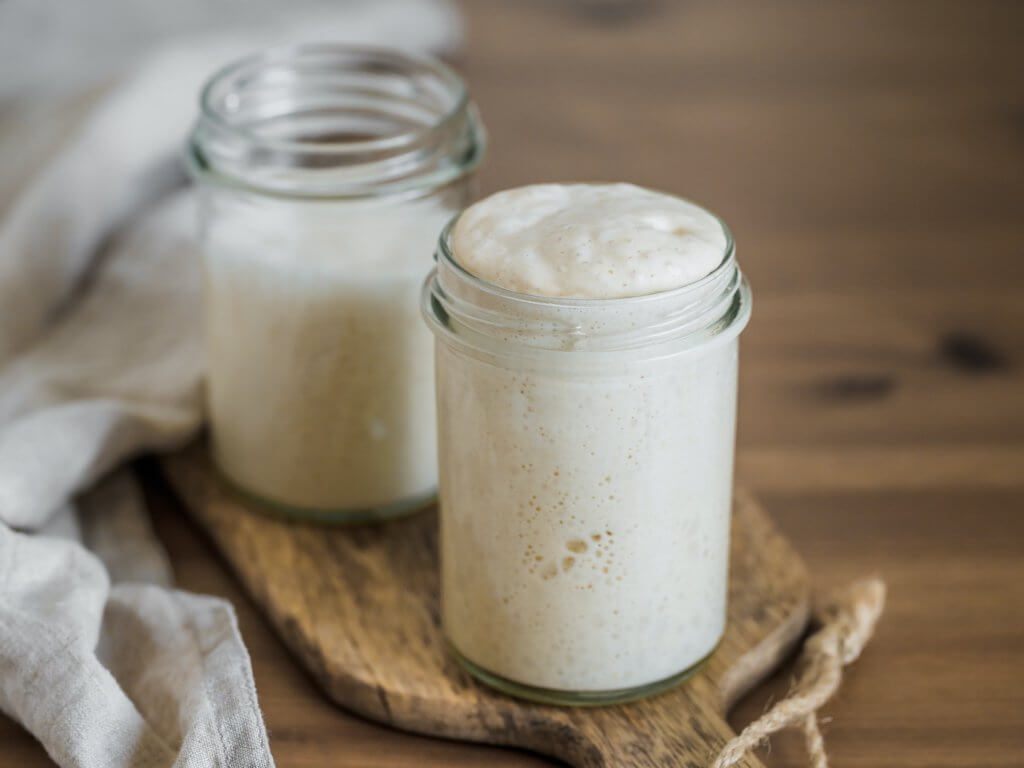
Wheat sourdough starter different hydration levels
In nutrition, “hydrating foods” refers to culinary options that serve as vital sources of water, acting as indispensable partners in maintaining optimal hydration levels within the body. These foods are more than mere sustenance; they are imbued with the essence of life itself—water. Beyond a straightforward definition, the distinctive characteristics of these moisture-rich wonders reveal the secrets behind their unparalleled hydration prowess.
Hydrating foods are characterized by their high water content, often exceeding 90% in some cases. This attribute not only contributes to their succulence but also makes them exceptional hydrators. Fruits like watermelon and oranges, with their juicy interiors, exemplify this trait, providing a refreshing and hydrating experience with every bite.
Additionally, vegetables such as cucumber and lettuce showcase a remarkable ability to retain water, enhancing both their texture and their hydration benefits. The synergy of vitamins, minerals, and antioxidants present in these foods further amplifies their overall health-promoting qualities, making them indispensable components of a balanced diet.
Examples of Hydrating Foods
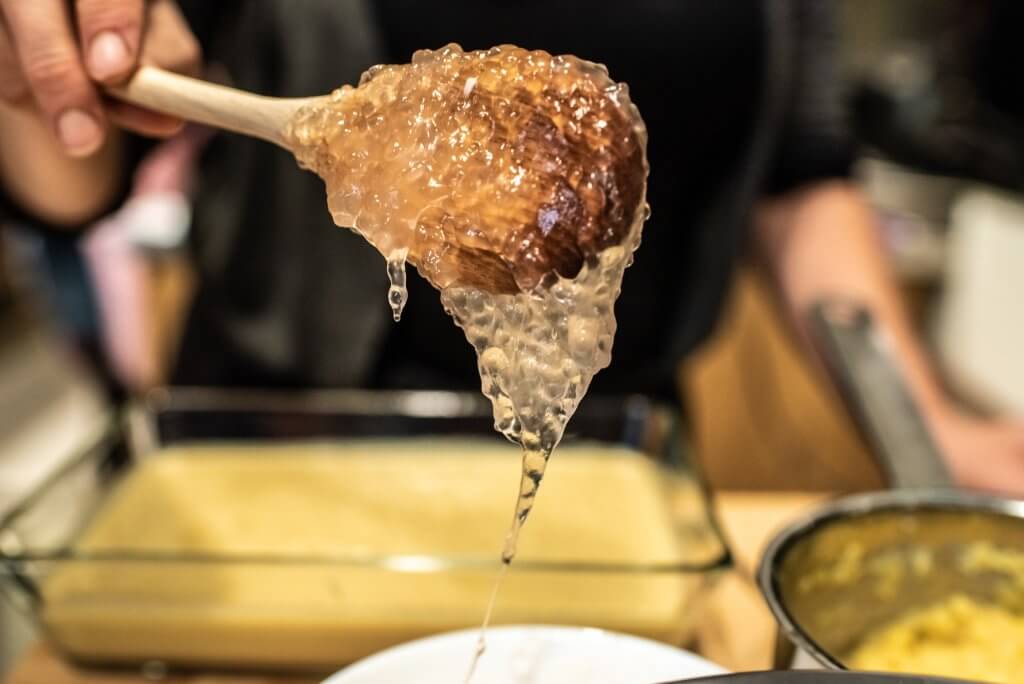
Hydrated chia seeds forming a gel
Lending into culinary practice transcends mere nourishment; it transforms your plate into a hydration haven. From the crisp crunch of hydrating vegetables to the juicy succulence of fruits, each example in this vibrant tapestry is not merely a meal but a sip towards well-being. Cucumbers, with their refreshing crunch, boast an impressive water content that contributes significantly to hydration. Meanwhile, watermelon, a quintessential summer treat, is not only delectably sweet but also replete with hydrating benefits, making it a delicious and nutritious choice.
The hydrating prowess of celery, with its high water content and fibrous nature, exemplifies how even the simplest of vegetables can be powerful allies in maintaining hydration levels. Fruits such as oranges and strawberries go beyond pleasing the palate; they provide a refreshing surge of hydration, complemented by a wealth of essential nutrients. These juicy delights not only satiate your sweet cravings but also contribute significantly to your daily fluid intake.
Oranges, with their vibrant citrus flavor, are not just a snack but a hydrating powerhouse, delivering a combination of water content and essential vitamins like vitamin C. Likewise, strawberries, with their succulent texture and natural sweetness, offer a delectable way to stay hydrated while benefiting from antioxidants and vital nutrients. Incorporating these fruits into your daily diet ensures not only a burst of flavor but also a nourishing dose of hydration for your overall well-being.
Moreover, the hydrating qualities of these foods extend beyond their raw form; incorporating them into salads, smoothies, and snacks allows for creative culinary exploration while ensuring a continuous infusion of hydration throughout the day. As you explore this diverse array of hydrating foods, you’ll not only savor their flavors but also appreciate the profound impact they can have on your overall health and well-being.
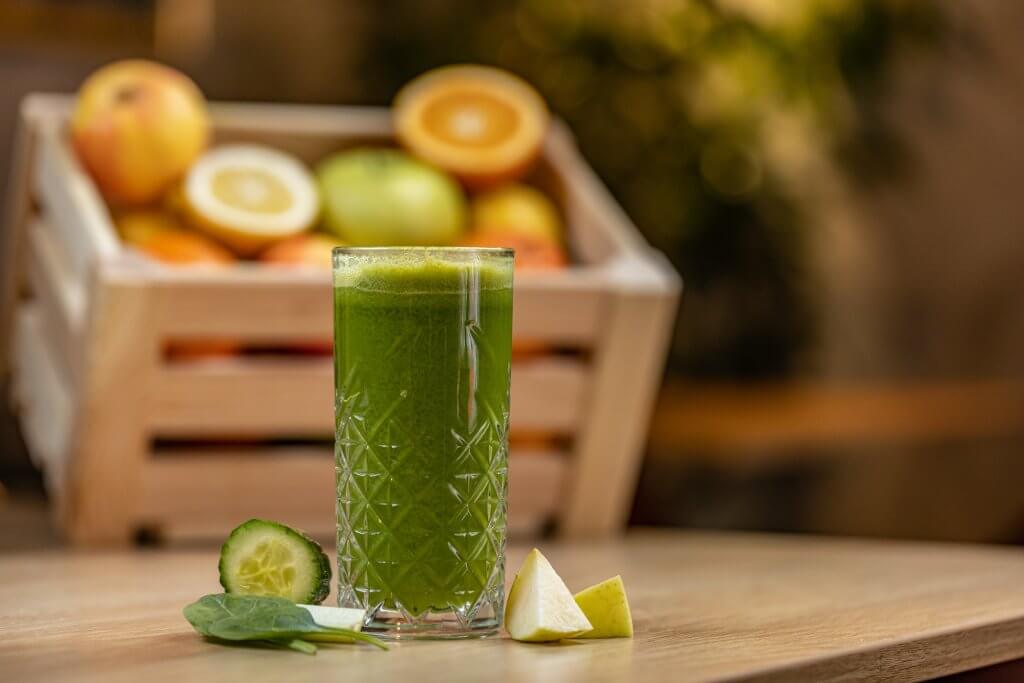
Healthy cucumber, spinach and apple juice
The Link Between Hydrating Foods and Health:
Impact on Skin Health
Your skin, as the body’s largest organ, serves as a mirror reflecting your internal health. By delving into the realm of hydrating foods, you unlock the key to a radiant complexion and the ability to combat common skin issues. The hydration derived from foods like water-rich fruits and vegetables penetrates deep into the skin layers, promoting elasticity and suppleness.
Additionally, the infusion of vitamins and antioxidants found in hydrating foods, such as vitamin A in carrots or vitamin C in citrus fruits, contributes to a vibrant and healthy skin tone. Uncover the transformative impact of hydrating foods on your skin as they work harmoniously to nourish and rejuvenate from within.
Contribution to Overall Well-being
Bottle with drinking water in female hands.
Under the surface, the influence of hydrating foods extends far beyond skin-deep benefits, playing a pivotal role in maintaining overall well-being. Dive into the myriad ways these foods positively impact your body, fostering a holistic approach to health. Hydrating foods contribute to improved digestion by aiding in the absorption of essential nutrients and promoting gut health.
The hydration they provide supports bodily functions, from regulating body temperature to lubricating joints. Moreover, the positive impact extends to cognitive function, as proper hydration is known to enhance focus and mental clarity. Embrace the profound connection between hydrating foods and your well-being, as they become integral components of a lifestyle geared towards optimal health.
IV. Tips for Balancing Hydration Routine
Integrating Hydrating Foods Into Daily Diet
Making hydrating foods an integral part of your daily meals involves thoughtful planning. Discover practical tips for seamlessly incorporating these moisture-rich wonders into your diet for sustained hydration.
Diversify Your Plate: Embrace a colorful array of hydrating fruits and vegetables to ensure a diverse range of nutrients. Incorporate water-rich foods like watermelon, cucumber, and berries to add vibrancy to your plate while maximizing hydration.
Hydration-Packed Snacks: Transform your snacks into hydrating opportunities. Choose snacks like celery sticks with peanut butter or a fruit medley to infuse your day with not only tasty bites but also a continuous supply of fluids.
Fluid-Rich Recipes: Modify your recipes to include hydrating elements. Whether it’s adding cucumber slices to your water or incorporating juicy fruits into salads, infusing meals with hydrating ingredients enhances both flavor and nutritional value.
Preparation is Key: Pre-cut hydrating fruits and vegetables for easy access. Having them readily available in your fridge makes it more likely that you’ll reach for these wholesome options when hunger strikes, effortlessly integrating them into your daily routine.
Hydration Timing
Optimal Meal Placement: Strategically place hydrating foods within your meals. Begin with hydrating fruits during breakfast or as a snack, ensuring a refreshing start to your day. Include hydrating vegetables in lunch and dinner, creating a well-rounded approach to sustained hydration throughout.
Pre- and Post-Exercise Hydration: Incorporate hydrating foods into your pre- and post-exercise routine. Consume water-rich fruits like melons or hydrating vegetables before workouts to boost hydration levels. Post-exercise, replenish with snacks like cucumber slices to aid recovery and rehydrate.
In the quest for a balanced hydration routine, these tips offer practical insights into seamlessly infusing your daily meals with hydrating foods. Remember, it’s not just about what you eat but how you strategically incorporate these hydrating wonders into your culinary habits.
V. Hydrating Foods Beyond Water
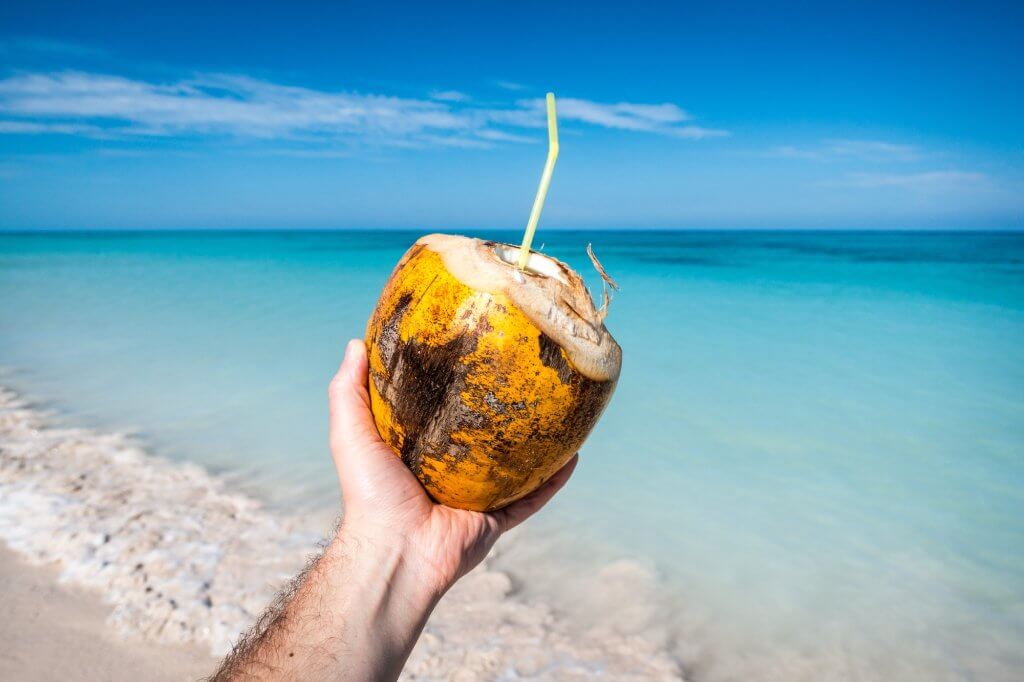
Drinking fresh young coconut on the beach
Fruits and Vegetables
While water remains a classic hydrator, the world of hydration expands with the delightful inclusion of fruits and vegetables. Dive into the refreshing world of berries, where the likes of strawberries and blueberries not only tantalize your taste buds but also contribute significantly to your daily fluid intake. Citrus fruits, such as oranges and grapefruits, bring a zesty burst of hydration along with a rich dose of vitamin C. Leafy greens like lettuce and spinach, with their high water content, offer a crisp and hydrating addition to your meals. Discover the hydrating potential of these natural wonders, transforming your perception of hydration beyond a simple glass of water.
Detox water with blood oranges
Other Hydration-Boosting Options
Venture beyond the conventional and explore a realm of unconventional yet highly effective hydration options. Herbal teas, infused with various herbs and botanicals, not only provide a soothing experience but also contribute to your overall fluid intake. Experiment with hydrating soups, where the combination of broth, vegetables, and lean proteins creates a nourishing blend that satisfies your taste buds while keeping you well-hydrated. These alternative options not only diversify your palate but also serve as creative avenues to ensure your daily fluid needs are met. Expand your hydration horizons with these unique and flavorful choices, making hydration a diverse and enjoyable part of your daily routine.
VI. Creative Hydration Recipes
Hydrating Smoothies
Opt for flavorful hydration with these delectable smoothie recipes that seamlessly blend taste and nutrition. These recipes promise a treat for your taste buds while providing a nourishing boost for your body.
Tropical Bliss Smoothie: Combine pineapple, mango, and coconut water for a taste of the tropics. This refreshing blend not only transports you to a paradise of flavors but also hydrates with the natural goodness of tropical fruits.
Berry Burst Delight: Mix a medley of strawberries, blueberries, and a splash of Greek yogurt for a berry-infused delight. Packed with antioxidants and vitamins, this smoothie is a colorful and hydrating masterpiece.
Green Goddess Elixir: Harness the power of leafy greens by blending spinach, cucumber, and kiwi. This green concoction not only satisfies your palate but also provides a hydrating boost with its high water content.
Citrus Splash Sensation: Create a zesty blend with oranges, grapefruits, and a hint of mint. This citrus-packed smoothie not only wakes up your taste buds but also hydrates with the citrus fruits’ natural water content.
Drinking fresh young coconut on the beach
Infused Water Ideas
Revolutionize your hydration routine by turning plain water into a sensory experience with these infused water ideas. Say goodbye to monotony and hello to a world of refreshing flavors that keep you hydrated throughout the day.
Cucumber Mint Refresher: Elevate your water with cucumber slices and fresh mint leaves. This combination not only adds a burst of freshness but also encourages increased water intake with its invigorating taste.
Citrus Berry Fusion: Infuse water with slices of lemon, lime, and a handful of berries. The result is a vibrant fusion that not only looks appealing but also provides a delightful mix of hydration and antioxidant goodness.
Ginger Lemon Infusion: Add a kick to your hydration routine by combining slices of ginger with lemon wedges. This invigorating infusion not only hydrates but also offers the potential benefits of ginger’s natural properties.
Watermelon Basil Bliss: Experience a burst of summer with watermelon chunks and basil leaves in your water. This sweet and herbaceous blend transforms hydration into a delightful and hydrating ritual.
Mango Tango Twist: Infuse water with the tropical allure of mango chunks and a hint of lime. This exotic twist not only transports you to a sun-kissed paradise but also keeps you hydrated with the succulence of mango.
Pineapple Basil Infusion: Combine the sweetness of pineapple with the aromatic touch of basil. This infusion not only tantalizes your taste buds but also adds a refreshing note to your hydration routine, making each sip a tropical escape.
Blueberry Lavender Elegance: Elevate your hydration experience by infusing water with blueberries and a touch of lavender. This elegant blend not only pleases your senses but also provides a unique and hydrating escape.
Strawberry Rose Symphony: Transform your water into a symphony of flavors with strawberries and a hint of rose petals. This delicate infusion not only adds a romantic touch but also keeps you refreshed with the natural sweetness of strawberries.
Incorporate these hydrating smoothies and infused water ideas into your daily routine, turning hydration into a delightful ritual. These creative recipes not only satisfy your taste buds but also ensure that your body receives the hydration it deserves, making staying hydrated a joyous and flavorful experience. Say goodbye to mundane hydration and embrace the joy of creative recipes that make staying hydrated a flavorful and enjoyable part of your daily routine.
Aloe vera and rosemary gin and tonic on white rustic table. Copy space. Dragon tail cocktail for
VII. Hydration Challenges and Solutions
Addressing Common Hydration Issues
In addition to optimal hydration, common challenges can often hinder our efforts. From forgetting to drink water to battling taste fatigue, these obstacles can be overcome with practical solutions, ensuring a consistent and effective hydration routine.
Forgetting to Drink Water:Solution: Set regular reminders on your phone or use water tracking apps to prompt you to drink water throughout the day. Consider carrying a reusable water bottle as a visual cue, making hydration more accessible and top of mind.
Taste Fatigue from Plain Water:Solution: Infuse your water with natural flavors by adding slices of citrus fruits, cucumber, or fresh herbs. Experiment with different combinations to find a refreshing mix that revitalizes your taste buds and makes hydration enjoyable.
Busy Schedule Hindrances:Solution: Integrate hydration into your routine by strategically placing water breaks during your day. Whether it’s after a meeting or before a meal, making hydration a scheduled part of your day helps overcome the challenges posed by a hectic schedule.
Lack of Variety in Hydration Sources:Solution: Diversify your hydration sources by incorporating hydrating foods and beverages beyond water. Include herbal teas, hydrating soups, and water-rich fruits and vegetables to add variety and nutritional value to your overall fluid intake.
Staying Consistent with Hydration Goals
Maintaining consistent hydration goals requires dedication and strategic planning. Discover effective strategies to make hydration an integral and sustainable part of your daily life.
Set Realistic Goals: Define achievable daily hydration goals based on your lifestyle and activity levels. Gradually increase these goals as your body adjusts, ensuring a sustainable and realistic approach to hydration.
Use Hydration Trackers: Leverage technology to your advantage by using hydration tracking apps or smart water bottles that monitor your water intake. These tools provide real-time feedback, motivating you to meet your hydration targets consistently.
Create Hydration Habits: Establish habits that support hydration, such as drinking a glass of water upon waking or keeping a water bottle at your desk. Over time, these habits become ingrained, making hydration a natural and effortless part of your daily routine.
Incorporate Hydrating Rituals: Integrate hydration into rituals, such as enjoying a cup of herbal tea in the evening or incorporating hydrating fruits into your afternoon snack. By associating hydration with pleasurable activities, you’re more likely to stay consistent with your goals.
Overcoming common hydration challenges and staying consistent with your hydration goals involves a combination of mindful strategies and intentional habits. By addressing these obstacles head-on, you pave the way for a sustained and effective approach to maintaining optimal hydration.
VIII. Hydration and Physical Activity
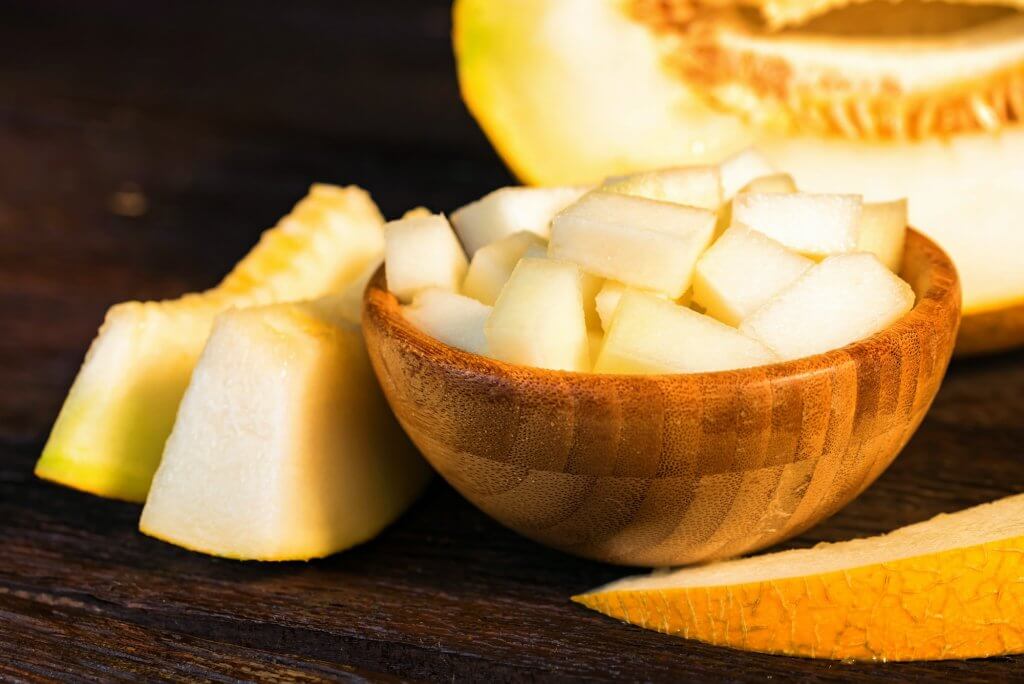
Chopped melon in a wooden bowl close
Hydration: Pre-Exercise and Post-Exercise
We know that fitness involves more than just physical exertion; proper hydration is an integral part and the chief cornerstone for optimal performance and recovery. Delve into the crucial role of hydration in your fitness regimen, understanding the practices that enhance your pre- and post-exercise hydration strategies.
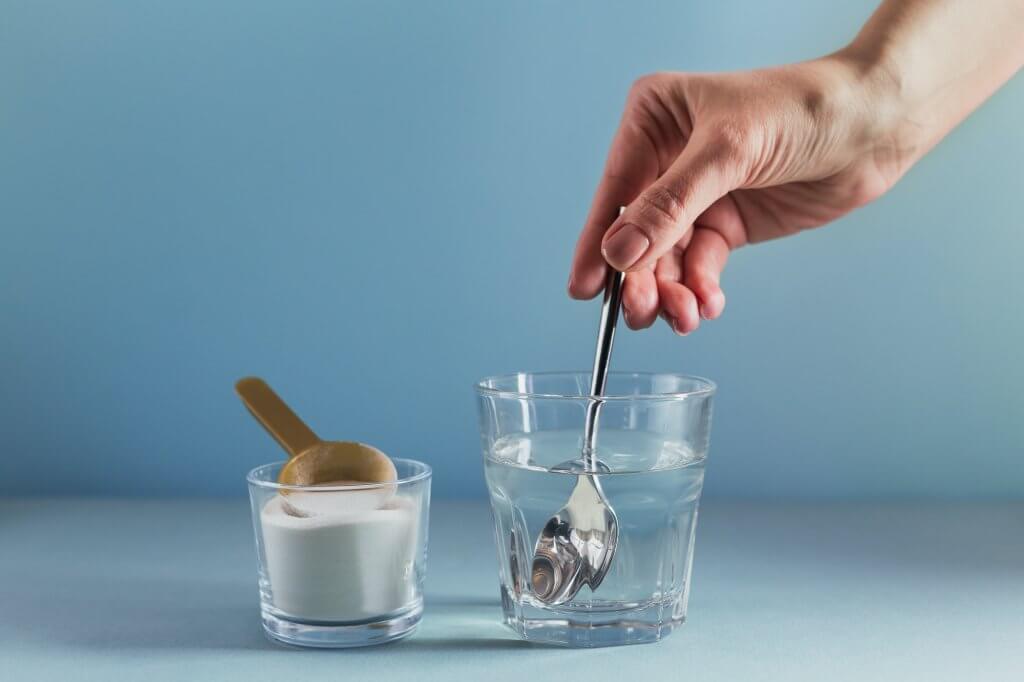
Glass with collagen dissolved in water and collagen protein powder on light blue background
Pre-Exercise Hydration
Hydrate in advance: Ensure you’re well-hydrated before starting your workout. Consume water or a hydrating beverage at least 2 hours before exercising to kickstart your body’s hydration process.
Electrolyte Balance: Include electrolyte-rich drinks or foods, especially if engaging in intense or prolonged exercise. Electrolytes play a vital role in maintaining fluid balance and preventing dehydration during workouts.
Monitor Urine Color: Keep an eye on your urine color; a pale yellow indicates good hydration. Dark urine may suggest dehydration, signaling the need for increased fluid intake before exercising.
Post-Exercise Hydration
Replenish Fluids Promptly: Hydrate soon after completing your workout to replace fluids lost through sweat. Water is excellent, and sports drinks can be beneficial if the exercise was particularly intense or prolonged, aiding in electrolyte replenishment.
Protein and Carbohydrate Intake: Include a combination of protein and carbohydrates in your post-exercise hydration and nutrition routine. This aids in muscle recovery and replenishes glycogen stores, promoting overall recovery.
Continue Hydration Throughout the Day: Don’t stop hydrating after your workout. Continue drinking water throughout the day to support recovery and maintain optimal hydration levels.
Cherry berry pattern with flowers and petals in water on pink background
Best Practices for Active Individuals
For those leading an active lifestyle, hydration becomes even more crucial. Explore best practices tailored to individuals with rigorous physical routines, ensuring that hydration enhances rather than hinders your active pursuits.
Personalized Hydration Plans: Tailor your hydration plan based on the type, intensity, and duration of your physical activities. High-intensity workouts or prolonged sessions may require more meticulous hydration strategies.
Listen to Your Body: Pay attention to your body’s signals. Thirst is a clear indication that it’s time to hydrate, but staying ahead of thirst by maintaining a consistent drinking routine is key for sustained energy during workouts.
Hydrating Snacks: Incorporate hydrating snacks into your routine, such as water-rich fruits or vegetables. This not only aids in hydration but also provides additional nutrients and energy for your active lifestyle.
Weather Considerations: Adjust your hydration plan based on environmental factors. Hot and humid conditions may necessitate increased fluid intake to compensate for higher sweat rates.
By understanding the symbiotic relationship between hydration and physical activity, you can tailor your approach to optimize performance, support recovery, and elevate your overall fitness journey. Hydration becomes not just a routine but a strategic tool for achieving your fitness goals.
IX. Myths and Facts About Hydrating Foods
Orange juice glass and collagen powder
Common Misconceptions
When nutrition is discussed, myths often circulate, leading to misconceptions about the benefits of hydrating foods. It’s crucial to separate fact from fiction to ensure a more informed approach to your health.
Myth: Only Water Hydrates Effectively:Fact: While water is a fundamental hydrator, hydrating foods like fruits and vegetables contribute significantly to overall fluid intake. These foods not only provide water content but also essential vitamins, minerals, and antioxidants crucial for holistic well-being.
Myth: All Fruits and Vegetables Have Similar Hydration Levels:Fact: The hydration levels of fruits and vegetables vary. Watermelon, cucumber, and celery, for example, have high water content, while bananas and avocados are comparatively lower. Understanding these differences allows for a more targeted approach to hydrating food choices.
Myth: Hydrating Foods Are Exclusively Fresh:Fact: Fresh produce is excellent, but hydrating foods can take various forms. Canned fruits, frozen vegetables, and even certain soups contribute to overall hydration. The key is to choose options with minimal added sugars or sodium.
Myth: All Beverages Contribute Equally to Hydration:Fact: Not all beverages hydrate equally. Water remains the gold standard, but herbal teas, infused water, and certain fruits’ juices also contribute. However, beverages high in caffeine or alcohol can have diuretic effects, potentially impacting hydration levels.
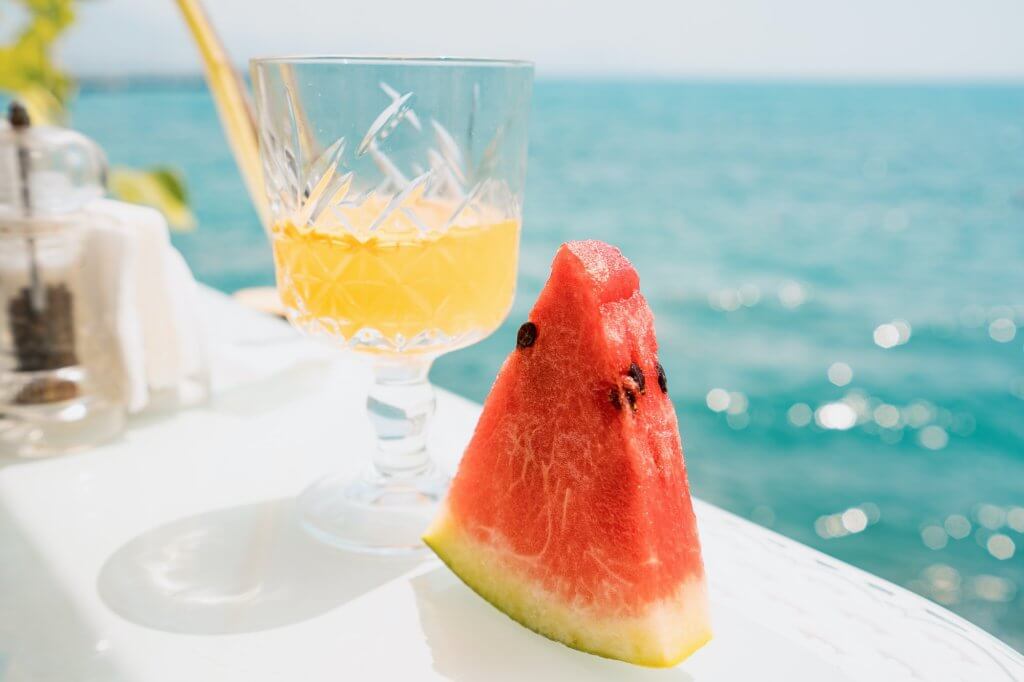
Enjoy a summer day with watermelon
Scientifically Supported Facts
To make informed dietary choices, it’s essential to explore scientifically backed facts about hydrating foods, understanding their true impact on overall health.
Fact: Hydrating Foods Enhance Water Absorption: Research indicates that consuming hydrating foods alongside water can enhance hydration. The combination of water and the natural sugars, electrolytes, and fibers in these foods promotes better water absorption in the body.
Fact: Hydrating Foods Support Skin Health: Nutrient-rich hydrating foods contribute to skin health. The vitamins and antioxidants in fruits and vegetables play a role in maintaining skin elasticity, preventing dryness, and promoting a radiant complexion.
Fact: Hydrating Foods Aid in Digestion: The water content and fiber in hydrating foods facilitate digestion. Maintaining proper hydration levels supports a healthy digestive system, prevents issues like constipation, and promotes overall gut health.
Fact: Individual Hydration Needs Vary: Hydration needs are individualized and depend on factors like age, activity level, and climate. While the “eight glasses a day” guideline is a general reference, it’s crucial to listen to your body’s signals and adjust your hydration intake accordingly.
By dispelling common myths and embracing scientifically supported facts about hydrating foods, you empower yourself to make informed choices that contribute to your overall health and well-being. Understanding the nuanced relationship between hydration and diet is key to cultivating a balanced and nourishing lifestyle.
X. Personalized Hydration Plans
Recognizing that one size does not fit all in the realm of hydration is pivotal for optimizing your well-being. Understanding how to tailor your hydration plan to your unique needs and lifestyle is a crucial step toward achieving optimal health.
Assessing Individual Factors: Consider factors such as age, weight, activity level, and climate when crafting your hydration plan. Individuals with different needs may require varying amounts of fluid intake to stay adequately hydrated.
Listening to Your Body: Pay attention to your body’s signals. Thirst is a clear indication that you need to hydrate, but factors like sweat rate during exercise, urine color, and overall well-being provide additional cues for adjusting your hydration routine.
Adjusting for Physical Activity: Those engaged in regular physical activity may need to adjust their hydration plans accordingly. Intense workouts or prolonged exercise sessions require increased fluid intake to compensate for water loss through sweat.
Considering Dietary Preferences: Hydration can also be personalized based on dietary preferences. Those who consume more hydrating foods, such as fruits and vegetables, may have different fluid requirements than individuals with alternative dietary habits.
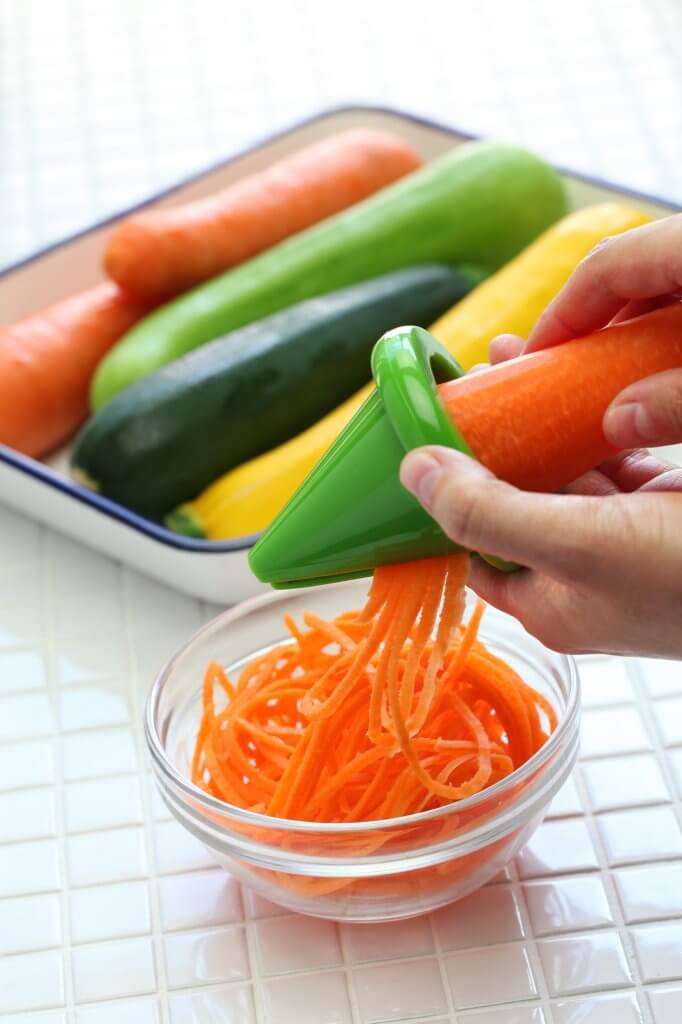
healthy diet vegetable noodles salad
Consulting with Professionals for Guidance
Nutritionists: Nutritionists specialize in tailoring dietary plans to individual needs. Seeking the expertise of a nutritionist can provide personalized recommendations on hydrating foods, fluid intake, and overall dietary habits.
Healthcare Providers: Certain medical conditions and medications can impact hydration needs. Consulting with healthcare providers, such as physicians or registered dietitians, is crucial for individuals with specific health concerns, ensuring a comprehensive and personalized approach to hydration.
Sports Nutritionists: For those with rigorous physical routines or athletes, sports nutritionists can offer specialized guidance. They can help optimize hydration strategies for training, competition, and recovery, taking into account the unique demands of athletic performance.
Integrating Professional Advice: Integrate the insights gained from professionals into your daily life. This may involve adjusting your fluid intake based on specific recommendations, incorporating hydrating foods strategically, or aligning your hydration plan with broader health goals.
Regular Check-Ins: Periodically reassess your hydration plan, especially if there are changes in your lifestyle, health status, or activity levels. Regular check-ins with professionals ensure that your hydration strategy evolves to meet your ever-changing needs.
By tailoring your hydration plan to your individual requirements and seeking guidance from professionals, you can foster a holistic approach to well-being. Personalized hydration goes beyond a general guideline, allowing you to optimize your health by aligning your fluid intake with your unique lifestyle and health considerations.
XI. Wrapping Up: The Holistic Approach to Hydration
Recap of Key Points
In our exploration of hydration, we’ve unveiled the essence of a holistic approach that extends beyond a mere count of water glasses. The key takeaways emphasize the synergy between water, hydrating foods, and mindful habits, paving the way for a comprehensive and sustainable approach to maintaining optimal hydration.
Diverse Fluid Sources: Recognize that hydration isn’t confined to water alone. Embrace a diverse range of hydrating options, including herbal teas, infused water, and hydrating foods, to nourish your body with a spectrum of essential elements.
Hydrating Foods’ Vital Role: Appreciate the vital role of hydrating foods. Fruits, vegetables, and other nutrient-rich options contribute not only water content but also essential vitamins, minerals, and antioxidants, forming a foundation for holistic well-being.
Personalization is Key: Understand that individuality matters in hydration. Tailor your approach based on factors like age, activity level, and dietary preferences. Consult with professionals to create a personalized plan that aligns with your unique needs.
Mindful Habits for Sustainability: Embrace mindful habits that support sustained hydration. From integrating hydrating foods into meals to adjusting fluid intake based on physical activity, cultivating these habits ensures that hydration becomes an inherent and long-lasting aspect of your lifestyle.
Encouraging Sustainable Hydration Habits
As we conclude this journey into the realm of holistic hydration, let’s embrace the notion that sustainable habits lead to lasting health benefits. Hydration is not a short-term goal but a lifelong commitment to nurturing our bodies with the essential elixir of life.
Consistency Over Perfection: Prioritize consistency in your hydration routine over perfection. Small, mindful changes, sustained over time, yield enduring health benefits.
Celebrate Progress: Celebrate your progress on this hydration journey. Whether it’s reaching for a hydrating snack or consistently meeting your daily water goals, each step contributes to your overall well-being.
Integrate Hydration into Your Lifestyle: Make hydration an integral part of your lifestyle. Infuse it into your daily rituals, meals, and moments of self-care, creating a harmonious relationship between hydration and your overall quality of life.
Inspire Others: Share your insights and experiences with others. Inspire those around you to adopt sustainable hydration habits, fostering a community dedicated to holistic well-being.
In the tapestry of health, hydration is a vibrant thread that weaves its way through every aspect of our lives. By embracing a holistic approach, we nourish not just our bodies but also our spirits, fostering a balanced and thriving existence. Here’s to a future filled with sustained hydration, well-being, and the limitless possibilities that flow from a body well-nourished and truly hydrated
XIII. Conclusion: Nourishing Your Body, Elevating Your Life
As we draw the curtain on our exploration of hydrating foods, let’s celebrate the revelation that hydration transcends the mere act of drinking water. By embracing the richness of hydrating foods, we not only satisfy our body’s thirst but indulge in a symphony of flavors and nutrients that elevate our vitality.
Remember, the path to optimal well-being is not a rigid regimen but a fluid journey, one where the balance of water, hydrating foods, and mindful habits intertwines seamlessly. So, go forth, savor the crispness of hydrating fruits, relish the crunch of hydrating vegetables, and let every bite be a sip towards a more vibrant, nourished you.
FAQs
Can I rely solely on hydrating foods for my daily fluid intake? *While hydrating foods are beneficial, water remains a crucial component of your daily fluid requirements. It’s best to strike a balance.
Are there hydrating foods suitable for a low-sugar diet? *Yes, options like cucumber, celery, and bell peppers are hydrating and low in sugar, making them ideal for those on a low-sugar diet.
How can I make hydrating foods more appealing to picky eaters, especially kids? *Experiment with fun presentations, like fruit skewers or vegetable sticks with tasty dips, to make hydrating foods more appealing.
Is there an ideal time to consume hydrating foods during the day? *Including hydrating foods in every meal and snack is beneficial, but having them in the morning can kickstart your hydration for the day.
Can hydrating foods help with weight management? *Yes, many hydrating foods are low in calories and high in fiber, contributing to a feeling of fullness and supporting weight management.
Are there hydrating foods that can help with post-workout recovery? *Water-rich fruits like watermelon and berries can aid in post-workout hydration and provide essential nutrients for recovery.
Do caffeinated beverages contribute to hydration? *While caffeinated beverages can contribute to overall fluid intake, water and hydrating foods should be the primary sources of hydration.
Can dehydration affect mental focus and concentration? *Yes, dehydration can impair cognitive function. Staying hydrated, including consuming hydrating foods, is essential for mental clarity.
What are some creative ways to incorporate hydrating foods into meals? *Try adding hydrating fruits to salads, blending them into smoothies, or making refreshing fruit-infused waters.
Can I overhydrate by consuming too many hydrating foods? *While it’s rare to overhydrate through food alone, it’s essential to maintain a balanced approach and not rely solely on hydrating foods.