The Secrets of Skin Elasticity decoded: Understanding the Role of Herbs and Healthy Habits for Ageless Skin
Discover the world of herbal skincare, that's also holistic. Study healthy remedies for youthful, glowing skin, from stress-relieving ginseng to collagen-boosting aloe vera.
In today’s world, maintaining the vitality and youthfulness of the skin is a clear indication of good health and wellness. To have timeless beauty and radiant skin, uncovering the secrets of skin elasticity becomes a paramount exploration. Welcome to “The Secrets of Skin Elasticity Decoded: Understanding the Role of Herbs and Healthy Habits for Ageless Skin.” In this journey, we delve into the intricate interplay of nature’s botanical wonders and mindful lifestyle choices, aiming not just for skincare but for a holistic approach that unveils the pathway to ageless, vibrant skin. Join us as we unravel the mysteries that underlie the resilience and youthful allure of the skin, embracing the profound synergy between herbs and healthy habits.
Why is skin elasticity important?
Skin elasticity allows the skin to stretch and bounce back to its original shape, contributing to its firmness and youthful look. It speaks volumes about our overall health, which is why the quest for preserving or enhancing it is never-ending. An essential player in this sphere is herbal remedies. However,
What role do herbs play in enhancing skin elasticity?
Herbs play a pivotal role in enhancing skin elasticity due to the presence of various active compounds that can boost skin elasticity and promote healthy skin aging. These natural ingredients offer a range of benefits that collectively support the skin’s resilience and firmness, fostering a more elastic and youthful appearance.
Collagen Stimulation: Many herbs, such as Aloe Vera, contain compounds that stimulate collagen production. Collagen is a crucial protein responsible for maintaining skin structure and elasticity. By promoting collagen synthesis, herbs contribute to the skin’s ability to stretch and bounce back.
Antioxidant Protection: The abundance of antioxidants in herbs, like green tea and rosehip, shields the skin from oxidative stress. Antioxidants neutralize free radicals, preventing them from causing damage to collagen and elastin fibers. This protection is instrumental in preserving skin elasticity and preventing premature aging.
Anti-Inflammatory Properties: Herbs like turmeric and chamomile possess anti-inflammatory properties that help soothe the skin. Inflammation can contribute to the breakdown of collagen and elastin, leading to a loss of elasticity. By reducing inflammation, these herbs contribute to maintaining skin suppleness.
Hydration and Moisture Retention: Certain herbs, including Aloe Vera and Lavender, are renowned for their hydrating properties. Adequate hydration is essential for skin elasticity, as it helps prevent dryness and promotes a plump, resilient complexion.
Promotion of Skin Renewal: Herbs like ginseng and marigold support skin renewal processes. By encouraging the turnover of skin cells, these herbs contribute to maintaining a fresh and youthful skin texture, positively impacting overall elasticity.
Relaxation and Stress Reduction: The soothing properties of herbs, exemplified by lavender and chamomile, play a role in promoting relaxation. Stress can contribute to premature aging and affect skin elasticity. Herbs that induce a sense of calmness contribute indirectly to maintaining healthy skin.
Natural Preservation of Skin Texture: Neem, known for its antibacterial properties, helps in preserving healthy skin texture. By preventing bacterial infections and inflammation, Neem supports the overall integrity of the skin, including its elasticity.
Incorporating these herbs into skincare routines, whether through topical applications or internal consumption, allows individuals to leverage the natural benefits of these compounds. The holistic approach of herbs addresses multiple aspects of skin health, making them valuable allies in the pursuit of enhanced skin elasticity and ageless beauty.
Understanding Skin Elasticity
To enhance skin elasticity, it is crucial to comprehend its nature and the factors influencing it. Skin elasticity refers to the skin’s inherent ability to stretch and revert to its original shape. The skin’s ability to stretch and revert to its original shape, a dynamic property crucial for its resilience, is influenced by a complex interplay of various factors.
Among these factors, collagen and elastin stand out as pivotal elements in the foundational structure of the skin. These proteins work in tandem, providing the necessary support and flexibility to maintain optimal skin elasticity. The delicate balance and interaction between collagen and elastin are essential for upholding the skin’s structural integrity and overall health.
Definition of Skin Elasticity: Skin elasticity encapsulates the remarkable capacity of the skin to stretch when subjected to external forces and promptly return to its initial form. This unique characteristic is integral to the skin’s overall resilience and appearance.
Influence of Collagen and Elastin: Collagen and elastin, both indispensable proteins, serve as the building blocks of the skin’s structural matrix. Collagen provides tensile strength, ensuring the skin’s firmness, while elastin imparts flexibility, allowing the skin to recoil after stretching. The delicate balance between these proteins is vital for maintaining optimal skin elasticity.
Factors Shaping Skin Elasticity: The strength and resilience of our skin are under constant onslaught by various external and internal factors, as highlighted here. These factors negatively impact the skin’s elasticity, leading to sagging and wrinkles. As we explore the secrets of skin elasticity, we’ll unravel the impact of these proteins and how lifestyle choices contribute to ageless skin. Skin elasticity is intricately influenced by an array of factors, including, but not limited to:
Age: The natural aging process involves a decline in collagen and elastin production, resulting in diminished skin elasticity.
Sun Exposure: Ultraviolet (UV) rays from the sun can accelerate the breakdown of collagen and elastin fibers, negatively impacting skin elasticity.
Lifestyle Habits: Factors like smoking, poor diet, and inadequate hydration contribute to the degradation of skin elasticity over time.
Genetics: Individual genetic predispositions play a role in determining the inherent quality of skin elasticity.
Collagen and Elastin Dynamics: Collagen, resembling a sturdy scaffold, provides the foundational support necessary for the skin’s firmness. Elastin, on the other hand, acts like a resilient rubber band, allowing the skin to stretch and contract without losing its structural integrity.
In essence, a comprehensive understanding of skin elasticity involves recognizing the intricate harmony between collagen, elastin, and external factors. Nurturing and preserving skin elasticity require a holistic approach that addresses both intrinsic and extrinsic elements. As we delve deeper into the dynamics of skin health, we uncover the secrets to maintaining not only the skin’s suppleness but also its enduring beauty.
Role of Herbs in Skin Care
Herbs are nature’s gift for skin care and have been used for centuries in traditional medicine. From aloe vera to ginseng, certain herbs possess qualities that promote skin elasticity. They contain antioxidants, anti-inflammatory, and anti-aging properties that can help maintain the skin’s elasticity and overall health. Moreover, they are natural and tend not to cause harmful side effects, thus marking them as a safe route for skin care. We’ll explore the herbal treasures that contribute to radiant and resilient skin, complementing our discussion on healthy habits.
Top Herbs that Enhance Skin Elasticity
The world of botanical, skin-boosting herbs is expansive, but let’s narrow it down to our top selections known for their skin-elasticity-enhancing properties:
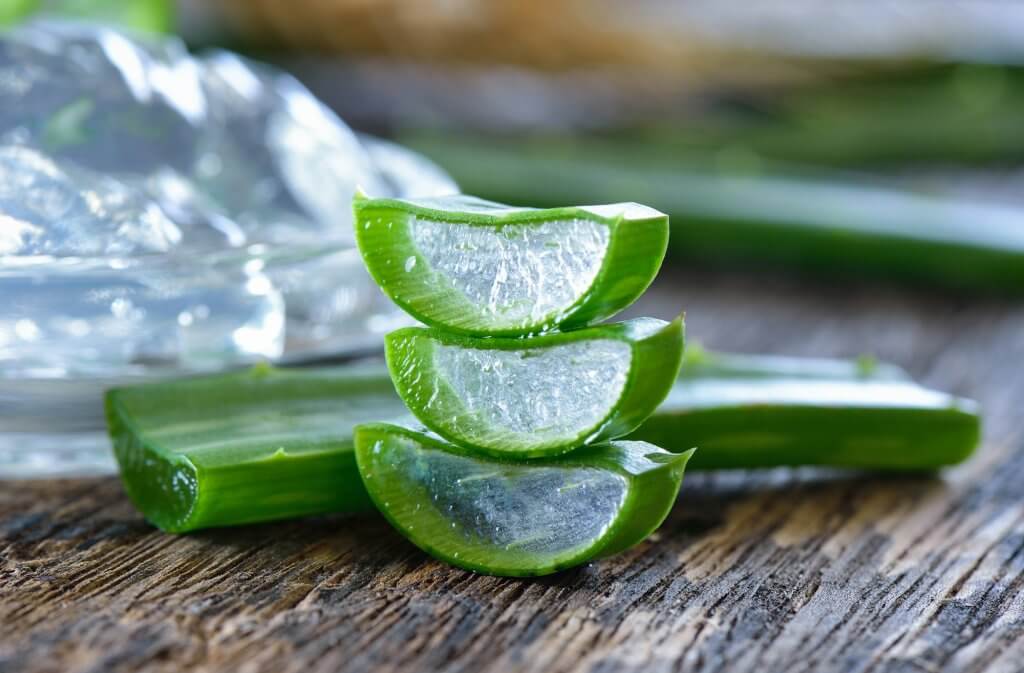
aloe vera on wooden
Aloe Vera
Benefits: Aloe vera is a hydration powerhouse, known for its ability to soothe and moisturize the skin. It stimulates collagen production, which is crucial for maintaining the skin’s elasticity.
Application: Extract the gel from the aloe vera plant and apply it directly to the skin, or look for skincare products containing aloe vera.
Green Tea
Benefits: Green tea is rich in antioxidants, particularly catechins, which combat oxidative stress. By preventing free radical damage, green tea helps prevent premature aging and maintain skin elasticity.
Application: Brew green tea and apply it topically, or look for skincare products containing green tea extract.
Ginseng
Benefits: Ginseng is recognized as an adaptogen, helping the skin adapt to stressors. It enhances the skin’s resilience against environmental stress, supports healthy skin aging, and preserves elasticity.
Application: Ginseng can be found in various skincare formulations, including creams, serums, or masks.
Rosehip
Benefits: Rosehip is rich in vitamin C and fatty acids, promoting skin regeneration and rejuvenation. It aids in reducing the signs of aging and helps combat elasticity loss.
Application: Rosehip oil is a popular choice for topical application. It can be applied directly to the skin or found in skincare products.
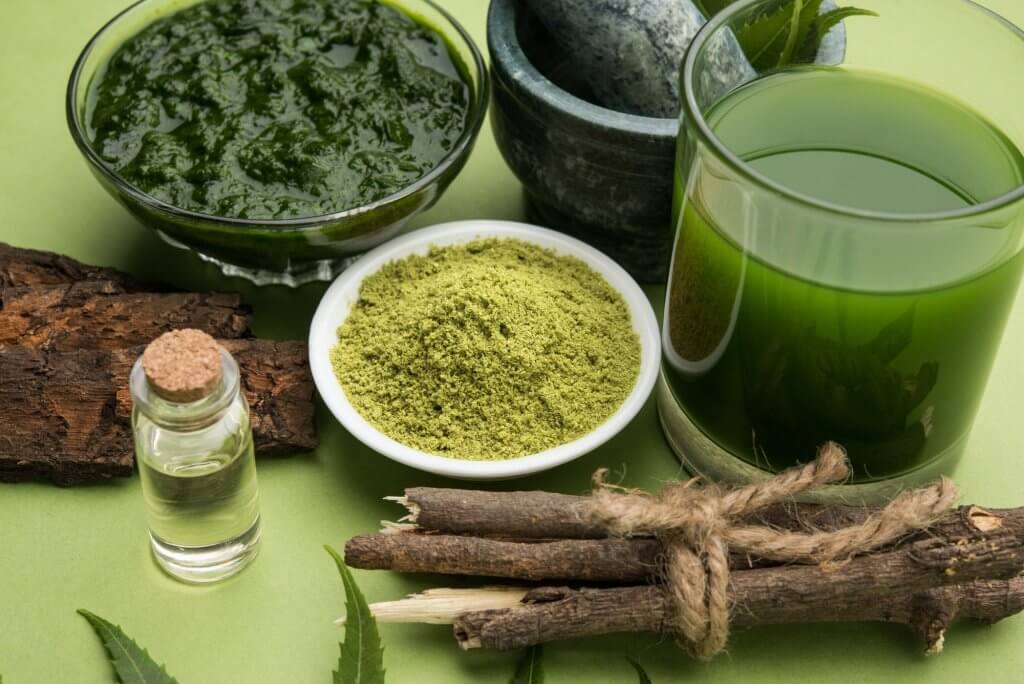
Neem
Benefits: Neem possesses antibacterial and anti-inflammatory properties, promoting overall skin health. It helps in maintaining healthy skin texture and elasticity.
Application: Neem oil or neem-infused skincare products are commonly used for topical application.
Chamomile
Benefits: Chamomile is known for its soothing properties, helping to relax the skin. It contributes to improving elasticity and radiance.
Application: Chamomile tea can be used topically or found in skincare products such as toners or creams.
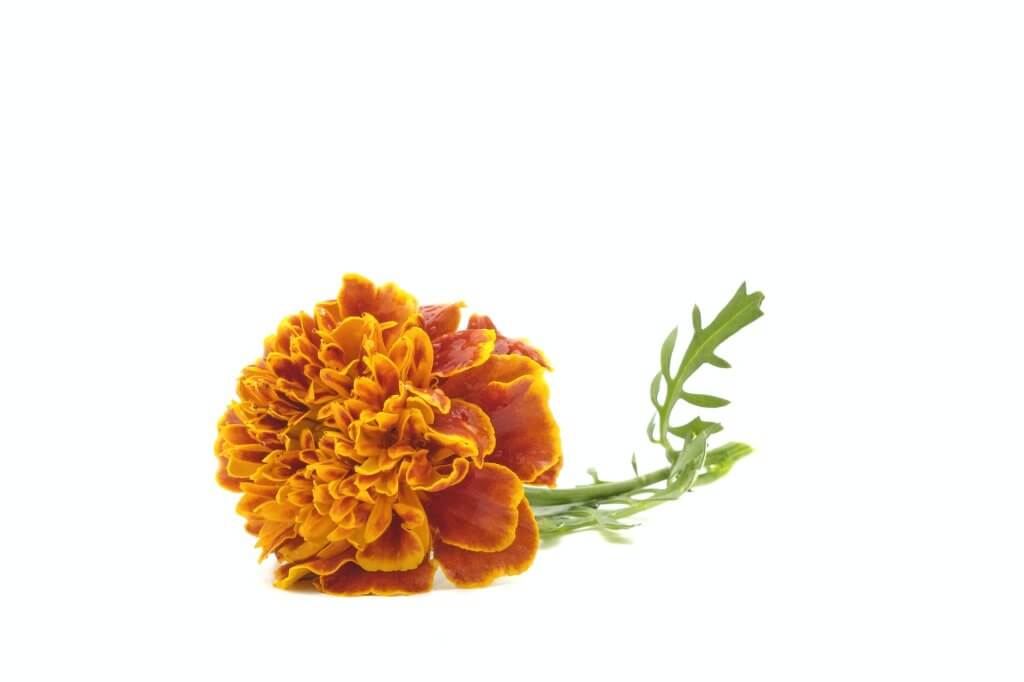
Marigold
Benefits: Marigold stimulates collagen production, contributing to the skin’s elasticity. It is particularly effective in preventing premature skin aging.
Application: Marigold extract or marigold-infused oils are commonly used in skincare products.
Turmeric
Benefits: Turmeric is renowned for its antioxidant and anti-inflammatory properties, which promote overall skin health. It aids in maintaining elasticity and addressing various skin concerns.
Application: Turmeric can be applied topically as a paste or found in skincare products such as masks or serums.
Lavender
Benefits: Lavender promotes relaxation and helps maintain skin elasticity and vibrancy. It also has soothing properties that are beneficial for overall skin health.
Application: Lavender essential oil is commonly used in aromatherapy or diluted in carrier oils for topical application.
Sea Buckthorn
Benefits: Sea Buckthorn is rich in vitamins, minerals, and antioxidants. It promotes skin hydration, supports collagen production, and helps in maintaining skin elasticity. Its high content of omega-3 fatty acids contributes to overall skin health.
Application: Seabuckthorn oil can be applied topically to the skin. Look for skincare products containing seabuckthorn extract for added benefits.
Incorporating these herbs into your skincare routine allows you to harness their unique benefits for promoting skin elasticity and maintaining a healthy, youthful complexion. Whether used individually or in combination, these natural ingredients offer a holistic approach to skincare.
Marigold on White
How to Utilize these Herbs for Maximum Benefit
To maximize the benefits of these skin-boosting herbs, explore various application methods tailored to your preferences and skincare needs in the form of face creams, lotions, toners, or herbal teas. However, everyone’s skin is different. Therefore, testing these herbs on a small skin patch first may prevent possible adverse reactions. Here are some effective ways to incorporate these herbs into your routine:
Face Creams and Lotions
Application: Look for skincare products, such as face creams or lotions, that feature these herbs as key ingredients. Apply these creams after cleansing as part of your daily skincare regimen.
Toners
Application: Choose toners infused with herbal extracts. Apply the toner using a cotton pad after cleansing to prep your skin for subsequent skincare steps.
Herbal Teas
Application: Consume herbal teas made from these beneficial herbs. This internal approach can complement external skincare efforts, providing your skin with nourishment from the inside out.
Topical Oils
Application: Opt for pure herbal oils, such as rosehip or neem oil, for direct application to the skin. These oils can be gently massaged into the face or specific areas requiring attention.
DIY Face Masks
Application: Create homemade face masks by blending these herbs in powdered form or as extracts. Combine them with other natural ingredients, like honey or yogurt, for a rejuvenating mask.
Herbal Infusions
Application: Prepare herbal infusions by steeping herbs like chamomile or green tea in hot water. Allow the infusion to cool and apply it to the skin using a cotton ball.
Herbal Baths
Application: Enhance your bath experience by infusing it with herbs like lavender or chamomile. This not only benefits your skin but also provides a relaxing aromatherapy session.
Considerations for Individual Skin Sensitivity:
While these herbs offer numerous benefits, it’s essential to recognize that everyone’s skin reacts differently. To prevent potential adverse reactions, especially if you have sensitive skin, consider the following precautions:
Patch Testing
Recommendation: Before widespread use, conduct a patch test by applying a small amount of the herb or product to a discreet skin area. Monitor for any signs of irritation or allergy.
Consultation with a Dermatologist
Recommendation: If you have existing skin conditions or concerns, seek advice from a dermatologist before incorporating new herbs into your skincare routine. Their expertise can guide you in making informed choices.
By customizing the application of these herbs based on your skin type and preferences, you can unlock their full potential and experience their rejuvenating effects on your skin.
Potential Side Effects of these Herbs
Despite their natural origins, herbs may elicit allergic reactions in certain individuals. It’s crucial to be aware of potential side effects to ensure a safe skincare experience. Common side effects may include:
Skin Irritation
Description: Some individuals may experience skin irritation, characterized by itching, redness, or a burning sensation.
Caution: If irritation occurs, discontinue use and seek alternative skincare options.
Redness
Description: Redness of the skin may occur, especially in individuals with sensitive skin or those prone to skin reactions.
Caution: Monitor the skin’s reaction and cease use if redness persists or intensifies.
Swelling
Description: Swelling, although less common, may occur in response to an allergic reaction or sensitivity to specific herbal compounds.
Caution: If swelling occurs, refrain from further use and consult with a healthcare professional if needed.
Recommendation: Prior to widespread use, conduct a patch test by applying a small amount of the herbal product to a small area. This helps identify potential allergic reactions before full application.
Observe for sensitivity
Recommendation: Pay attention to any signs of sensitivity during initial use, especially if you have a history of skin allergies.
Discontinue Use if Adverse Reactions Occur
Caution: If any adverse reactions, such as persistent irritation, redness, or swelling, manifest, discontinue use immediately.
Follow the product instructions.
Caution: Always read and adhere to the product’s instructions provided by the manufacturer. This ensures proper application and minimizes the risk of adverse effects.
Consult a dermatologist
Recommendation: If you have concerns about potential side effects or have a history of skin sensitivities, consult with a dermatologist before incorporating new herbal products into your skincare routine.
Remember, while herbs offer numerous benefits, individual responses can vary. Being attentive to your skin’s reactions and taking precautionary measures will contribute to a positive and safe herbal skincare experience.
Ayurvedic Neem Or Azadirachta Indica and it’s by-products
Precautions and Recommendations
Before integrating these herbs into your skincare routine, it might be helpful to consult a dermatologist, especially if you have existing skin conditions. In addition to herbs, there are tips for aging-less skin care that are revealed here:
10 Special Tips for Ageless Skin
Achieving ageless skin goes beyond topical treatments; it requires a comprehensive lifestyle approach. Here are 10 special tips to guide you on the path to timeless skin:
Hydration and its Impact on Skin Elasticity: Explore the correlation between adequate hydration and skin resilience.
Sun Protection for Collagen Preservation: Understand how sun protection safeguards collagen and prevents premature aging.
Smoking Cessation for Improved Skin Health: Delve into the detrimental effects of smoking on skin elasticity and overall health.
The Role of Genetics in Skincare: Recognize the influence of genetics on skin characteristics and learn to work with your unique traits.
Collagen-Boosting Diet: Discover dietary choices that promote collagen production for firm and supple skin.
Elastin-Rich Foods for Enhanced Skin Elasticity: Identify foods that support elastin production, contributing to improved skin flexibility.
UV Damage Prevention and Repair: Learn effective strategies for preventing and repairing skin damage caused by UV rays.
Exercise and its Positive Effects on Skin Health: Explore the connection between regular exercise and improved skin conditions.
Balancing Diet for Optimal Skin Nutrition: Understand the importance of a well-balanced diet in providing essential nutrients for skin health.
Using Herbal Remedies for Skincare: Uncover the benefits of incorporating herbal remedies into your skincare routine for a natural and holistic approach.
Conclusion
Boosting skin elasticity naturally comes down to understanding the broad array of herbs available and their benefits for skin health. They offer a safe, effective, and healthy way to maintain the skin’s youthful look and vitality.
FAQs
Can herbs really enhance skin elasticity? Yes, several herbs possess properties known to promote collagen production and reduce inflammation, which are crucial to maintaining skin elasticity.
Are these herbs suitable for all skin types? Most herbs are gentle on the skin and suitable for various skin types. However, it’s always best to do a patch test first.
Can I use all these herbs at once? No, it’s advisable to introduce one herb at a time into your skincare routine to monitor how your skin reacts.
Are there any herbs that may cause skin irritation? Yes, some people might have allergic reactions to certain herbs, leading to skin irritation. It’s important to test a small patch first.
Where can I find these herbs? These herbs in various forms can be found in health stores, supermarkets, or online.