Plant-Based Smoothies: 7 Top Mistakes to Avoid When Making Them
By understanding these common pitfalls and learning the best practices, you can create delicious and nutritious smoothies that enhance your plant-based diet.
Starting your day with a nutrient-packed, plant-based smoothie can set the tone for healthier eating habits. However, it’s easy to fall into common traps that decrease their nutritional value or compromise taste. From overloading on fruit, which spikes sugar content, to neglecting essential veggies and protein, small mistakes can make a big difference.
This post guides you through the frequent missteps, ensuring your smoothies are both delicious and nourishing. Let’s explore what to avoid so you can blend your way to better health effortlessly.
Plant-based smoothies are a tasty and nutritious way to start your day. However, packing them with too many fruits can lead to an overload of sugar, defeating the purpose of a healthy snack or meal. While fruits are rich in vitamins, minerals, and fiber, they can also be high in natural sugars, which can spike your energy levels and cause crashes.
Balancing Fruit and Vegetables
It’s essential to strike a balance between fruits and vegetables in your plant-based smoothies. Adding vegetables not only balances out the sweetness but also increases the nutritional value.
Vegetables like spinach, kale, and broccoli are excellent choices. They add vital nutrients like fiber, vitamins, and antioxidants without the extra sugar. Think of your smoothie as a salad in a glass. You wouldn’t make a salad with just fruits, right? Similarly, your smoothie should be a mix of healthy greens and fruits.
Here are some benefits of adding vegetables to your smoothie:
Boosts fiber intake: Helps with digestion and keeps you full longer.
Reduces sugar spikes: Balances the natural sugars from fruits.
Enhances nutrient variety: Provides a wider range of vitamins and minerals.
Grapefruit: Roughly 9 grams of sugar per half fruit.
Incorporating these fruits can keep your sugar intake in check while still enjoying a flavorful smoothie. For more low-sugar smoothie recipes, visit Samantha Cassetty’s low-sugar smoothies.
Remember, moderation is key. By combining fruits with low-sugar content and nutrient-rich vegetables, you can create balanced, healthy smoothies that nourish your body without the unnecessary sugar highs and lows.
2. Ignoring Protein Needs In Plant-Based Smoothies
Adding enough protein to your plant-based smoothies is crucial. It helps keep you full and fuels your muscles, especially if you enjoy exercising. Many people forget about this important part of their smoothie. Let’s look at some easy ways to make sure you get enough protein in your drink.
Plant-Based Protein Sources
There are many ways to add plant-based protein to your smoothies. Here are some top choices:
Nuts
Almonds
Peanuts
Cashews
All these nuts are great sources of protein. Plus, they add a crunchy texture to your smoothie.
Seeds
Chia Seeds
Hemp Seeds
Flaxseeds
These small seeds pack a punch. Just a spoonful can add significant protein and healthy fats.
Protein Powders
Pea Protein
Hemp Protein
Brown Rice Protein
Protein powders are convenient and easy to use. They mix well and provide a quick protein boost.
For more ideas on how to add protein to your plant-based smoothies, check out this helpful guide.
While protein powders are a good option, it’s important not to overdo it. Relying too much on them can lead to problems.
Digestive Issues
Too much protein powder can cause bloating, gas, and cramping. It’s best to balance your intake with whole food sources of protein.
Nutrient Imbalance
Protein powders often lack the fiber, vitamins, and minerals found in natural foods. Using them too often means you might miss out on these important nutrients.
Kidney and Liver Health
Excessive protein can strain your kidneys and liver. These organs work hard to process protein, so too much can cause damage over time. For more information on the drawbacks of consuming too much protein powder, take a look at this detailed article.
Remember, balance is key. By mixing different protein sources into your smoothies, you can enjoy a delicious, nutritious, and well-rounded drink!
Continue reading to learn more about creating the perfect plant-based smoothie.
3. Lack of Healthy Fats
In the quest for the perfect, nutrient-packed smoothie, healthy fats often get overlooked. But these fats are essential for overall health and can significantly enhance your smoothies. They help absorb fat-soluble vitamins, provide sustained energy, and keep you full longer.
Sources of Healthy Fats
Incorporating healthy fats into your smoothies is easy with a variety of sources. Here are some excellent choices:
While adding healthy fats is important, it’s crucial not to go overboard. Here are some tips to balance the fat content without overwhelming your smoothie.
Start Small: Begin with a small amount, such as a quarter of an avocado or a tablespoon of chia seeds. You can increase the amount based on your taste and nutritional needs.
Mix and Match: Use a combination of fat sources to get a variety of nutrients. For example, pair avocado with a spoonful of flaxseeds.
Mind the Calories: Remember that fats are calorie-dense. Adding too much can increase the calorie content of your smoothie significantly. Aim for about one to two tablespoons of fat sources per smoothie.
Flavor Balance: Some fats like coconut oil can have a strong flavor. Ensure it complements the other ingredients in your smoothie.
By balancing the fats in your plant-based smoothies, you ensure you get the benefits without turning it into a calorie bomb. For more on making a balanced smoothie, check out this guide to building a better smoothie.
Remember, the right fats can transform your smoothie into a more satisfying and nutrient-dense meal or snack. Keep it balanced and enjoy the creamy, delicious benefits!
4. Overuse of Sweeteners
Many people add sweeteners to their plant-based smoothies to enhance the taste. However, using too much can turn a healthy drink into a sugary treat that can have negative health consequences.
Natural vs. Artificial Sweeteners
When we talk about sweeteners, we generally categorize them as natural or artificial. Natural sweeteners come from plants and other natural sources, while artificial sweeteners are chemically synthesized. Each has its own impact on health.
Natural Sweeteners: Examples include honey, maple syrup, and agave nectar. These sweeteners generally provide more than just sweetness. For instance, honey contains antioxidants and has antibacterial properties. However, they still add sugar to your diet. Overusing natural sweeteners can lead to weight gain and blood sugar spikes.
Artificial Sweeteners: These include aspartame, sucralose, and saccharin. They are often much sweeter than sugar, so you use less of them. However, there’s ongoing debate about their safety. Some studies suggest they might disrupt metabolic health and insulin sensitivity.
By understanding these differences, you can make better choices about what to add to your smoothie.
Sweetening Alternatives
If you’re looking to cut down on sugar but still want your smoothie to taste good, consider these healthier alternatives.
Dates: These natural sweeteners are packed with fiber, which helps to moderate their sugar content’s effect on your blood sugar levels. Dates also provide potassium, magnesium, and antioxidants.
Date in a bowl
Honey: While it’s still high in sugar, honey has additional benefits compared to refined sugars. It contains antioxidants and has anti-inflammatory properties. Using a small amount can provide a natural sweetness without heavily impacting your blood sugar levels.
Stevia: This is a plant-based sweetener that contains zero calories. It’s much sweeter than sugar, so you need less of it, making it a popular choice for those looking to reduce calorie intake.
Monk Fruit Sweetener: Made from the monk fruit, this sweetener also has zero calories and doesn’t impact blood sugar levels. It is a great alternative for those aiming to reduce their sugar consumption.
Fruits: Many fruits, like bananas, strawberries, and peaches, are naturally sweet and can enhance the flavor of your smoothies without needing additional sweeteners. Using fruits as a sweetener can also boost the nutritional content of your drink.
By opting for these alternatives, you can maintain the sweetness you love while keeping your plant-based smoothies nutritious and balanced. Remember, less is more when it comes to sweeteners. A little bit goes a long way in making your plant-based smoothie delicious and healthy.
5. Skipping Fiber-Rich Ingredients
Fiber is an essential part of a balanced diet, and smoothies are no exception. Skipping fiber-rich ingredients in your plant-based smoothies can impact their nutritional value and your digestive health.
High-Fiber Ingredients
Including high-fiber ingredients in your plant-based smoothies can make a big difference in your overall health. Here are some fantastic options:
Oats: Rich in soluble fiber, oats help lower cholesterol and keep your heart healthy.
Chia Seeds: These tiny seeds are packed with fiber, omega-3 fatty acids, and protein.
Leafy Greens: Spinach, kale, and other greens are low in calories but high in fiber, vitamins, and minerals.
Adding these ingredients to your smoothies ensures you get the necessary fiber to support your digestive health and keep you feeling full longer.
Fiber plays a critical role in maintaining good health, and its benefits are vast.
Promotes Digestion: Fiber helps keep your digestive system running smoothly by preventing constipation and promoting regular bowel movements.
Keeps You Full: Foods rich in fiber tend to keep you feeling fuller for longer periods, reducing the chances of overeating and aiding in weight management. Learn more about fiber and satiety here.
Regulates Blood Sugar: Soluble fiber in foods like oats and chia seeds can help slow down the absorption of sugar, reducing blood sugar spikes and lowering the risk of type 2 diabetes.
Supports Heart Health: A diet high in fiber can lower cholesterol levels, which is beneficial for heart health.
By incorporating fiber-rich ingredients in your plant-based smoothies, you not only enhance their nutritional value but also support your overall health. Remember, a smoothie with ample fiber is like giving your body a helping hand towards better digestion and sustained energy. Don’t miss out on these incredible benefits by skipping out on fiber!
6. Not Washing Fresh Ingredients
Washing fruits and vegetables before using them in your smoothies isn’t just about getting rid of dirt. It’s about avoiding harmful bacteria and pesticides that can make you sick. A quick rinse under tap water goes a long way in ensuring your smoothie is safe and nutritious.
Proper Washing Techniques
To make sure your fruits and veggies are clean, follow these tips:
Use Cold Water: Rinse your produce under cold running water. This helps wash away dirt and bacteria without soaking the produce, which can lead to nutrient loss.
Soak Greens: For leafy greens, soak them in a bowl of cold water. Swirl them around gently to dislodge dirt, then rinse under running water.
Scrubbing: For firm fruits and vegetables like apples, carrots, and cucumbers, use a clean vegetable brush to scrub the surface. This helps remove any stubborn dirt or pesticide residue. Photo by Greta Hoffman
Drying: After washing, dry the produce with a clean cloth or paper towel. This further removes any bacteria or dirt left behind.
Choosing between organic and non-organic produce can be tricky. Here’s a quick look at the benefits of using organic produce in your smoothies:
Less Pesticide Residue: Organic produce is grown without synthetic pesticides. This means you’re less likely to consume harmful chemicals.
Nutrient Content: Some studies suggest that organic fruits and vegetables may have higher nutrient levels compared to non-organic ones.
Environmental Impact: Organic farming practices are generally better for the environment. They promote soil health, reduce pollution, and conserve water.
However, organic produce can be more expensive. If cost is a concern, consider buying organic for the “Dirty Dozen,” a list of produce with the highest pesticide residues. For more insights, visit this guide on washing produce.
Washing your fruits and vegetables properly, whether they are organic or not, ensures you get the best nutrition while keeping harmful substances at bay. Always remember, a small step like washing can make a big impact on your health.
7. Using Too Much Liquid
When making plant-based smoothies, one common mistake is using too much liquid. This can turn a delicious, nutrient-packed drink into a watery mess with diluted flavors and nutrients. Let’s dive into the ideal liquid amounts and the best liquid bases to use.
Optimal Liquid Amount
Finding the right amount of liquid for your smoothie is crucial. Too much can make your smoothie thin and tasteless, while too little can leave it thick and difficult to blend. Here are some guidelines for different types of smoothies:
Classic Smoothie: For a standard fruit and veggie smoothie, start with about 1 cup (240 ml) of liquid. You can add more if needed, but do it incrementally.
Thick Smoothie: If you prefer a thicker, more milkshake-like consistency, use around 1/2 to 3/4 cup (120-180 ml) of liquid. This is perfect for smoothie bowls.
Protein Smoothie: When adding protein powders, you’ll need more liquid to blend well. Start with 1 to 1 1/2 cups (240-360 ml) and adjust based on the powder’s thickness.
Remember, it’s easier to add more liquid if needed than to remove excess.
Best Liquid Bases
Choosing the right liquid base is essential for the taste and nutritional value of your smoothie. Here are some options to consider:
Almond Milk: A popular choice, almond milk is low in calories and has a mild, slightly nutty flavor. It’s also a good source of vitamin E.
Coconut Water: Refreshing and hydrating, coconut water is packed with electrolytes. It’s a fantastic option for post-workout smoothies.
Green Tea: For a subtle flavor boost and extra antioxidants, green tea can be a great liquid base. Brew it and let it cool before adding it to your smoothie.
Oat Milk: This is a creamy, dairy-free alternative that’s high in fiber. It’s perfect for making your smoothie more filling and satisfying.
Soy Milk: If you’re looking for a higher protein content, soy milk is a good choice. It’s also rich in essential amino acids.
Each of these liquid bases brings its own unique benefits and flavors, allowing you to customize your smoothie to your nutritional needs and taste preferences.
For more on common smoothie-making mistakes, check out this article. Remember, balance is the key to a perfect plant-based smoothie.
Conclusion
Making a nutritious and delicious plant-based smoothie isn’t hard, but it requires a bit of mindfulness. Avoid common mistakes like overloading on fruits, skipping essential veggies, or neglecting protein and healthy fats. Remember to keep an eye on the sugar content, balance the liquid amount, and always wash your fresh ingredients.
By being aware of these pitfalls, you can craft smoothies that are both tasty and packed with nutrients. Keep experimenting and enjoying the process of making your perfect plant-based smoothie!
FAQs
What are the most common mistakes people make with plant-based smoothies? Common mistakes include using too much fruit, not enough greens, skipping protein, and adding too many sweeteners.
Why is it important to balance fruit and greens in a smoothie? Balancing fruit and greens ensures that you get essential vitamins, minerals, and fiber without consuming too much sugar.
How can I add protein to my plant-based smoothie? Add protein sources like plant-based protein powder, chia seeds, hemp seeds, nut butter, or tofu.
What are good liquid bases for plant-based smoothies? Good liquid bases include almond milk, coconut water, oat milk, and soy milk.
How can I avoid making my smoothie too sweet? Use low-sugar fruits, add vegetables, and limit or avoid added sweeteners like honey, agave, or maple syrup.
What can I do if my smoothie is too thick? Add more liquid (water or plant-based milk) gradually until you reach the desired consistency.
Is it necessary to use organic ingredients in plant-based smoothies? While not necessary, using organic ingredients can reduce exposure to pesticides and other chemicals.
Can I prep smoothie ingredients ahead of time? Yes, you can prep ingredients and store them in the freezer to save time. Just blend when you’re ready to enjoy your smoothie.
What are the benefits of adding healthy fats to a smoothie? Healthy fats from avocado, nuts, seeds, or coconut oil can improve satiety, nutrient absorption, and overall smoothie texture.
How do I ensure my smoothie has enough fiber? Include high-fiber ingredients like leafy greens, flax seeds, chia seeds, and fruits with skin on, like apples and pears.
What are some common mistakes when blending smoothies? Not blending long enough, overfilling the blender, and not layering ingredients correctly can lead to uneven texture and blending issues.
How can I avoid a bland-tasting smoothie? Enhance flavors with natural ingredients like fresh herbs (mint, basil), spices (cinnamon, ginger), and citrus juice.
Why is it important to include a variety of ingredients in smoothies? Variety ensures a wide range of nutrients, prevents dietary boredom, and enhances the overall nutritional profile of your smoothies.
Can I use frozen vegetables in plant-based smoothies? Yes, using frozen vegetables can be convenient and help create a thicker, colder smoothie.
How do I prevent my smoothie from separating? Blending thoroughly and consuming the smoothie soon after making it can help prevent separation.
What should I do if my smoothie tastes too bitter? Balance bitterness with sweet fruits, a small amount of natural sweetener, or a splash of citrus juice.
Is it okay to drink smoothies every day? Yes, as long as they are balanced and varied, smoothies can be a healthy daily addition to your diet.
How can I make my smoothie more filling? Add protein, healthy fats, and fiber to make your smoothie more satisfying and keep you full longer.
What are some easy ways to add greens to a smoothie? Start with mild greens like spinach or baby kale and gradually increase the amount. You can also blend greens with liquid first to ensure a smooth texture.
Why is hydration important when making smoothies? Proper hydration helps maintain the right consistency and enhances nutrient absorption. Use hydrating bases like coconut water or add a little water if needed.
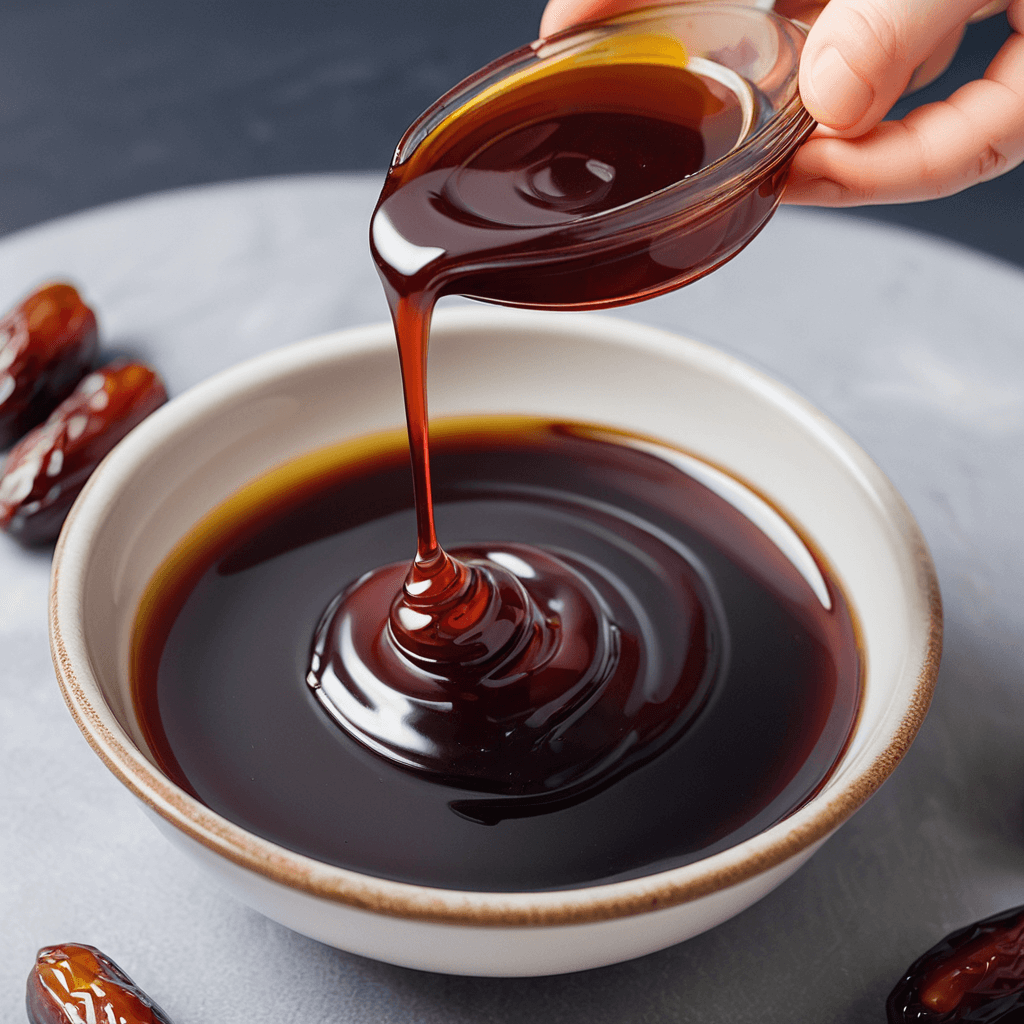
 Photo by Justiniano Adriano
 Photo by Laker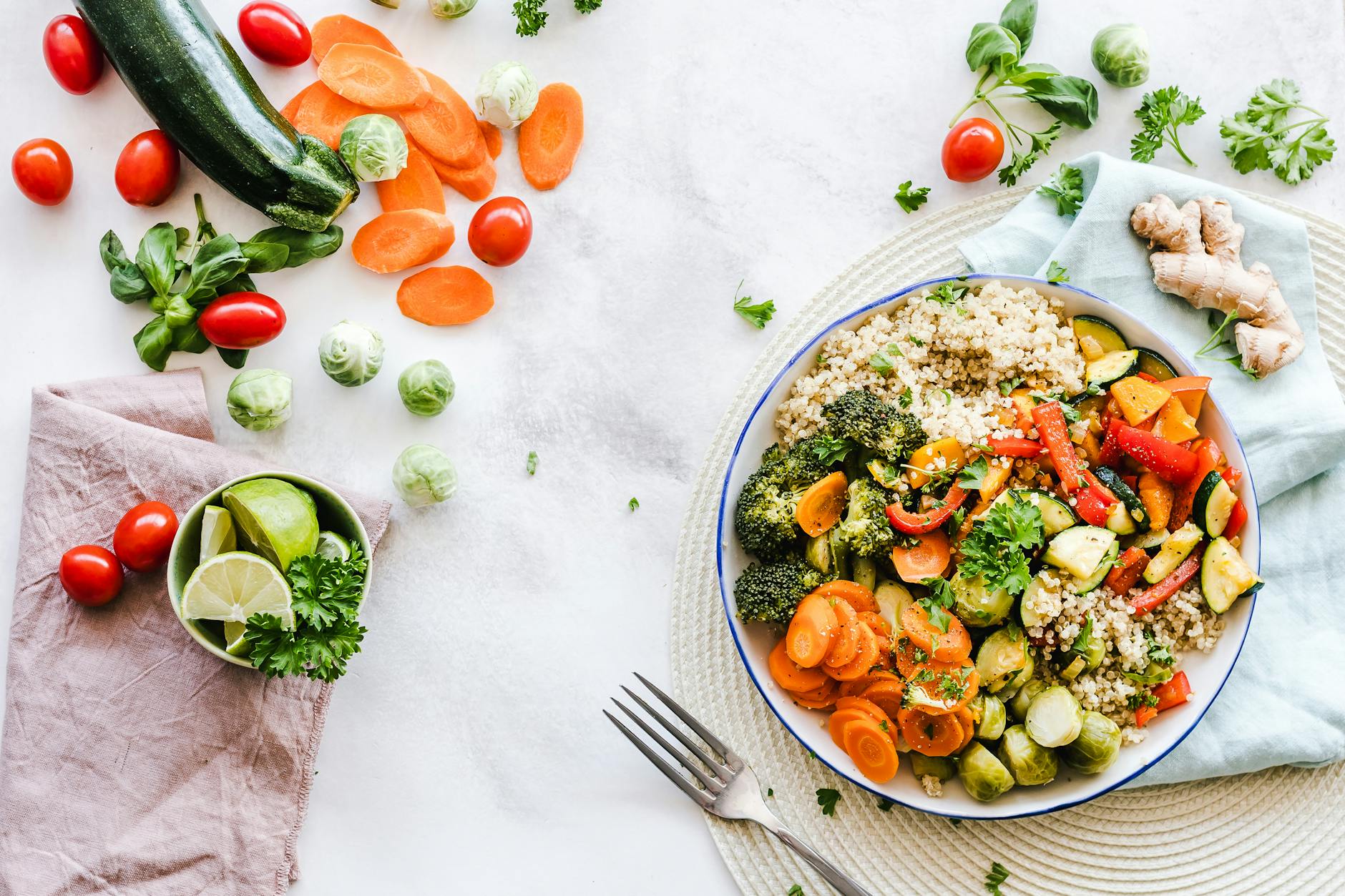

 Photo by Polina Tankilevitch
 Photo by Greta Hoffman
 Photo by Lisa Fotios


