Physical Address
304 North Cardinal St.
Dorchester Center, MA 02124
Physical Address
304 North Cardinal St.
Dorchester Center, MA 02124

Discover the vibrant world of African cuisine with our curated list of the 20 best vegetarian recipes. These dishes not only celebrate the rich culinary traditions of Africa but also offer numerous health benefits.
Vegetarianism is more than just a diet; it’s a lifestyle choice that emphasizes the consumption of plant-based foods while eliminating meat. Embracing a vegetarian diet can lead to numerous health benefits, including improved digestion, lower cholesterol levels, and a reduced risk of chronic diseases. Incorporating vegetarian dishes into your meals can also introduce you to a world of rich flavors and diverse cuisines, particularly from Africa.

Africa boasts a long history of vegetarian dishes, influenced by various regions and cultures. Common ingredients include legumes, vegetables, grains, and an array of spices and herbs. These ingredients are often combined in unique ways to create flavorful and nutritious meals. From the savory stews of Ethiopia to the spicy rice dishes of Nigeria, African vegetarian cuisine offers something for everyone.
Moroccan cuisine, renowned for its vibrant flavors and aromatic spices, offers a rich tapestry of culinary experiences. Among its many delights, Moroccan Chickpea Stew stands out as a hearty and satisfying dish that exemplifies the essence of Moroccan cooking while embracing vegetarian recipes. This stew combines a medley of ingredients that harmonize to create a meal that is both nourishing and flavorful.
Pair this Moroccan chickpea stew with couscous or a slice of crusty bread to fully appreciate the rich, savory broth. The couscous will absorb the flavorful juices, while the bread will provide a delightful contrast in texture.
Packed with protein, fiber, and essential vitamins, chickpeas are a stellar ingredient in vegetarian recipes. They contribute to satiety and support digestive health, making this stew not only delicious but also nutritious. Enjoy the balance of taste and wellness with every spoonful of this Moroccan delight.
Ethiopian cuisine, celebrated for its bold use of spices and robust ingredients, offers a culinary adventure like no other. Misir Wot, a traditional Ethiopian lentil stew, is a perfect example of this vibrant culinary tradition. This dish is not only flavorful but also packed with nutrients, making it a staple in Ethiopian households.
Misir Wot is traditionally enjoyed with injera, a sourdough flatbread that complements the stew’s rich flavors. However, it can also be served with rice or quinoa for a versatile and satisfying meal.
In Misir Wot, the main ingredient, lentils, are an excellent source of protein and fibre that also help to rebuild muscles, support digestive health, and increase feelings of fullness. Beyond these advantages, lentils are a great source of vital minerals like iron and magnesium that promote healthy bones and energy levels.
The anti-inflammatory and antioxidant qualities of the berbere spice combination can also help lower inflammation and strengthen immunity as a whole. When combined, these components make Misir Wot an incredibly nutritional option for vegetarian diets. A mouthwatering infusion of flavour and wellbeing comes with every serving.
Ghanaian cuisine is renowned for its vibrant flavors and diverse ingredients. Kontomire, a beloved dish made from spinach and tomatoes, embodies the essence of Ghanaian culinary traditions. This hearty stew not only brings a burst of flavor but also offers a nutritious way to enjoy leafy greens.
Kontomire pairs wonderfully with traditional Ghanaian staples such as boiled yams or plantains. For a different take, serve it over rice to enjoy the stew’s rich, flavorful broth.
The main element of Kontomire, spinach, is an extremely nutritious food. Its unusually high iron content promotes the synthesis of red blood cells and wards off anaemia. Furthermore, spinach is a great source of vitamins A, C, and K, which support healthy bones, eyesight, and an immune system. Because spinach has antioxidants that help fight inflammation and oxidative stress, kontomire is a healthy option for anyone wishing to add vegetarian foods to their diet. This recipe will not only taste amazing, but it will also significantly improve your overall health.
One of Nigeria’s best-known dishes is jollof rice, which is known for its strong, vivid flavours. Celebrated for its deep, tomato-based flavour, this West African classic has become a valued mainstay in many homes.
Jollof rice is versatile and can be enjoyed as a standalone main dish. For a complete meal, serve it alongside fried plantains and steamed vegetables, which complement the rice’s savory and tangy notes.
Jollof rice offers a hearty source of essential carbohydrates, providing sustained energy throughout the day. The vegetables used in the dish contribute a variety of vitamins and antioxidants, supporting overall health and well-being. By incorporating vegetarian recipes like Jollof Rice into your diet, you benefit from a balanced, nutritious meal that combines rich flavors with healthy ingredients.es.
South African cuisine is renowned for its vibrant flavors and diverse influences, and Chakalaka is a quintessential example of this culinary tradition. This spicy vegetable relish is a beloved staple often featured at barbecues and communal gatherings, offering a zesty complement to various dishes.
Key Ingredients:
Step-by-step cooking instructions:
Serving Suggestions:
Chakalaka is incredibly versatile and can be enjoyed in various ways. It pairs beautifully with pap, a traditional cornmeal porridge, or as a vibrant side dish to grilled vegetables and meats. Its spicy, tangy flavor adds a delightful contrast to many main courses.
Health Benefits:
Beans, the primary ingredient in Chakalaka, are packed with protein and fiber, making this relish both filling and nutritious. The high fiber content aids in digestion, while the protein supports muscle repair and overall health. Additionally, the vegetables in Chakalaka provide essential vitamins and antioxidants, contributing to a balanced diet. Incorporating this dish into vegetarian recipes not only enhances flavor but also ensures a wholesome, healthy meal.s.
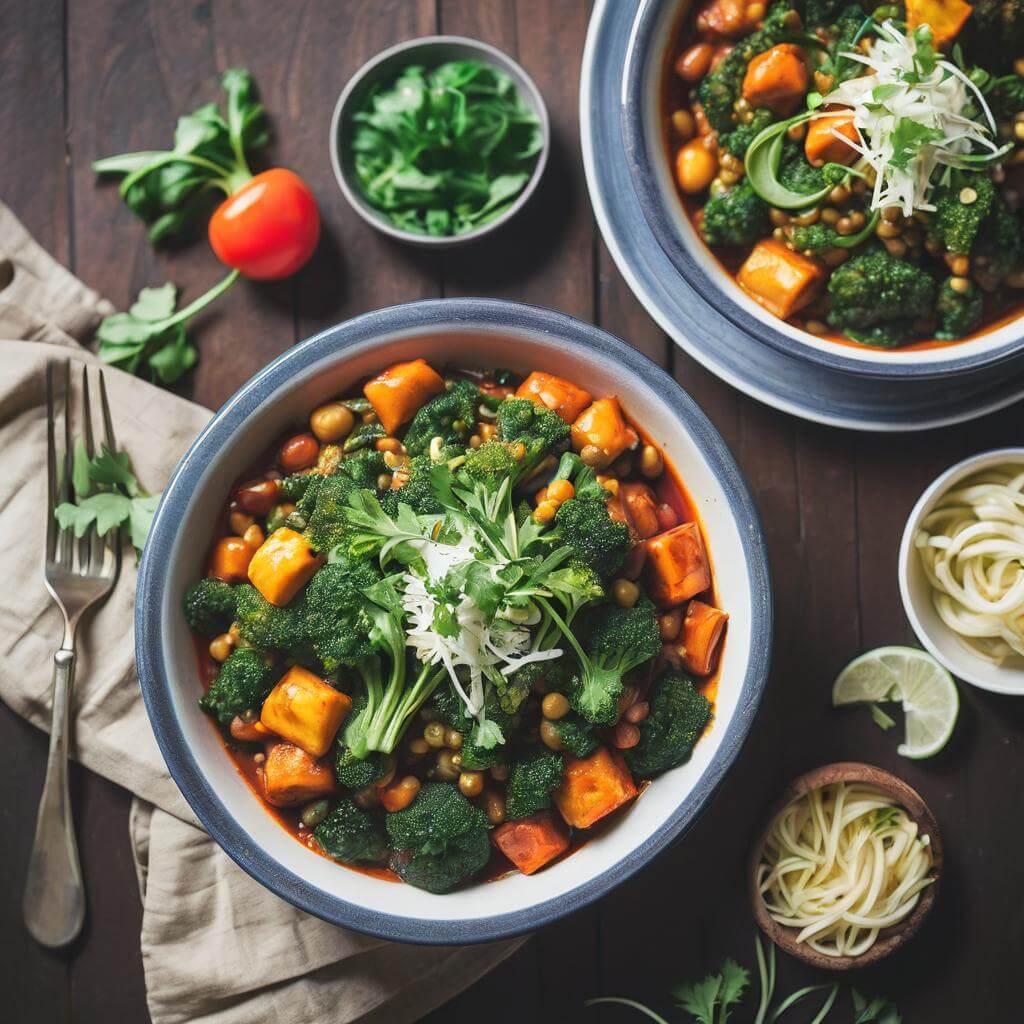
Tanzanian cuisine offers a rich tapestry of flavors, and Maharage ya Nazi, or coconut beans, is a standout example of its comforting, tropical dishes. This creamy bean dish, infused with the rich flavor of coconut milk, provides a delightful balance of taste and nutrition.
Key Ingredients:
Step-by-step cooking instructions:
Serving Suggestions:
Maharage ya Nazi pairs wonderfully with rice or flatbread, making for a satisfying and complete meal. The creamy beans complement the starchy base, creating a hearty and comforting dish.
Health Benefits:
Coconut milk adds a source of healthy fats to the dish, which can support heart health and provide sustained energy. Beans are rich in protein and fiber, contributing to muscle repair and digestive health. Together, these ingredients make Maharage ya Nazi a nutritious choice, especially when included in vegetarian recipes. Enjoying this dish not only provides a taste of Tanzanian cuisine but also offers a wholesome, nourishing meal.otein and fiber.
Egyptian Koshari: A Street Food Classic
Egyptian cuisine is renowned for its rich flavors and hearty dishes, and Koshari is a shining example of this culinary tradition. This popular street food offers a satisfying combination of rice, lentils, and pasta, topped with a zesty tomato sauce.
Key Ingredients:
Step-by-step cooking instructions:
Serving Suggestions:
Garnish with crispy fried onions for added crunch and flavor. Koshari can be enjoyed on its own or paired with a side of fresh salad for a complete meal.
Health Benefits:
Koshari is a nutritional powerhouse, offering a balanced blend of protein and fiber from the lentils, chickpeas, and pasta. This combination helps provide sustained energy and supports digestive health. The dish’s high fiber content aids in maintaining satiety, making it an excellent choice for those seeking a filling yet healthful meal. Integrating Koshari into vegetarian recipes offers a delicious way to enjoy a traditional Egyptian delight while benefiting from its wholesome ingredients.
Senegalese cuisine is celebrated for its bold flavors and diverse ingredients, and Mafé is a prime example of this rich culinary tradition. This creamy stew, made with sweet potatoes and peanuts, offers a delightful fusion of sweetness and savory depth.
Key Ingredients:
Step-by-step cooking instructions:
Serving Suggestions:
Mafé pairs wonderfully with rice or flatbread, which helps soak up the luscious, creamy sauce. This combination makes for a satisfying and complete meal.
Health Benefits:
Mafé is not only delicious but also packed with nutrients. Sweet potatoes are rich in vitamins A and C, along with fiber, which supports digestive health and boosts the immune system. Peanut butter adds healthy fats and protein, contributing to heart health and sustained energy levels. Together, these ingredients create a stew that is both nourishing and flavorful, fitting perfectly into vegetarian recipes. Enjoy Mafé for a comforting, wholesome meal that offers a taste of Senegalese cuisine and numerous health benefits.
Kenyan cuisine is renowned for its hearty and flavorful dishes, and the combination of Ugali and Sukuma Wiki represents the essence of traditional Kenyan meals. Ugali, a simple maize flour porridge, pairs perfectly with Sukuma Wiki, a savory collard greens dish, creating a balanced and satisfying meal.
Key Ingredients:
Step-by-step cooking instructions:
Serving Suggestions:
Serve Sukuma Wiki alongside Ugali for a traditional Kenyan meal. The creamy, dense Ugali pairs wonderfully with the flavorful, vegetable-rich Sukuma Wiki, offering a complete and satisfying dining experience.
Health Benefits:
Ugali is a good source of carbohydrates, providing essential energy for daily activities. When paired with Sukuma Wiki, the meal is enriched with fiber, vitamins, and minerals. Collard greens are particularly high in vitamins A, C, and K and are a great source of calcium and antioxidants. Together, Ugali and Sukuma Wiki offer a nutritious, well-rounded meal that fits perfectly into vegetarian recipes, delivering both taste and essential nutrients.
Tunisian cuisine is known for its vibrant flavors and delightful pastries, and Brik stands out as a popular favorite. This savory pastry, often filled with a mix of eggs and vegetables, is wrapped in thin dough and fried to crisp perfection.
Key Ingredients:
Step-by-step cooking instructions:
Serving Suggestions:
Brik is delicious on its own or can be served with a side salad or a cool yogurt dip. The contrast of the crispy pastry with the creamy filling enhances the overall dining experience.
Health Benefits:
Brik provides a good source of protein and iron, especially from the eggs and vegetables used in the filling. Potatoes and parsley contribute additional vitamins and minerals, making this pastry both tasty and nutritious. When included in vegetarian recipes, Brik offers a satisfying meal option that balances flavor and essential nutrients.
Cameroonian cuisine is rich in flavors and traditions, and Ndolé is a prime example of its heartiness and depth. This flavorful stew, made with bitter leaves or spinach and enriched with peanuts, is a beloved main dish that highlights the diverse culinary heritage of Cameroon.
Key Ingredients:
Step-by-step cooking instructions:
Serving Suggestions:
Ndolé is traditionally served with boiled plantains or yams, making for a satisfying and hearty meal. The starchy sides complement the rich, nutty flavors of the stew perfectly.
Health Benefits:
Ndolé is not only flavorful but also highly nutritious. The bitter leaves of spinach provide essential vitamins and minerals, while peanuts are a good source of protein and healthy fats. The addition of palm oil adds beneficial fatty acids, supporting overall health. This dish delivers a well-rounded meal that combines taste with nutrition, making it a great fit for vegetarian recipes and a wholesome choice for anyone seeking a balanced diet.
Algerian cuisine is renowned for its rich flavors and diverse ingredients, and Couscous is a quintessential part of North African culinary tradition. This Algerian Roasted Vegetable Couscous takes the classic dish to new heights with a medley of roasted vegetables, creating a healthy and satisfying meal.
Key Ingredients:
Step-by-step cooking instructions:
Serving Suggestions:
Serve the couscous with a side of harissa for a spicy kick or a dollop of Greek yogurt for a cooling contrast. Both options enhance the dish’s flavors and add an extra layer of complexity.
Health Benefits:
This dish is packed with fiber and essential vitamins from the variety of roasted vegetables, making it both nutritious and filling. The low-fat content from the use of olive oil and the absence of heavy ingredients make it a heart-healthy choice. The inclusion of couscous provides a good source of carbohydrates for energy. This Algerian Roasted Vegetable Couscous is a perfect fit for vegetarian recipes, offering a well-rounded, wholesome meal with rich flavors and beneficial nutrients.
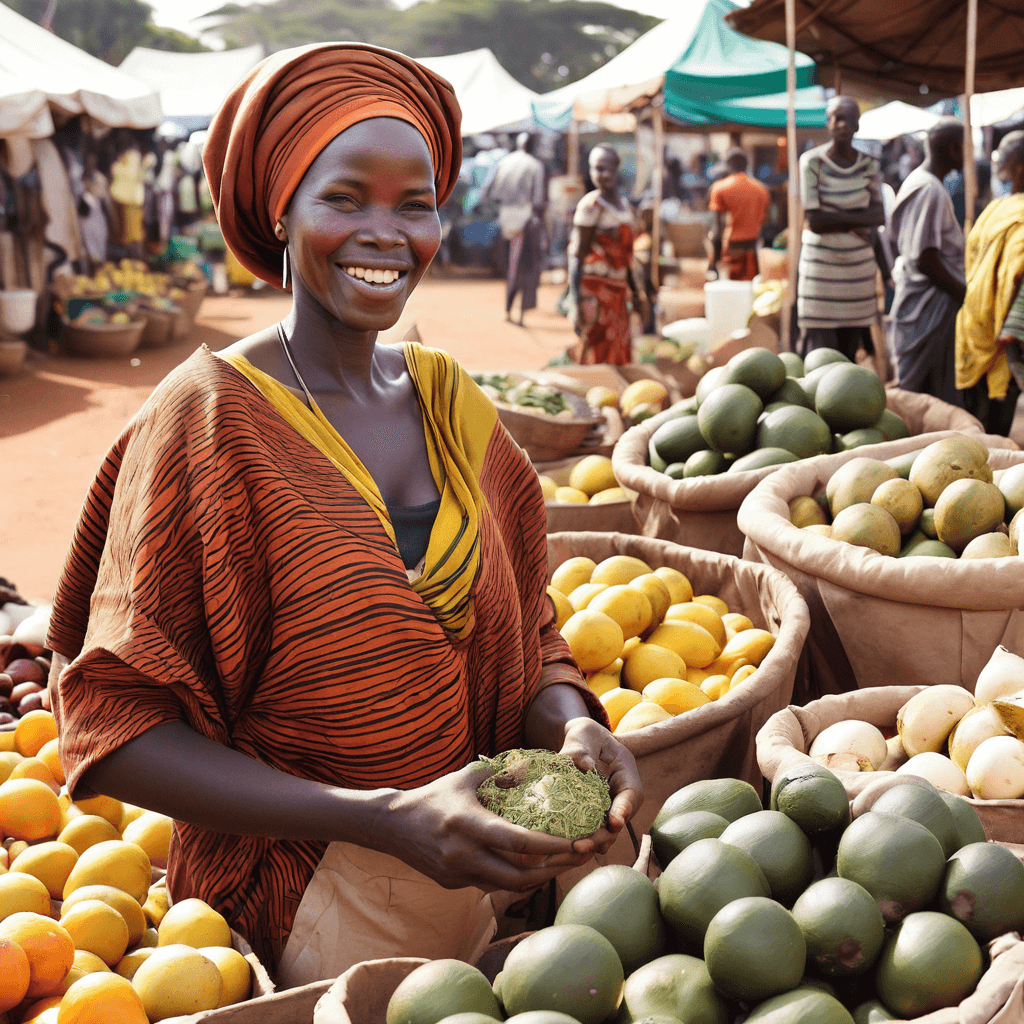
Ugandan cuisine is celebrated for its rich and diverse flavors, and Groundnut Sauce stands as a cherished traditional dish. This savory sauce, made primarily from peanuts, is a versatile accompaniment often paired with matoke (steamed plantains) or rice.
Key Ingredients:
Step-by-step cooking instructions:
Serving Suggestions:
Ugandan Groundnut Sauce is traditionally served over steamed plantains, rice, or sweet potatoes. This combination enhances the nutty flavor of the sauce and creates a hearty, satisfying meal.
Health Benefits:
Groundnut sauce is not only delicious but also highly nutritious. Peanuts are a rich source of protein and healthy fats, which provide sustained energy and support overall health. The addition of vegetables like onions and tomatoes adds essential vitamins and antioxidants. This sauce fits well into vegetarian recipes, offering a flavorful and nutrient-dense option for a balanced diet.
Sierra Leonean cuisine is known for its hearty and flavorful dishes, and cassava leaf stew is a standout example of this tradition. This rich stew, made with cassava leaves and enhanced with groundnuts or palm oil, offers a delicious taste of Sierra Leonean culinary heritage.
Key Ingredients:
Step-by-step cooking instructions:
Serving Suggestions:
Cassava Leaf Stew is traditionally served with rice or boiled yams. The hearty stew pairs well with these starchy sides, creating a balanced and satisfying meal.
Health Benefits:
Cassava leaves are a nutritional powerhouse, rich in vitamins A and C, calcium, and iron. They contribute to overall health and support the immune system. The addition of peanuts provides protein and healthy fats, further enhancing the stew’s nutritional value. This dish fits seamlessly into vegetarian recipes, offering a flavorful and nutrient-dense option that supports a balanced diet.ns and minerals, and peanuts add protein and healthy fats.
Liberian Jollof Rice is a vibrant, one-pot dish that offers a unique variation of the beloved West African classic. While similar to its Nigerian counterpart, Liberian Jollof Rice features distinct spices and ingredients that give it a special flavor profile.
Key Ingredients:
Step-by-Step Instructions:
Serving Suggestions:
Liberian Jollof Rice is delicious on its own but pairs wonderfully with a side of fried plantains. The sweet, crispy plantains complement the savory, spiced rice perfectly.
Health Benefits:
This dish is packed with essential nutrients. The vegetables provide a good source of vitamins and fiber, which support overall health and digestion. The rice offers a steady source of carbohydrates for energy. By including a variety of vegetables and spices, Liberian Jollof Rice delivers a nutritious, well-rounded meal that fits well into vegetarian recipes. Enjoy this flavorful dish for a satisfying and healthy dining experience.
Somali cuisine offers a rich tapestry of flavors, and Bariis is a prime example of its aromatic and festive nature. This spiced rice dish, often enjoyed during special occasions, combines basmati rice with a blend of spices, raisins, and vegetables to create a fragrant and satisfying meal.
Key Ingredients:
Step-by-step cooking instructions:
Serving Suggestions:
Bariis is versatile and can be served with a side of fresh salad or a yogurt sauce to add a refreshing contrast to the spiced rice. The combination of flavors and textures makes for a delightful and complete meal.
Health Benefits:
Bariis is a nutritious choice, with basmati rice providing a good source of carbohydrates for energy. The inclusion of vegetables like carrots and peas adds essential vitamins and fiber, supporting overall health and digestion. Raisins contribute natural sweetness and additional nutrients. The spices used in Bariis, such as cumin, cardamom, and cinnamon, offer antioxidant properties and can aid in digestion. This dish fits well into vegetarian recipes, delivering a flavorful and healthy option that is perfect for any occasion.
Bariis is rich in antioxidants from the spices and vitamins from the vegetables, providing a balanced and nutritious meal.
Rwandan cuisine offers a range of hearty and flavorful dishes, and the Sweet Potato and Bean Soup is a perfect example of a nutritious, comforting meal. This rich and filling soup combines the natural sweetness of sweet potatoes with the protein-packed goodness of black beans, making it ideal for colder days or when you need a wholesome, satisfying dish.
Key Ingredients:
Step-by-step cooking instructions:
Serving Suggestions:
This soup pairs wonderfully with a slice of crusty bread for dipping or can be served over a bed of quinoa for an added protein boost. Both options complement the soup’s rich, hearty flavors.
Health Benefits:
The combination of sweet potatoes and black beans provides a wealth of nutritional benefits. Sweet potatoes are high in beta-carotene, which supports vision and immune health, and are also rich in vitamins A and C. Black beans are an excellent source of protein and fiber, aiding in digestion and providing sustained energy. This soup is not only filling but also fits perfectly into vegetarian recipes, offering a delicious and nutrient-dense option that supports overall well-being.
Zambian cuisine offers a variety of flavorful and nutritious dishes, and Ifisashi stands out as a traditional favorite. This rich and creamy dish combines peanuts with leafy greens, creating a hearty side dish or main course that showcases the best of Zambian culinary traditions.
Key Ingredients:
Step-by-step cooking instructions:
Serving Suggestions:
Ifisashi is traditionally served with nshima (cornmeal porridge) or rice. These starchy sides complement the creamy and nutty flavors of the dish, creating a balanced and satisfying meal.
Health Benefits:
Ifisashi is both nutritious and delicious. The leafy greens provide essential vitamins and minerals, while the peanuts offer a good source of protein and healthy fats. This combination supports overall health, promotes satiety, and provides sustained energy. The dish is a great addition to vegetarian recipes, offering a flavorful and healthy option for any meal.
Madagascan cuisine is celebrated for its vibrant and diverse flavors, and Lasary Voatabia exemplifies this with its simplicity and freshness. This traditional tomato and onion salad is a staple side dish in Madagascar, offering a delightful and tangy complement to various meals.
Key Ingredients:
Step-by-step cooking instructions:
Serving Suggestions:
Lasary Voatabia is perfect as a side dish with grilled vegetables or can be enjoyed as a refreshing main course salad. Its bright and tangy flavors enhance a variety of dishes, making it a versatile addition to any meal.
Health Benefits:
This salad is packed with antioxidants from the tomatoes and healthy fats from the olive oil. The lemon juice adds a boost of vitamin C, while the onions contribute additional vitamins and minerals. Together, these ingredients create a nutritious and healthful dish that supports overall wellness and complements a balanced diet. Lasary Voatabia is a simple yet effective way to incorporate fresh vegetables into your meals, making it a great option for vegetarian recipes and a refreshing choice for any occasion.
Malian cuisine is rich in flavors and traditions, and Achi Ke is a cherished example of its wholesome breakfast options. This traditional millet porridge is not only a staple in Malian households but also a versatile dish that can be enjoyed throughout the day.
Key Ingredients:
Step-by-step cooking instructions:
Serving Suggestions:
Serve the Achi Ke warm, topped with fresh fruits such as berries or bananas, or sprinkle with nuts for added texture and nutrition. This porridge can be enjoyed as a comforting breakfast or as a satisfying meal at any time of the day.
Health Benefits:
Millet is a highly nutritious grain that is naturally gluten-free and rich in protein, fiber, and essential minerals such as magnesium, phosphorus, and iron. These nutrients support overall health, aid digestion, and help maintain energy levels. Achi Ke is a wholesome choice that fits well into vegetarian recipes, offering a balanced and healthy option to start your day or enjoy as a hearty meal.and hearty meal.

When exploring African cuisine, particularly in the realm of vegetarian recipes, embracing ingredient substitutions, utilizing specific cooking techniques, and knowing how to properly store and reheat dishes are essential for a successful culinary experience. Here’s a comprehensive guide to help you adapt recipes and maintain their quality.
By employing these substitutions, you can recreate traditional African flavors in your vegetarian recipes while using ingredients that are easier to find. This approach not only makes African cuisine more accessible but also ensures that you can enjoy the authentic tastes and textures that define these beloved dishes. Whether you’re cooking a classic stew or a vibrant salad, these tips will help you adapt African recipes to fit your pantry and your palate.
African vegetarian recipes offer a delightful and healthy way to enrich your diet with diverse and flavorful dishes. The culinary traditions of Africa are renowned for their bold and vibrant flavors, and these vegetarian options provide a nourishing alternative to more traditional fare. Each recipe not only brings a unique taste experience but also showcases the rich cultural heritage of the continent.
Incorporating these dishes into your meals can yield numerous health benefits. Many African vegetarian recipes are packed with essential nutrients, including vitamins, minerals, and fiber, contributing to overall well-being. Ingredients such as legumes, leafy greens, and aromatic spices are staples that enhance both the flavor and nutritional profile of these dishes.
Exploring African cuisine through vegetarian recipes offers an opportunity to discover new and exciting flavors. The diverse range of ingredients and cooking techniques will open up a world of culinary possibilities. Whether it’s the hearty stews from West Africa, the vibrant salads of North Africa, or the spicy dishes of East Africa, each recipe presents a chance to expand your palate and enjoy a more varied diet.
So, don’t hesitate to delve into these recipes and uncover new favorites. Share your culinary adventures with others, and let the rich, vibrant flavors of African cuisine enhance your meals. Embrace the joy and health that these dishes bring to your table, and allow them to transform your dining experience into a celebration of both taste and tradition.


