Physical Address
304 North Cardinal St.
Dorchester Center, MA 02124
Physical Address
304 North Cardinal St.
Dorchester Center, MA 02124
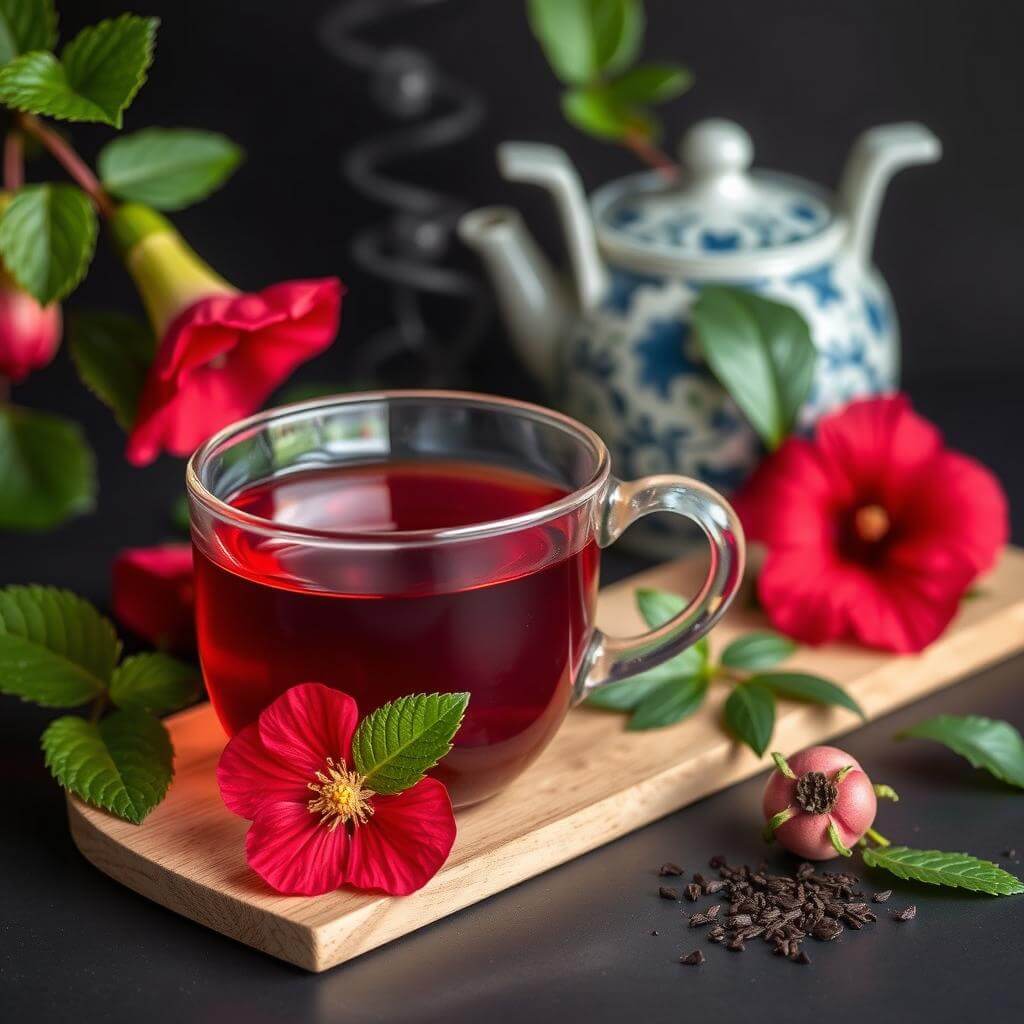
Brewing African Hibiscus Tea is a delightful way to enjoy a flavorful, healthful beverage steeped in cultural heritage. This vibrant tea is easy to prepare and offers a host of benefits, from lowering blood pressure to supporting heart health and weight management.
Nothing epitomizes the essence of African culture quite like a refreshing cup of Hibiscus Tea. This vibrant drink, known for its tart and sweet flavor, is brimming with cultural significance and incredible health benefits. Making it at home is a delightful journey that requires only a few simple ingredients. Whether you’re sipping on a hot day or enjoying it as your morning ritual, African Hibiscus Tea offers an invigorating taste experience.
African Hibiscus Tea, often called Roselle or Karkade in different parts of the continent, primarily uses the Hibiscus Sabdariffa plant. This plant’s strikingly red flowers not only serve as the base for this tea but also hold cultural importance in various African regions. Historically, the hibiscus plant is more than an ingredient; it’s a bridge into the traditions and stories of Africa’s rich tapestry.
 Photo by Werner Pfennig
Hibiscus tea, derived from the dried calyces of the Hibiscus sabdariffa plant, has a deep historical and cultural significance rooted in various communities across the globe. In ancient Egypt, this vibrant drink was revered for its refreshing taste and purported health benefits, often enjoyed by pharaohs and featured in ceremonial practices. Hibiscus drinks hold deep historical and cultural significance within many African and Afro-Caribbean communities. In places like Sudan and Egypt, hibiscus tea—commonly known as “karkade”—is essential during weddings and other pivotal events, reflecting the joy of gathering and sharing. This rich, ruby-red beverage is more than a simple refreshment; it embodies the essence of hospitality and celebration, acting as a symbol of unity and community.
West African cultures also cherish hibiscus tea for its vibrant color and flavor, typically enjoyed hot or cold during social and ceremonial occasions. Beyond its culinary role, hibiscus drinks serve as a connection to ancestry, linking individuals to the traditions and customs of their forebears. In these communities, the practice of brewing hibiscus tea is not merely a culinary act but a meaningful ritual that fosters a sense of identity and continuity.
The cultural relevance of hibiscus tea extends beyond Africa. In traditional Mexican cuisine, it is known as “aguas frescas” and often takes center stage in social gatherings. Wherever it is enjoyed, hibiscus tea’s deep red hue and tart flavor make it more than just a beverage—it’s a vibrant celebration of culture, heritage, and the joy of coming together. For more insights into hibiscus’ cultural role, explore Serious Eats’ article on Hibiscus Drinks.
Hibiscus tea is not just a treat for the taste buds; it comes with a raft of potential health benefits. Derived from the dried calyces of the Hibiscus sabdariffa plant, this ruby-red tea has long been a staple in traditional medicine, particularly in African and Afro-Caribbean cultures. Known for its tangy flavor and vibrant hue, hibiscus tea has found its place in modern health discussions due to its potent antioxidant properties and numerous physiological advantages. In particular, African Hibiscus Tea stands out for its rich heritage and deep-rooted significance in both cultural practices and wellness routines.
One of the most notable health benefits of African Hibiscus Tea is its high antioxidant content. Antioxidants are compounds that neutralize free radicals—unstable molecules that can cause oxidative stress, leading to inflammation and cellular damage. Free radicals have been linked to chronic illnesses, including heart disease, cancer, and neurodegenerative disorders. Hibiscus tea contains a variety of antioxidants, such as flavonoids, anthocyanins, and polyphenols, which help to combat these free radicals and protect the body from their damaging effects. This antioxidant activity not only reduces inflammation but also promotes skin health, delaying the signs of aging and keeping cells youthful.
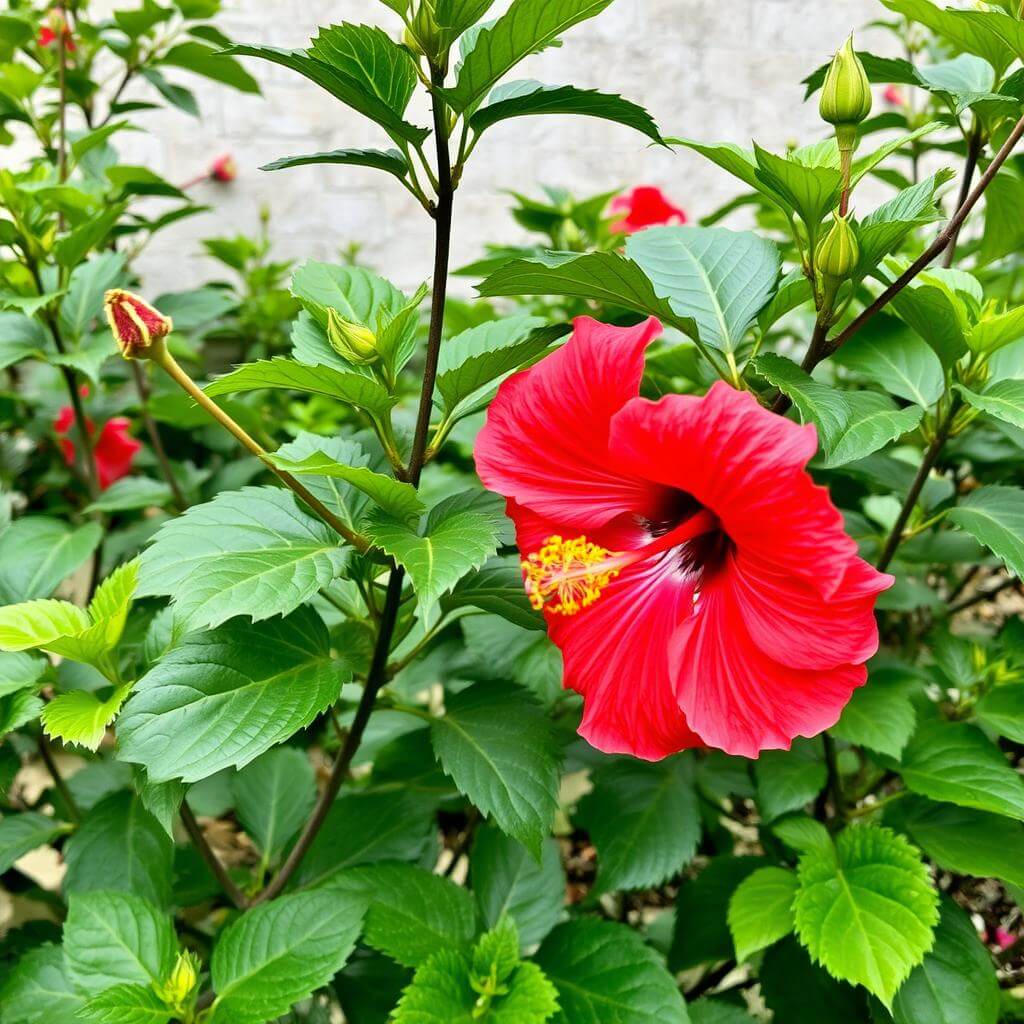
African Hibiscus Tea has also been studied for its ability to lower blood pressure. Hypertension, or high blood pressure, is a significant risk factor for cardiovascular diseases such as heart attacks and strokes. Several clinical studies have shown that regular consumption of hibiscus tea can have a hypotensive effect, meaning it helps to relax blood vessels and reduce the pressure exerted on arterial walls. This is particularly important for individuals with prehypertension or mild hypertension, as hibiscus tea may offer a natural, non-pharmacological option to maintain healthier blood pressure levels. The anthocyanins in African Hibiscus Tea are believed to be responsible for this benefit, as they help improve circulation and prevent the stiffening of arteries.
High cholesterol levels are another major contributor to heart disease. African Hibiscus Tea may help regulate cholesterol, particularly by lowering low-density lipoprotein (LDL), commonly known as “bad” cholesterol. LDL cholesterol can accumulate in the arterial walls, leading to atherosclerosis, which restricts blood flow and increases the risk of heart attack or stroke. Studies suggest that hibiscus tea can help lower LDL levels while simultaneously increasing high-density lipoprotein (HDL), or “good” cholesterol, which helps clear excess cholesterol from the bloodstream. By balancing cholesterol levels, African Hibiscus Tea supports heart health and promotes overall cardiovascular well-being.
In addition to its cardiovascular benefits, African Hibiscus Tea has been linked to weight management and improved metabolism. It contains compounds that may help inhibit the production of amylase, an enzyme responsible for breaking down carbohydrates into sugars. This inhibition can lead to slower absorption of sugars, potentially reducing spikes in blood glucose levels and aiding in weight control. Furthermore, hibiscus tea is naturally low in calories, making it an excellent alternative to sugary beverages. Regular consumption of African Hibiscus Tea may support weight loss efforts by enhancing metabolism and encouraging the body to burn fat more efficiently.
African Hibiscus Tea offers a multitude of health benefits, making it much more than just a flavorful beverage. Its antioxidant properties help combat inflammation and protect the body from oxidative stress, while its ability to lower blood pressure and regulate cholesterol levels makes it a valuable ally for heart health. Additionally, its role in weight management and metabolism further enhances its appeal as a functional drink. Whether enjoyed hot or cold, African Hibiscus Tea is a delicious and health-promoting addition to any diet. As more research emerges, the medicinal potential of hibiscus tea continues to capture the interest of both traditional healers and modern scientists, bridging the gap between cultural heritage and contemporary wellness. For an in-depth look at these benefits, consider the detailed research presented by Healthline.
Creating African Hibiscus Tea at home is both simple and rewarding, requiring only a few basic ingredients. This refreshing and healthful beverage is a staple in many African and Afro-Caribbean cultures, often enjoyed for its bold flavor and numerous health benefits. If you’re looking to bring a taste of this cultural tradition into your own kitchen, you’ll be pleased to know that it doesn’t involve an extensive list of rare ingredients. Instead, with just a few easily accessible items, you can brew your own African Hibiscus Tea and even experiment with optional additions to make the recipe your own.
The most essential component of African Hibiscus Tea is dried hibiscus flowers. These deep red flowers are what give the tea its distinctive color and tart flavor. Dried hibiscus flowers are widely available in health food stores, ethnic grocery stores, or online. They’re known for their versatility in various culinary and medicinal applications, but for the purpose of tea, they are simply steeped in hot water to release their vibrant flavor and hue.
In addition to the hibiscus flowers, water is obviously a key ingredient in brewing African Hibiscus Tea. Boiling water helps extract the maximum flavor and nutritional benefits from the dried flowers, ensuring a strong, rich brew. The ratio of flowers to water can vary based on personal preference, but a common starting point is one cup of dried hibiscus flowers for every two quarts of water.
Finally, to balance the natural tartness of the hibiscus, you’ll need a sweetener of your choice. Traditional options include sugar or honey, both of which help soften the sharp, tangy edge of the hibiscus while enhancing its fruity notes. Some people prefer to use natural sweeteners like agave syrup or stevia, which provide sweetness without the extra calories. Ultimately, the type and amount of sweetener you use can be tailored to suit your personal taste.
While African Hibiscus Tea is delightful on its own, adding optional ingredients can take the flavor to new heights. For those looking to enhance the warming aspect of the tea, spices such as ginger or cloves can be an excellent addition. Ginger, with its spicy heat and slightly sweet undertone, pairs well with the tartness of the hibiscus, while cloves add depth with their rich, earthy aroma. These spices can be added during the boiling stage to allow their flavors to fully infuse into the tea.
Citrus fruits are another popular addition to African Hibiscus Tea, offering a zesty brightness that complements the tangy hibiscus. Lemon or lime juice can be squeezed directly into the tea, or slices of the fruit can be added for a more subtle infusion of flavor. The acidity of citrus fruits enhances the overall taste profile, making the tea even more refreshing.
For those who enjoy a sweeter, more complex flavor, adding fresh mint leaves or cinnamon sticks can elevate the tea further. Mint introduces a cooling effect that contrasts beautifully with the tartness, while cinnamon adds a warm, slightly sweet spice that mellows the tea’s sharpness. These additions aren’t mandatory, but they are worth trying if you want to create a unique and personalized version of African Hibiscus Tea.
Making African Hibiscus Tea at home is an easy and flexible process. With just a few simple ingredients—dried hibiscus flowers, water, and a sweetener of your choice—you can craft a delicious and healthful tea. If you feel adventurous, optional additions such as ginger, cloves, citrus fruits, or mint can enhance the flavor and make the tea even more enjoyable. Whether you prefer it plain or infused with spices and fruits, African Hibiscus Tea offers a versatile and flavorful experience that is sure to delight your senses.
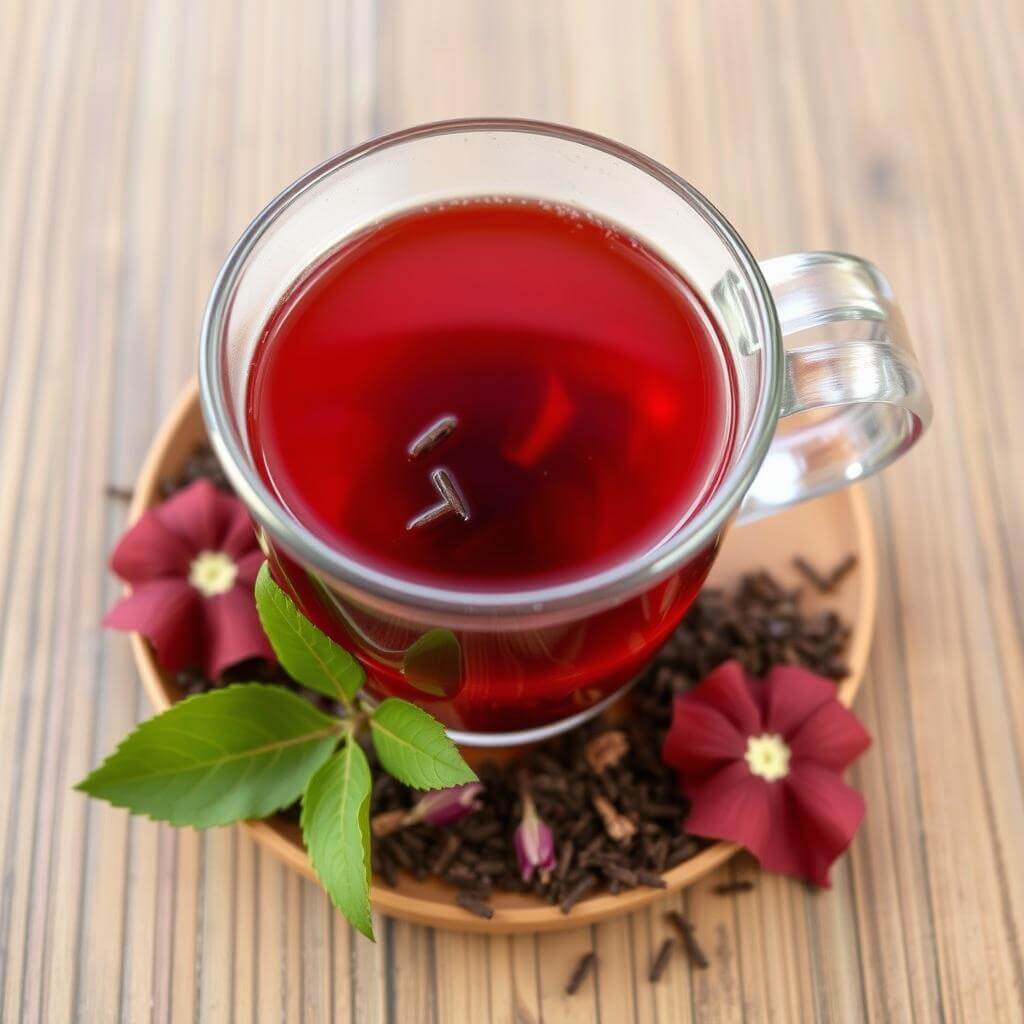
Brewing African Hibiscus Tea is an easy and rewarding process, allowing you to indulge in something rich, flavorful, and steeped in tradition. Whether you’re new to tea-making or a seasoned tea enthusiast, these simple steps will guide you to creating a delicious and vibrant cup of hibiscus tea at home.
The first step in crafting African Hibiscus Tea is to prepare your ingredients. Start by measuring out one cup of dried hibiscus flowers. These flowers are the star of the tea, providing the deep red color and signature tartness. If you plan to add any spices or citrus fruits to enhance the flavor, now is the time to prepare them. For example, if you’re using ginger, peel and grate it. If you’re incorporating citrus, slice lemons or limes thinly. These optional additions bring warmth or zest to the tea, creating a more dynamic flavor profile. If you plan to add a sweetener, such as sugar or honey, have it on hand but do not mix it in just yet.
Once your ingredients are ready, it’s time to start brewing your African Hibiscus Tea. Follow these steps for a flawless tea:
Your African Hibiscus Tea is now ready to be served. You can enjoy it in two main ways: hot or iced.
By following these simple steps, you can enjoy the rich tradition and health benefits of African Hibiscus Tea right from your kitchen. Whether served hot or cold, this versatile drink is a wonderful addition to any occasion. For more detailed recipe variations and inspiration, consider checking resources like Love and Lemons, which offer creative ideas for customizing your African Hibiscus Tea to suit your personal tastes.
Brewing African Hibiscus Tea is a joyful culinary experience that not only connects you to a rich cultural heritage but also treats you to incredible flavors and health benefits. This vibrant tea is the perfect drink to make at home, offering versatility and the ability to easily adapt to your personal taste. Whether you prefer it hot or chilled, with spices or citrus, this tea promises to deliver both a delicious flavor and a nod to traditions passed down through generations. Ready to embark on this flavorful journey? Brew a pot today and savor a cup steeped in history and wellness.


