Physical Address
304 North Cardinal St.
Dorchester Center, MA 02124
Physical Address
304 North Cardinal St.
Dorchester Center, MA 02124

Balancing your macronutrients—proteins, carbs, and fats—is crucial for maintaining optimal health and achieving your weight loss or muscle-building goals. Understanding how to distribute your macronutrients based on your specific needs can boost energy levels, enhance muscle repair, and support fat loss. Whether you're a busy professional or an athlete, tracking your macros with simple tools can help you maintain a balanced, sustainable diet. Discover how to calculate your needs and implement the right ratios for better health and wellness.
Have you ever wondered why we need food to feel strong and healthy? It’s because the food we eat contains macronutrients—proteins, carbohydrates (carbs), and fats. These three nutrients are like the building blocks of our bodies, each playing a special role.
When we eat, it’s not just about filling our bellies. It’s about giving our bodies the right mix of these macronutrients to stay healthy. This mix is called macronutrient balance, and it’s essential for everyone—whether you’re growing, staying active, or trying to lose weight.
So, why is this balance so important? If you eat too much of one type of macronutrient, like carbs, and not enough of another, like protein, your body might not work as well. That’s where the concept of macronutrient balance for weight loss comes in. By getting the right combination of proteins, carbs, and fats, you can fuel your body, shed extra pounds, and feel your best.
In this article, we’ll learn how these macronutrients work together and how to create a balance that supports weight loss and overall health. It’s like solving a fun puzzle, where the pieces fit perfectly to make you stronger, happier, and healthier!
Macronutrients are nutrients your body needs in large amounts to function properly:
Each macronutrient serves a unique purpose. Focusing too much on one while neglecting the others can lead to imbalances that affect energy levels, metabolism, and overall health. For example, a diet too high in carbs might cause blood sugar spikes, while one lacking enough fats could interfere with hormone regulation.
The ideal macronutrient ratio varies depending on factors like age, activity level, and health goals. However, a general guideline for most adults is:
Balancing proteins, carbs, and fats doesn’t have to be complicated. By focusing on whole, nutrient-rich foods and tailoring your intake to your unique needs, you can create a sustainable diet that supports both your health and lifestyle. Remember, balance is key—your body thrives when all three macronutrients work together in harmony.
Macronutrient balance is like giving your body the perfect recipe for energy and strength. It means eating just the right amounts of proteins, carbs, and fats to help your body perform at its best. When it comes to losing weight, this balance is key. Too much of one macronutrient or not enough of another can make it harder to reach your goals. That’s why understanding macronutrient balance for weight loss can change the game.
When you eat, your body uses calories as fuel. Each macronutrient contributes to these calories:
By balancing these nutrients, you can ensure your body gets what it needs without overeating. For example, eating more protein can help you feel fuller longer, while cutting back on simple carbs can reduce sugar spikes that lead to cravings. That’s why finding your macronutrient balance is so important for weight loss.
Imagine your body is a car. Calories are the fuel, and macronutrients are the type of fuel you choose—like gas, oil, or electricity. If you put too much of one type or not enough of another, the car won’t run well.
For weight loss, the total number of calories you eat matters, but how those calories are divided between proteins, carbs, and fats matters just as much. A good balance helps your body burn fat while keeping your muscles strong and energy steady.
One way to find the right balance is by tracking your macros. This means keeping track of how much protein, carbs, and fat you eat each day. It might sound tricky, but it’s easier than you think with apps or guides to help. Tracking macros can:
When you focus on tracking macros for better health, you’ll start to see how your food choices impact how you feel and look. It’s like giving your body a roadmap to success.
By understanding the science of macronutrient balance for weight loss, you’re taking the first step toward a healthier, happier you. It’s not about dieting—it’s about feeding your body what it needs to thrive!

Proteins are the superheroes of nutrition! They help your body grow, stay strong, and heal when you get hurt. Often called the building blocks of life, proteins are essential for everyone, but they’re especially important if you’re working to stay fit and healthy.
When you exercise, especially during activities like lifting weights or running, your muscles get tiny tears. Don’t worry—that’s normal! Proteins step in like a repair team, fixing those tears and making your muscles stronger. This is why the importance of protein in muscle building cannot be overstated. Without enough protein, your muscles can’t repair themselves properly, and you might feel weaker instead of stronger.
Protein also helps maintain muscle mass, which is crucial for keeping your metabolism active. The more muscle you have, the more calories your body burns, even when you’re resting.
Did you know that your body burns calories just by digesting food? Protein has a higher thermogenic effect than carbs or fats, meaning your body uses more energy to break it down. This not only helps with digestion but also supports weight management.
When you eat enough protein, you feel fuller for longer, which can stop those mid-afternoon snack cravings. It’s like giving your body a steady supply of energy without the ups and downs caused by sugary foods.
Finding time to prepare healthy meals can be tough, but it’s not impossible! Here are some high-protein meal ideas for busy lifestyles to keep you fueled and on track:
By including these meals in your daily routine, you can easily meet your protein needs without spending hours in the kitchen.
The importance of protein in muscle building and overall health makes it a must-have in your diet. Whether you’re repairing muscles, managing weight, or simply staying full and energized, protein is a nutrient you can count on. And with these high-protein meal ideas for busy lifestyles, you’ll never have to worry about running out of tasty options.
Start adding more protein to your meals today and watch how it helps you feel stronger, healthier, and ready to take on anything!
Carbohydrates, or carbs, are like the fuel your body needs to keep going. Just like a car needs gas to run, your body needs carbs for energy. They are your body’s favorite source of quick energy and help you stay active, focused, and ready for anything.
When you eat carbs, your body turns them into glucose, a type of sugar that fuels your muscles and brain. Glucose is stored as glycogen in your muscles and liver, ready to be used whenever you need it—whether you’re running, playing, or even just thinking.
Carbs are especially important for people who move a lot, like athletes or kids who love playing outside. Without enough carbs, your body might feel tired or sluggish, making it harder to stay active.
You might have heard about diets that suggest eating fewer carbs and more protein. These are called low-carb, high-protein diets. But how do they work, and are they right for you?
The choice between low-carb vs. high-protein diets depends on your lifestyle and goals. If you’re very active, you’ll need carbs to stay energized. If your goal is weight loss or muscle building, protein becomes more critical.
Endurance athletes, like runners, cyclists, or soccer players, need plenty of carbs to perform their best. That’s because their bodies burn a lot of energy during long activities. Eating enough carbs ensures they have the glycogen stores to keep going without running out of steam.
For active lifestyles, the optimal carb intake for endurance athletes often looks like this:
Even if you’re not an athlete, balancing your carb intake is essential. Choose complex carbs, like sweet potatoes, brown rice, and whole grains, instead of sugary snacks. These carbs give you energy that lasts longer and keeps you feeling great.
Carbs are the powerhouse nutrient that fuels your daily activities. Whether you’re walking to school, hitting the gym, or playing sports, the right amount of carbs can keep you energized and focused. Understanding the difference between low-carb vs. high-protein diets and finding the optimal carb intake for endurance athletes helps you make smarter food choices.
Fuel your body with the carbs it needs, and you’ll always have the energy to live your best life!

Fats often get a bad reputation, but they’re actually one of the most important nutrients your body needs. Healthy fats are like the quiet helpers that keep everything running smoothly—from fueling your body to supporting your brain. When eaten in the right amounts, fats can even play a big role in managing your energy and improving overall health.
Fats are more than just a source of energy—they’re essential for many functions in your body:
But not all fats are created equal! There are healthy fats that your body loves and unhealthy ones that can cause problems if eaten too often.
The best fats come from natural, unprocessed foods. Here are some top choices:
These healthy fat sources for energy can give you long-lasting fuel throughout the day, making them a key part of a balanced diet.
While fats are calorie-dense, they’re also very satisfying. Eating healthy fats can help you feel full longer, which might prevent overeating. The key is to enjoy them in moderation. For example, a handful of nuts makes a great snack, but eating a whole bag might be too much.
Including fats in your meals, along with proteins and carbs, helps create a balance that supports weight loss and energy.
Your brain is made up of about 60% fat, so it’s no surprise that fats play a big role in keeping it healthy. Omega-3 fatty acids, found in foods like salmon and walnuts, help improve memory, focus, and mood. Adding these fats to your diet can make a big difference in how you think and feel.
Fats aren’t the bad guys—they’re an essential part of staying healthy and strong. By choosing healthy fat sources for energy and understanding their role in your diet, you can enjoy the benefits they bring to your body and mind.
So, don’t be afraid to add some avocado to your toast or drizzle olive oil over your salad. With the right kinds of fats, you’re giving your body the fuel it needs to feel great every day!
When it comes to eating for better health, weight loss, or more energy, it’s not just about what you eat but how much of each macronutrient you include. Your macronutrient ratio—the percentage of calories from proteins, carbs, and fats—plays a big role in how your body feels and functions.
Macronutrient ratios refer to the percentage of your daily calories that come from proteins, carbs, and fats. A common starting point for a balanced diet is:
But your ideal ratio depends on your goals. Whether you’re looking to lose weight, build muscle, or boost energy, tweaking your macronutrient balance can make all the difference.
When it comes to weight loss, eating the right mix of macronutrients is essential. A higher protein intake can help preserve muscle and keep you feeling full, while reducing carbs may prevent overeating. The best macronutrient ratios for fat loss often look like this:
By finding a ratio that works for your body, you’ll create a sustainable plan that helps you shed fat without feeling deprived.

Calculating your macronutrient needs might sound tricky, but it’s actually simple:
Example: If you need 1,800 calories a day and choose 30% protein, that’s 540 calories (1,800 x 0.30). Divide by 4, and you’ll need 135 grams of protein daily.
Balancing macronutrients isn’t just about hitting numbers—it’s about understanding your body’s needs. A higher carb ratio might be better for athletes, while someone focused on fat loss might need more protein.
Finding the best macronutrient ratios for fat loss or energy doesn’t have to be complicated. By understanding your needs and listening to your body, you can create a balanced plan that works for you. The goal isn’t perfection—it’s progress toward feeling your best every day.
Keeping track of what you eat might sound like extra work, but it’s one of the best ways to understand your diet and make healthier choices. Tracking your macronutrients, or macros, can help you lose weight, build muscle, or simply feel better. With the right tools and mindset, it’s easier than you think!
Tracking macros means keeping track of how many grams of protein, carbs, and fats you eat each day. Instead of just counting calories, you’re focusing on where those calories come from. For example, 100 calories from an apple (carbs) will affect your body differently than 100 calories from a piece of cheese (fats).
By tracking macros, you can ensure you’re eating the right balance of nutrients to meet your goals.
Tracking helps you see patterns in your eating habits, so you can make changes that fit your lifestyle.
Tracking macros helps you see how your food choices affect your body. By ensuring the right macronutrient balance for weight loss or muscle building, you’re giving your body what it needs to thrive. This awareness often leads to healthier eating habits, like choosing whole foods over processed ones or eating more fruits and veggies.
The idea of tracking macros might feel overwhelming at first, but it gets easier with practice. Focus on progress, not perfection. Even small changes, like eating more protein or reducing sugary snacks, can make a big difference.
So, grab a notebook or download an app and start tracking today. You’ll gain a better understanding of your diet and feel more in control of your health—one meal at a time!
Now that we’ve broken down the importance of proteins, carbs, and fats, it’s time to put everything together. Achieving the right balance of these macronutrients will help you feel energized, build muscle, lose weight, and maintain a healthy body. The key is to find a balance that works for your lifestyle and goals.
Your body needs all three macronutrients—proteins, carbs, and fats—to function properly. Think of it like a three-legged stool:
If one leg is shorter than the others, the stool might tip over. Similarly, if you focus too much on one macronutrient and neglect the others, you could feel tired, sluggish, or even struggle to meet your health goals.
Everyone’s body is different, so finding the perfect macronutrient balance will take some trial and error. Here’s a simple guideline to start:
When you balance your macronutrients properly, you’ll feel healthier, stronger, and more energized. Whether you’re aiming for weight loss, muscle gain, or just better overall health, achieving the right macronutrient balance for weight loss and wellness will set you up for success.
Don’t worry if you don’t get it perfect every day. The important thing is to keep working toward a balance that works for you and supports your goals.
With the right approach, balancing proteins, carbs, and fats will become second nature, helping you lead a healthier, more energetic life!
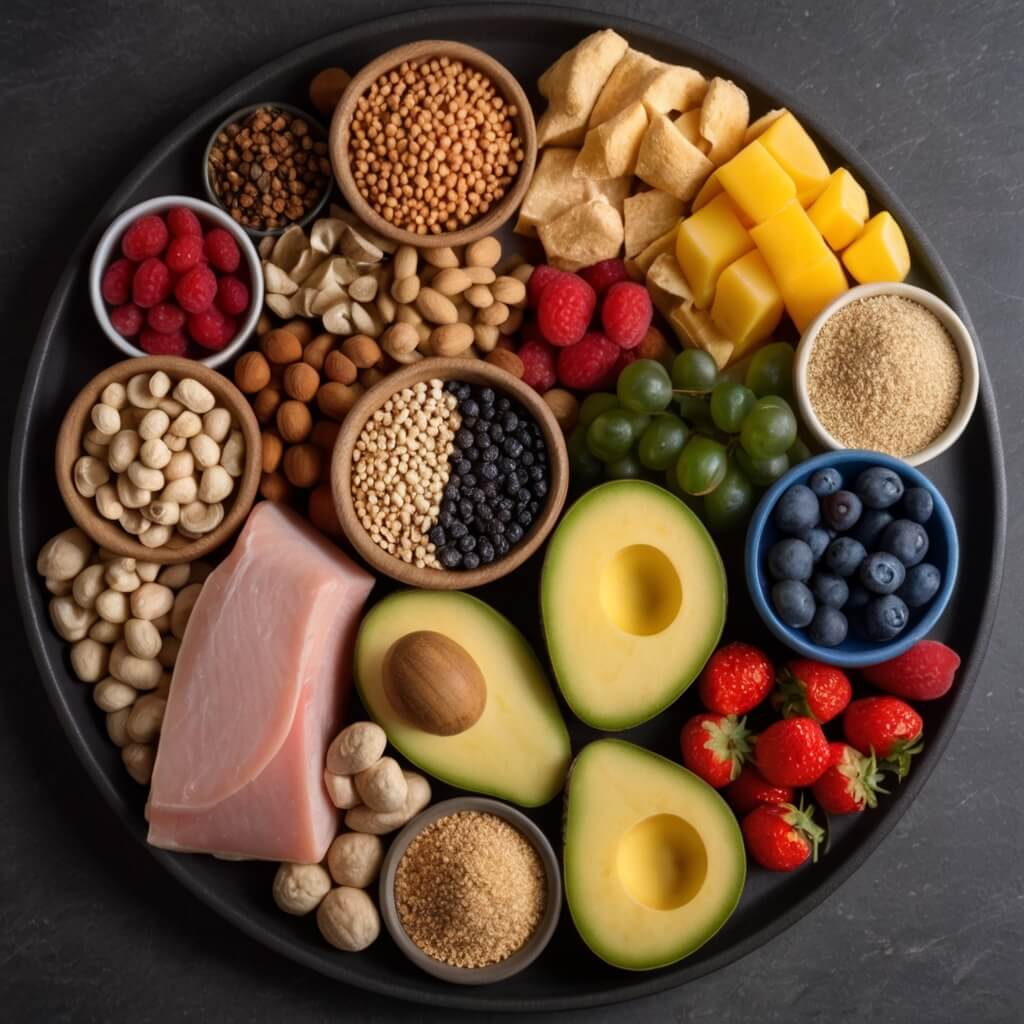
Adopting a balanced approach to your macronutrients can have a big impact on your health, but the real challenge is sticking with it long term. Sustainability is key to making these changes a permanent part of your life. Here’s how to make sure you stay on track while enjoying the process of balancing your proteins, carbs, and fats.
Dramatic changes to your eating habits can be overwhelming. Instead of making a complete overhaul all at once, start small. For example, begin by adjusting one meal per day to include a balanced mix of proteins, carbs, and fats. Once you feel comfortable with this change, you can adjust other meals. Gradual changes allow you to ease into healthier eating without feeling restricted or overwhelmed.
Whole foods—like fruits, vegetables, lean meats, fish, eggs, legumes, nuts, and seeds—are naturally rich in all three macronutrients and come packed with additional vitamins and minerals. Focus on eating these nutrient-dense foods to ensure you’re meeting your macronutrient balance for weight loss and overall health. Processed foods, on the other hand, are often high in unhealthy fats and refined carbs, making it harder to maintain a healthy balance.
One of the easiest ways to ensure you’re eating balanced meals is to plan ahead. Meal prepping helps you stick to your macronutrient goals, especially when you have a busy schedule. Spend time once or twice a week preparing meals that include your desired macronutrient ratio. For example, you could cook a batch of chicken, roast some veggies, and prepare a healthy carb source like quinoa or brown rice. This way, you’ll have ready-made meals that meet your macro needs all week long.
Eating for health doesn’t have to be boring. Find creative ways to make your meals fun and exciting while still hitting your macronutrient targets. Try new recipes, experiment with different spices, and discover new foods that fit your dietary preferences. The more you enjoy what you eat, the easier it will be to stick to your healthy eating plan long-term.
Life isn’t perfect, and neither is your diet. Some days you might eat more carbs or have an extra treat, and that’s okay! Flexibility is an important part of making balanced eating sustainable. Listen to your body’s hunger and fullness cues, and adjust your meals as needed. If you’re feeling sluggish, it could be a sign that you need more healthy fats or proteins in your diet. If you’re feeling energized and strong, it means your macronutrient balance is working for you.
Having a support system can make sticking to your health goals much easier. Whether it’s family members, friends, or an online community, find people who can encourage you and keep you accountable. Sharing your macronutrient goals with others can help you stay motivated and make healthy eating a group effort.
Tracking your macronutrients doesn’t mean you have to be perfect. It’s about progress, not perfection. Focus on how much better you feel as you make healthier food choices and find the right macronutrient balance for weight loss and health. Celebrate small victories, whether it’s losing a few pounds, having more energy, or just feeling good about the food you’re eating.
Sustaining a balanced diet rich in proteins, carbs, and fats is not just about looking good—it’s about feeling good and living a healthy life. By making small, manageable changes, embracing whole foods, and staying flexible, you’ll be on your way to a long-term healthy lifestyle. Keep tracking your macros, listen to your body, and most importantly, enjoy the journey to better health!
Balancing proteins, carbs, and fats is a simple yet powerful way to optimize your health and achieve your goals, whether it’s weight loss, muscle building, or simply feeling more energized. By understanding the role of each macronutrient and how they work together, you can create a personalized eating plan that supports your lifestyle and overall wellness.
Remember, the key to success is finding the right macronutrient balance for weight loss that works for you. Start small, track your progress, and stay consistent. Don’t forget to enjoy the process and make healthy eating an exciting and sustainable part of your daily routine.
Your body deserves the best fuel, and with a little planning, patience, and flexibility, you can reach your goals and maintain lasting health. Keep making mindful choices, listen to your body, and keep thriving with the right balance of proteins, carbs, and fats!
1. What is macronutrient balance?
Macronutrient balance refers to the proper ratio of proteins, carbohydrates, and fats in your diet. A balanced intake of these macronutrients is essential for maintaining energy levels, supporting muscle growth, and achieving weight loss or other health goals.
2. How do I know how much protein, carbs, and fat to eat?
Your ideal macronutrient ratio depends on your goals and activity level. A common starting point for weight loss might be 30% protein, 40% carbs, and 30% fat. You can calculate your needs based on your total calorie intake.
3. Can I lose weight on a high-carb diet?
Yes! The key to weight loss is overall calorie control. While a high-carb diet can still promote weight loss, balancing it with protein and healthy fats ensures you feel full and maintain muscle mass.
4. Why is protein important for muscle building?
Protein is crucial for repairing and building muscle tissue after exercise. It supports muscle recovery, helps prevent muscle loss during weight loss, and boosts metabolism by requiring more energy to digest.
5. How can I track my macronutrients easily?
Using food tracking apps like MyFitnessPal or Cronometer makes it easy to log and track your macros. These apps help you calculate how many grams of protein, carbs, and fats you’re consuming based on your meals and goals


