Physical Address
304 North Cardinal St.
Dorchester Center, MA 02124
Physical Address
304 North Cardinal St.
Dorchester Center, MA 02124
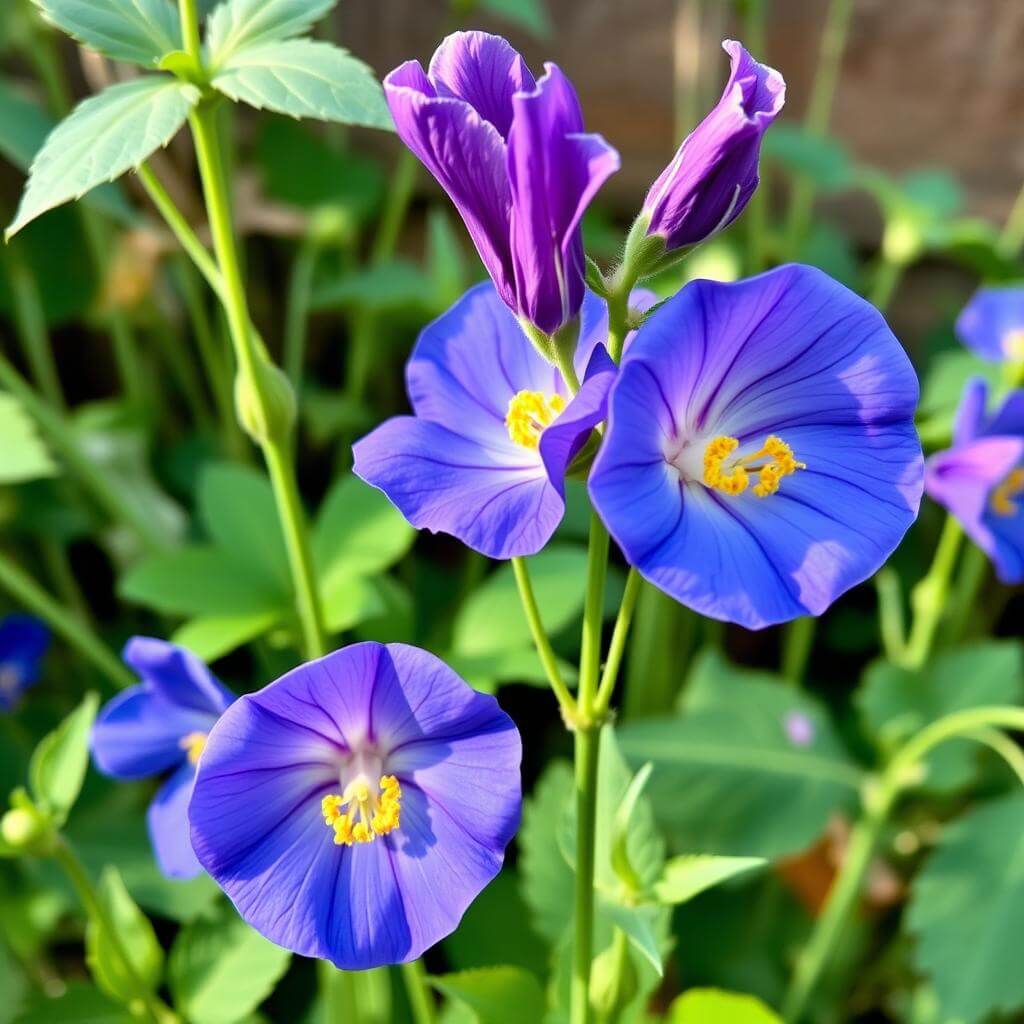
Butterfly Pea Flower Tea, with its mesmerizing blue hue and numerous health benefits, has captured the attention of tea enthusiasts around the world. From its origins and health benefits to brewing tips and flavor enhancements, there’s much to explore about this unique herbal tea.
Butterfly Pea Flower Tea, known for its striking blue hue, is an ancient herbal tea with roots in Southeast Asia. This tea, derived from the vibrant petals of the Clitoria ternatea plant, has gained worldwide recognition not just for its captivating color but also for its myriad health benefits. Traditionally used in Ayurveda and other medicinal practices, Butterfly Pea Flower Tea is rich in antioxidants, making it a popular choice among health enthusiasts and tea lovers alike.
Brewing the perfect cup of Butterfly Pea Flower Tea requires more than just hot water and flowers. The unique properties of the butterfly pea flower, including its delicate flavor and vivid color, can be easily compromised if not handled correctly. The brewing technique plays a crucial role in preserving these characteristics, ensuring that you enjoy not only the aesthetic appeal of the tea but also its full nutritional and therapeutic potential.
The foundation of any good cup of tea is the quality of its ingredients. When it comes to Butterfly Pea Flower Tea, selecting high-quality flowers is paramount. Look for dried flowers that are vibrant in color, as this indicates freshness and potency. Organic options are preferred, as they are free from pesticides and chemicals that could alter the flavor or reduce the tea’s health benefits. Sourcing from reputable suppliers ensures that you receive the purest form of butterfly pea flowers, which will yield a richer and more flavorful brew.
Water is an often-overlooked component in tea preparation, yet it plays a critical role in the final product. For Butterfly Pea Flower Tea, using filtered or spring water is recommended, as it is free from impurities that could affect the tea’s taste. The temperature of the water is equally important; it should be heated to around 200 °F (93 °C). Boiling water can cause the delicate compounds in the flowers to break down, leading to a bitter taste and a duller color. By using water at the right temperature, you can extract the optimal flavor and vibrant blue color from the butterfly pea flowers.
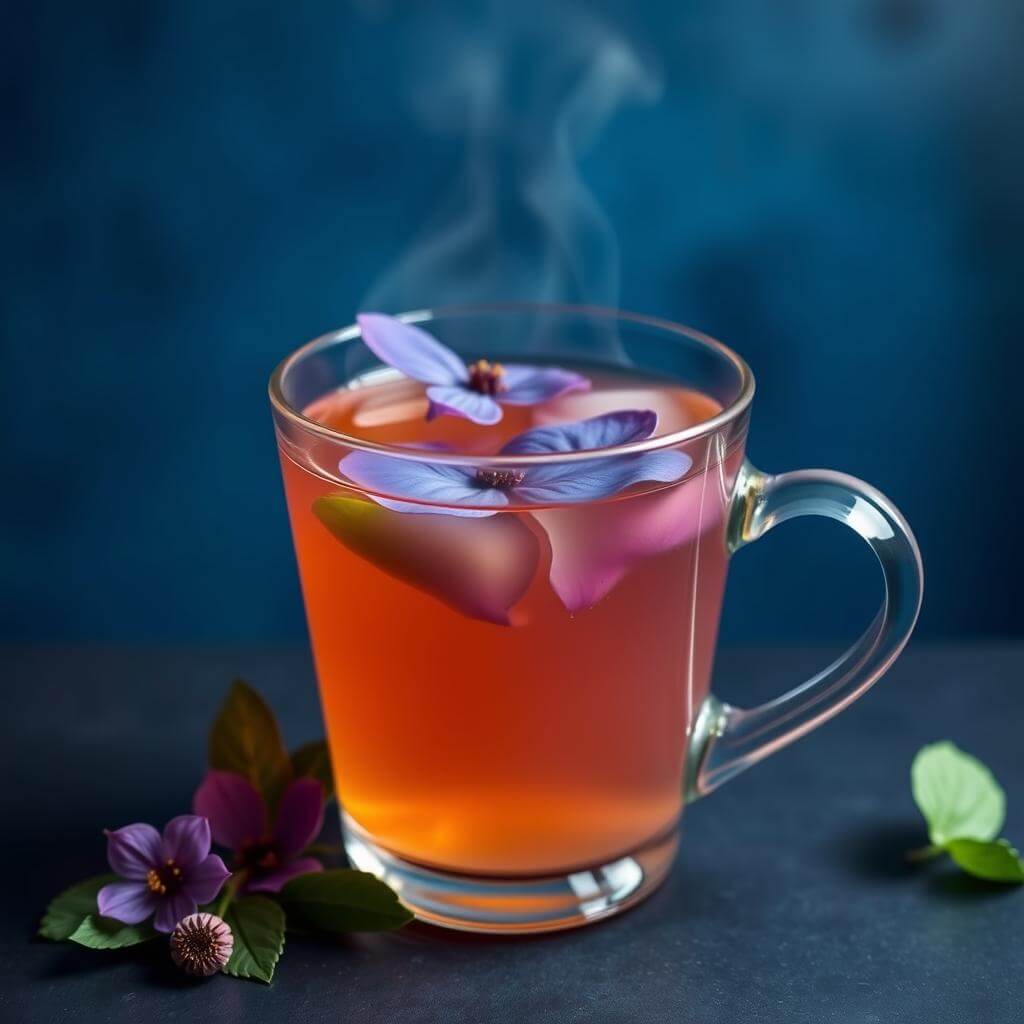
To brew the perfect cup of Butterfly Pea Flower Tea, the first step is to measure the correct amount of flowers. Generally, 1 to 2 teaspoons of dried butterfly pea flowers are sufficient for one cup of tea. This quantity can be adjusted depending on your preference for a stronger or milder brew. A stronger concentration will yield a deeper blue color and a more pronounced flavor, while a lighter brew offers a subtler experience.
Once you have measured your butterfly pea flowers, the next step is to heat your water. As mentioned earlier, water temperature is crucial. Heat the water to approximately 200°F (93°C), just below boiling. You can achieve this by bringing the water to a boil and then allowing it to cool for a minute or two. This ensures that the water is hot enough to extract the vibrant color and beneficial compounds from the flowers without damaging their delicate structure.
With your water at the right temperature, it’s time to steep the butterfly pea flowers. Place the measured flowers into a tea infuser or directly into your teapot. Pour the hot water over the flowers and allow them to steep for 5 to 10 minutes. The longer the steeping time, the deeper and more intense the color and flavor will become. During this process, the water will transform into a brilliant blue hue, a visual indicator that the tea is ready.
One of the most enchanting aspects of Butterfly Pea Flower Tea is its ability to change color. As the flowers steep, the water will turn a vivid blue. For an extra touch of magic, you can add a few drops of lemon juice to your tea. The acidity from the lemon will alter the pH of the tea, causing the blue color to shift to a beautiful shade of purple. This color change not only enhances the visual appeal but also adds a subtle, tangy flavor to the tea.
While Butterfly Pea Flower Tea is delightful on its own, you can enhance its flavor by adding sweeteners and other ingredients. Natural sweeteners like honey or agave syrup complement the floral notes of the tea without overpowering them. If you prefer a more complex flavor profile, consider adding fresh mint leaves, a slice of ginger, or a hint of lemongrass. These additions can provide a refreshing twist and elevate your tea-drinking experience.
Butterfly Pea Flower Tea can be enjoyed both hot and cold, making it a versatile beverage for any season. For a soothing, warm cup, serve the tea immediately after steeping. If you prefer a refreshing cold drink, allow the tea to cool to room temperature, then pour it over ice. This tea also pairs wonderfully with coconut milk, creating a layered beverage where the blue tea and white milk remain distinct until stirred, offering a visually stunning and delicious drink.
Butterfly Pea Flower Tea is not only a visual delight but also a powerhouse of antioxidants. The vivid blue color of the tea comes from anthocyanins, the same compounds found in blueberries and red cabbage. These antioxidants play a crucial role in neutralizing free radicals in the body, which helps to prevent cellular damage and reduce the risk of chronic diseases. Regular consumption of Butterfly Pea Flower Tea can contribute to overall health and wellness by supporting the body’s natural defense mechanisms.
In addition to its antioxidant properties, Butterfly Pea Flower Tea has been traditionally used to enhance cognitive function and alleviate stress. The tea contains compounds that are believed to improve memory and brain function, making it a natural choice for those seeking mental clarity. Furthermore, Butterfly Pea Flower Tea is known for its calming effects, helping to reduce anxiety and promote relaxation. Sipping on a warm cup of this tea can be a soothing ritual to unwind after a long day.
Beyond its cognitive and stress-relief benefits, Butterfly Pea Flower Tea offers a range of other health advantages. It has anti-inflammatory properties that can help reduce inflammation in the body, supporting joint and skin health. The tea is also known to have anti-glycation effects, which may contribute to healthier, more youthful skin by preventing the breakdown of collagen. Additionally, Butterfly Pea Flower Tea is caffeine-free, making it an excellent choice for those looking to reduce their caffeine intake without sacrificing flavor or enjoyment.
Brewing the perfect cup of Butterfly Pea Flower Tea is an art that combines the right ingredients, precise technique, and a touch of creativity. By carefully selecting high-quality flowers, using the correct water temperature, and steeping for the optimal time, you can unlock the full potential of this vibrant and healthful tea.
While this guide provides a step-by-step approach, don’t hesitate to experiment with different flavors and additions to make the tea your own. Whether you prefer a stronger brew, a touch of sweetness, or a hint of citrus, there’s plenty of room for personalization. The beauty of Butterfly Pea Flower Tea lies in its versatility, allowing you to tailor each cup to your taste preferences.
Incorporating Butterfly Pea Flower Tea into your daily routine offers not just a visually stunning beverage but also a host of health benefits. Whether enjoyed hot or cold, plain or enhanced with natural flavors, this tea is a delightful way to support your wellness journey. So, brew a cup, savor the color, and enjoy the myriad benefits that Butterfly Pea Flower Tea has to offer.


