Physical Address
304 North Cardinal St.
Dorchester Center, MA 02124
Physical Address
304 North Cardinal St.
Dorchester Center, MA 02124
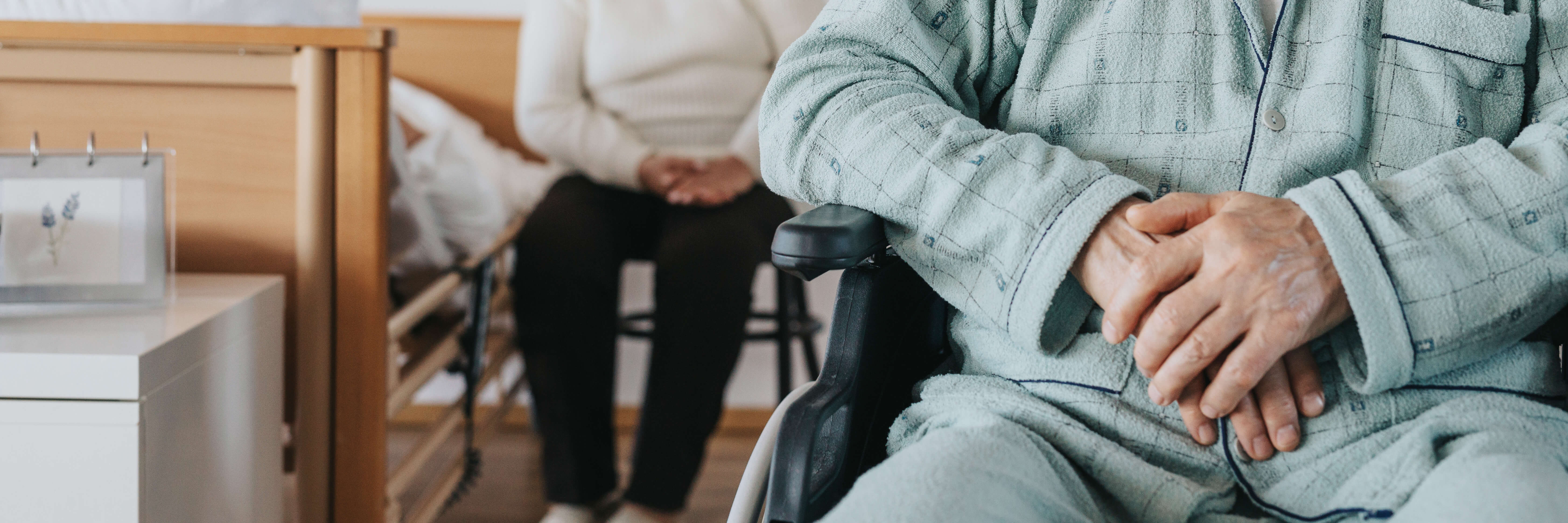
As we navigate the realms of comprehensive personal care for stroke patients, it is imperative to recognize that each individual's journey is unique, demanding a personalized and nuanced approach. By embracing empathy, fostering independence, and promoting holistic well-being, we not only facilitate physical recovery but also pave the path towards emotional resilience and a renewed zest for life.
A stroke can have a devastating impact on a person’s ability to care for themselves. Stroke patients may experience weakness, paralysis, coordination problems, and speech difficulties, all of which can make it difficult to perform basic personal care tasks. Providing comprehensive personal care support is crucial to helping stroke patients regain their independence and live fulfilling lives.
Mobility assistance is a critical aspect of personal care for stroke patients. Stroke can result in varying degrees of mobility impairment, ranging from mild to severe. Caregivers, therapists, and specialized equipment play vital roles in helping stroke patients with mobility issues.
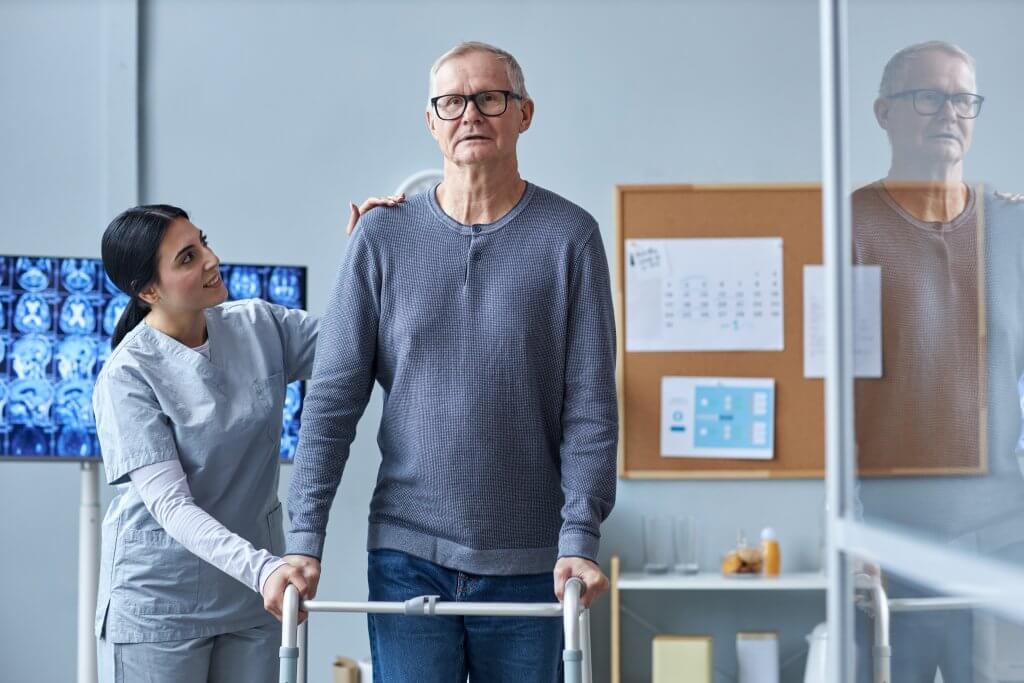
The caregivers provide physical assistance, such as helping patients get in and out of bed, supporting them while walking to the bathroom, or assisting in transferring from a wheelchair to a chair. These activities require patience and skill to ensure the safety and comfort of the patient.
Most therapist, including physical and occupational therapists, offer structured rehabilitation programs tailored to the individual’s needs. These programs help stroke patients regain strength, balance, and coordination, which are essential for mobility. Therapists also teach patients strategies to safely navigate their environment.
To enhance mobility, special equipment such as mobility aids (walkers, canes, wheelchairs), gait belts, and walker attachments, are often used to enhance mobility and stability. These devices help stroke patients regain their independence and confidence while moving around.
Exercise is a cornerstone of stroke recovery. It plays a vital role in improving muscle strength, coordination, and balance, thereby facilitating personal care tasks and overall mobility. Stroke patients can benefit from various types of exercises:
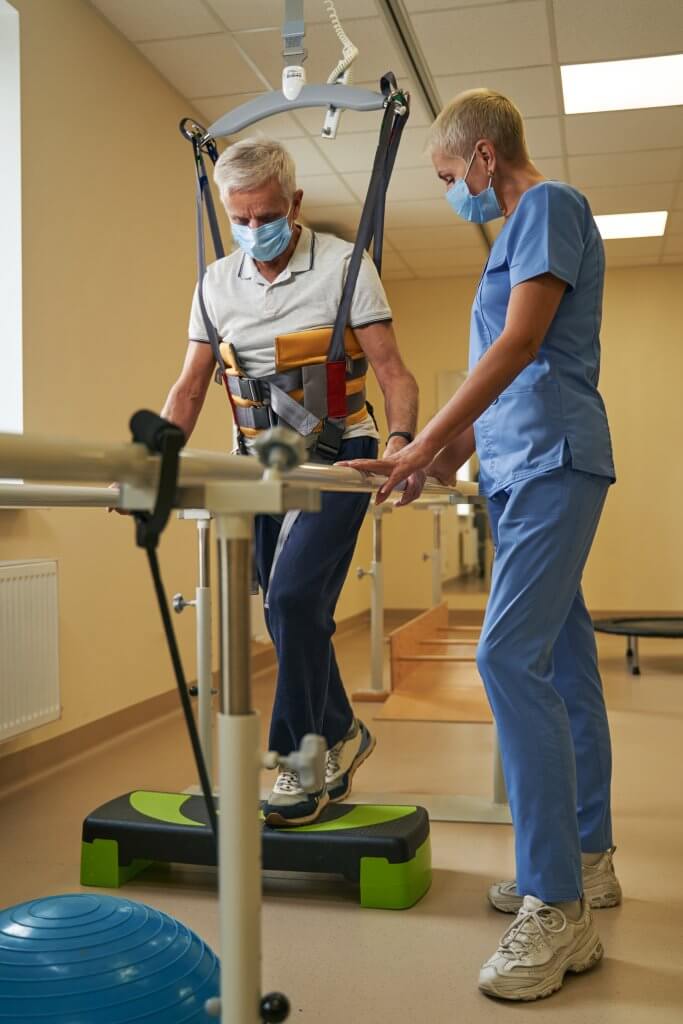
This help rebuild weakened muscles. Patients may use resistance bands or light weights under the guidance of a therapist to gradually increase muscle strength.
Motion exercise will help maintain or restore joint flexibility. These exercises involve gentle movements to prevent joint stiffness and contractures.
These two exercise are supervised by therapists, target specific motor skills to enhance stability and reduce the risk of falls. Primary is: Aerobic exercises, which is adapted to the patient’s abilities, improve cardiovascular health and endurance. These exercises can include walking, stationary cycling, or water aerobics. Regular structured exercise programs not only aid in recovery but also boost confidence and improve the overall well-being of stroke patients.
Rehabilitation therapy is a comprehensive approach to helping stroke patients regain lost skills and adapt to their disabilities. It encompasses various aspects of personal care, including:
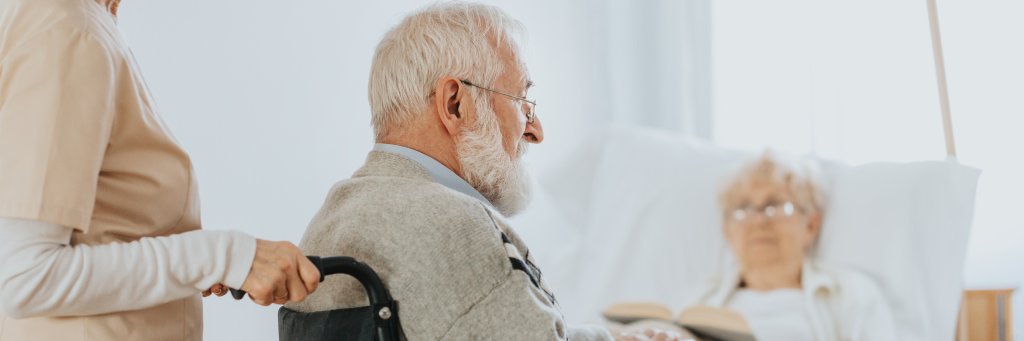
Therapists teach techniques for safe bathing, considering the patient’s physical limitations. Adaptive equipment like shower chairs or handrails can be incorporated to enhance safety.
Stroke patients may struggle with tasks like brushing their teeth, combing their hair, or shaving. Occupational therapists can provide strategies and adaptive tools such as long-handled brushes and mirrors to aid in grooming.
Dressing can be challenging due to weakness or coordination problems. Therapists work with patients to develop methods for independent dressing, and adaptive clothing with features like elastic waistbands and Velcro closures can make dressing easier.
Stroke patients may encounter difficulties while eating and drinking. Therapists can suggest modified diets that are easier to chew and swallow. Additionally, adaptive equipment like raised spoons and weighted cups can assist patients in feeding themselves safely.
Toileting tasks such as getting on and off the toilet, wiping, and flushing can be daunting for stroke patients. Occupational therapists can recommend adaptive equipment like grab bars and raised toilet seats to enhance safety and independence. Rehabilitation is a tailored process that empowers stroke patients to relearn essential daily activities and improve their quality of life.
Some stroke patients may require ongoing assistance with walking, even when using mobility aids like walkers or canes. This support can be provided by caregivers or therapists, and specialized devices may be employed to enhance safety and stability.
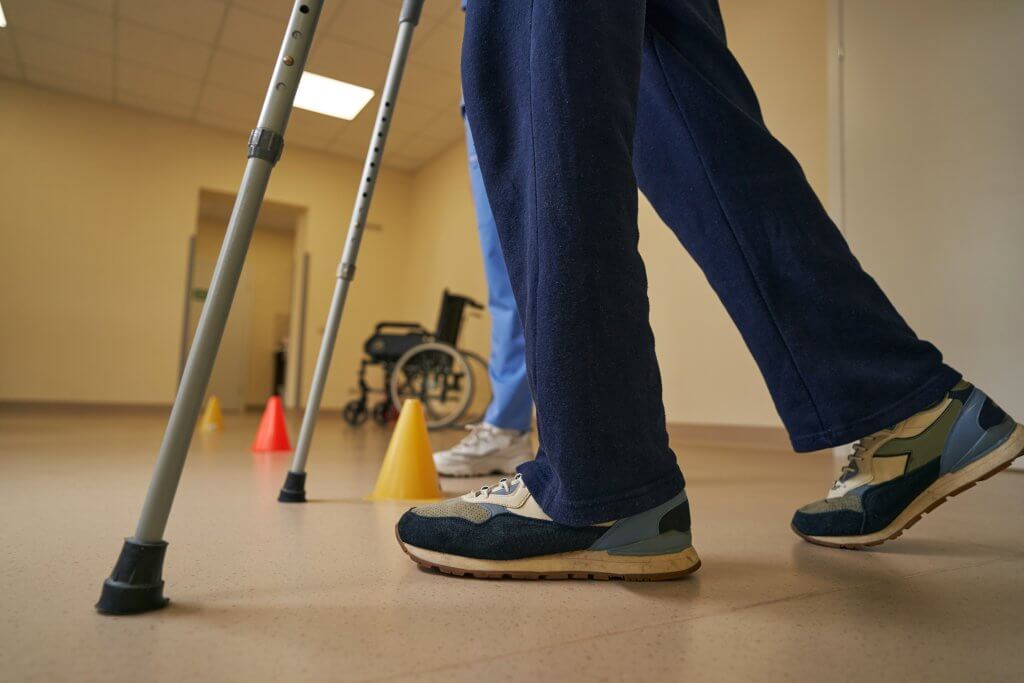
Caregivers and therapists work closely with patients to ensure proper gait patterns, balance, and coordination during walking. They also provide guidance on using mobility aids effectively and safely.
Specialized devices such as gait belts or walker attachments can offer additional support and reduce the risk of falls. These devices are designed to enhance stability and confidence while walking.
Stroke patients often need assistance with various daily living activities due to physical limitations. Caregivers and therapists play crucial roles in aiding stroke patients with these tasks:
Stroke patients may struggle to bathe independently. Caregivers and therapists assist with safe bathing techniques and may recommend adaptive equipment such as shower chairs and handrails.
Tasks like brushing teeth, combing hair, and shaving can be challenging. Caregivers and therapists provide strategies and adaptive tools to simplify grooming routines.
Dressing independently can be difficult due to weakness or coordination issues. Adaptive clothing with features like elastic waistbands and Velcro closures can make dressing more manageable.
Stroke patients may have difficulty eating and drinking. Caregivers and therapists can offer modified diets that are easy to chew and swallow. Adaptive equipment like raised spoons and weighted cups assist in the eating process.
Toileting tasks, such as getting on and off the toilet, wiping, and flushing, may require assistance. Caregivers and therapists recommend adaptive equipment like grab bars and raised toilet seats to improve safety and independence.
Assistance with daily living activities aims to enhance the patient’s quality of life and independence.
Stroke patients may experience speech difficulties or aphasia, making communication challenging. Caregivers can provide valuable support by:
Caregivers should be patient and attentive listeners, allowing stroke patients the time they need to express themselves.
Using simple and clear language facilitates communication. Avoiding jargon and complex phrases helps stroke patients understand and express themselves more effectively.
In some cases, communication aids such as picture boards or alphabet boards may be used to assist stroke patients in expressing their thoughts and needs. Effective communication support fosters a sense of connection and understanding for stroke patients, reducing frustration and improving overall well-being.
Stroke patients may have difficulty eating and drinking due to weakness, paralysis, or coordination problems. This can lead to malnutrition and dehydration. Caregivers can help by offering:
Modified diets that are easy to chew and swallow can ensure that stroke patients receive adequate nutrition.
Raised spoons and weighted cups can assist stroke patients in self-feeding, promoting independence while minimizing the risk of choking. Feeding stroke patients slowly and carefully is essential to prevent aspiration and ensure their nutritional needs are met.
Stroke patients may need help managing their medications, which can be a complex task, especially when taking multiple medications. Caregivers can provide support by:
Setting up a clear medication schedule and keeping it in a visible place helps patients remember to take their medications as prescribed.
The use of pillboxes or weekly pill organizers can assist in ensuring patients take their medications as prescribed.
Stroke can be a stressful and emotional experience. Caregivers can provide emotional support by being patient, understanding, and encouraging patients to talk about their feelings. They can also help patients access support services when needed.
Maintaining independence is crucial for stroke patients. Caregivers can support them by teaching new skills or relearning lost ones, providing adaptive equipment, and encouraging participation in enjoyable activities.
By offering comprehensive personal care support, including mobility assistance, exercises, rehabilitation, assisted walking, daily living activities, communication support, nutrition and feeding, medication management, emotional support, and fostering independence, caregivers play a vital role in helping stroke patients regain their independence and improve their overall quality of life.
Citations:
[1] National Stroke Association. “Stroke and mobility.” [Online] Available at: https://www.stroke.org/en/. Accessed on September 30, 2023.
[2] Stroke Foundation Australia. “Mobility after stroke.” [Online] Available at: https://strokefoundation.org.au/what-we-do/for-survivors-and-carers/after-stroke-factsheets/mobility-and-exercise-after-stroke-fact-sheet. Accessed on September 30, 2023.
[3] American Heart Association. “Exercise and stroke recovery.” [Online] Available at: https://www.stroke.org/en/life-after-stroke/recovery/exercise. Accessed on September 30, 2023.
[4] Stroke Association UK. “Rehabilitation after stroke.” [Online] Available at: https://www.stroke.org.uk/. Accessed on September 30, 2023.
[5] Mayo Clinic. “Walking after stroke.” [Online] Available at: https://www.webmd.com/stroke/walking-mobility-after-stroke. Accessed on September 30, 2023.
[6] American Physical Therapy Association. “Assistive devices for walking.” [Online] Available at: https://learningcenter.apta.org/products/geriatrics-assistive-devices-adaptive-equipment-orthotics-and-wheeled-mobility-for-the-older-adult. Accessed on September 30, 2023.
[7] National Stroke Association. “Daily living activities after stroke.” [Online] Available at: https://www.flintrehab.com/activities-of-daily-living-after-stroke/. Accessed on September 30, 2023.
[8] Stroke Association UK. “Independent living after stroke.” [Online] Available at: https://www.stroke.org.uk/life-after-stroke. Accessed on September 30, 2023.
[9] Personal addition
[10] Personal addition


