Physical Address
304 North Cardinal St.
Dorchester Center, MA 02124
Physical Address
304 North Cardinal St.
Dorchester Center, MA 02124

The gut-brain axis is a complex bidirectional communication system that links the central nervous system (CNS) with the enteric nervous system (ENS) in the gastrointestinal tract. It’s responsible for sending signals between your gut and brain via the vagus nerve, hormones, and immune responses.
This axis allows the trillions of bacteria in your gut—collectively known as the microbiome—to influence brain function. It’s not science fiction; it’s science fact.
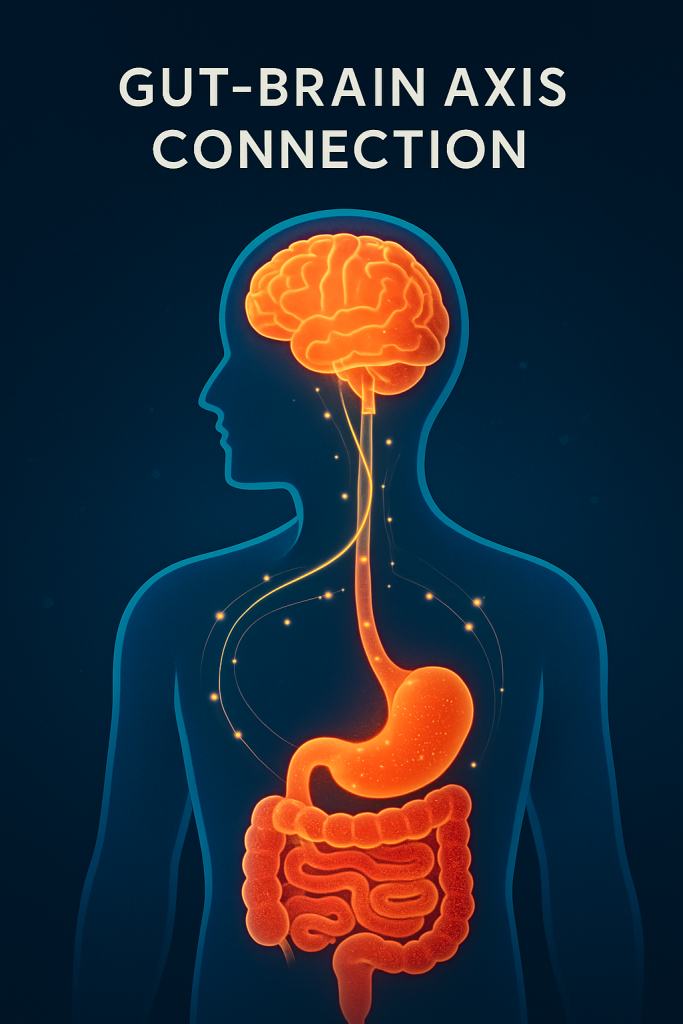
Your gut microbiome plays a key role in regulating neurotransmitters like dopamine, GABA, and serotonin. These chemical messengers affect how we feel, make decisions, and concentrate. When your gut flora is diverse and balanced, it supports a healthy emotional and cognitive state.
However, an imbalance—called dysbiosis—can lead to increased inflammation and changes in neurotransmitter production, contributing to depression, anxiety, and poor concentration.
Studies on probiotics and mood have found that supplementing with specific strains such as Lactobacillus helveticus and Bifidobacterium longum may reduce symptoms of anxiety and improve stress resilience. These probiotics help restore the gut environment, indirectly enhancing emotional balance and mental sharpness.
Inflammation is a key player in both gut and brain dysfunction. When the gut lining becomes permeable—a condition often referred to as “leaky gut”—toxins and undigested food particles can enter the bloodstream. This triggers systemic inflammation that can affect the brain, leading to symptoms like mental fatigue, forgetfulness, and reduced cognitive flexibility.
This gut-originating inflammation disrupts neural pathways and contributes to neuroinflammation, which is associated with cognitive decline and mood disorders.
Several studies now link the composition of the gut microbiome with cognitive functions such as memory, attention span, and problem-solving. For example, a 2020 study published in Nature Microbiology showed that certain bacterial strains were correlated with improved executive function and information processing speed.
The microbiome and cognition relationship suggests that nurturing a healthy gut may be a natural and effective way to support brain performance—without relying solely on stimulants or medications.
Perhaps one of the most powerful links between gut health and mental clarity is serotonin. Roughly 90% of your body’s serotonin is produced in the gastrointestinal tract. While gut-derived serotonin doesn’t directly cross the blood-brain barrier, it still influences mood by signaling to the brain through the vagus nerve and by affecting the immune system and inflammatory pathways.
The serotonin gut link makes it clear: a poorly functioning gut can disturb the body’s ability to regulate mood, while a well-functioning gut helps foster emotional resilience and clear thinking.
When your gut is out of balance, your brain is often one of the first places to feel the impact. Poor gut health can manifest in subtle yet persistent ways that interfere with your ability to think clearly, regulate your mood, and maintain emotional resilience. Understanding these warning signs is crucial for identifying when your gut needs attention and how to intervene before things worsen.
One of the most common—and frustrating—signs of poor gut health and mental clarity issues is brain fog. This condition is marked by forgetfulness, slow thinking, and difficulty focusing. While it might seem purely cognitive, the root cause often lies in the gut.
An imbalanced gut microbiome can increase systemic inflammation and impair the production of neurotransmitters like serotonin, dopamine, and GABA. These chemicals are essential for mental sharpness, memory retention, and problem-solving. When they’re disrupted, your mind feels sluggish and unfocused.
Leaky gut syndrome—a condition where the gut lining becomes permeable—can also allow toxins to enter the bloodstream and reach the brain. These endotoxins contribute to neuroinflammation, which further clouds cognition and weakens mental stamina.
If you regularly feel like you’re walking through mental molasses, it may be time to look inward—specifically, into your gut.
Your gut health and mental clarity are deeply tied to emotional stability. Anxiety, mood swings, irritability, and even symptoms of depression often stem from gut dysfunction. Scientists refer to the gut-brain axis to describe this two-way communication between your gastrointestinal tract and your central nervous system.
Here’s how it works: your gut microbes influence the production and regulation of key mood-related neurotransmitters. In fact, over 90% of serotonin—the “feel-good” hormone—is made in the gut. When the microbiome is unbalanced, serotonin levels can dip, leading to low mood, worry, and irritability.
Additionally, bad gut bacteria can trigger chronic inflammation and hormonal imbalances, making emotional regulation even more difficult. People with IBS or inflammatory bowel diseases often report co-occurring anxiety or depressive symptoms—a reflection of the microbiome’s powerful impact on mental health.
If you’re experiencing sudden shifts in mood or unexplained anxiety, supporting your gut could help restore emotional balance.
While digestive symptoms may seem separate from cognitive issues, they often occur alongside poor mental clarity. Bloating, gas, constipation, or loose stools can indicate microbial imbalance, food intolerances, or inflammation—all of which affect brain performance through the gut-brain axis.
Gas-producing bacteria, for example, may dominate when fiber intake is low or sugar intake is high. These imbalances can lead to fermentation in the gut, increasing pressure and bloating. Simultaneously, these microbes can release compounds that interfere with your body’s stress response and neurological function.
Persistent digestive distress can also disrupt sleep, increase fatigue, and drain cognitive resources—further compounding the negative cycle between gut health and mental clarity.
Even if your mental health symptoms feel mild, digestive symptoms shouldn’t be ignored. They are often the first and most obvious red flag that your gut needs healing.
Poor gut function can directly reduce your energy levels. When your body struggles to digest food or absorb nutrients efficiently, it lacks the fuel required to maintain mental focus and emotional resilience. This can result in chronic fatigue, low motivation, and difficulty staying engaged in daily activities.
The microbiome also influences energy metabolism. Certain bacteria help convert food into energy more efficiently, while others may cause energy dips by triggering immune responses or insulin fluctuations.
If you’re getting adequate sleep but still feel mentally and physically drained, your gut could be to blame. Rebalancing your gut flora can support consistent energy production and improve your ability to stay focused and upbeat.
Believe it or not, your skin can reflect what’s happening in your gut. Conditions like eczema, acne, and rosacea often accompany gut dysbiosis and may correlate with poor mental clarity and mood instability. This is known as the gut-skin-brain axis.
Inflamed or “leaky” guts may allow inflammatory molecules to circulate, worsening skin flare-ups and promoting neuroinflammation at the same time. These skin concerns can also affect self-esteem and stress levels, creating a feedback loop that exacerbates both gut and mental symptoms.
While topical treatments may offer short-term relief, addressing gut health is often the key to long-term improvement—for both skin clarity and mental sharpness.
Craving sugar constantly? That may be your gut microbes talking. An overgrowth of pathogenic bacteria and yeast like Candida can drive strong sugar cravings, which in turn feed these organisms and perpetuate gut imbalance.
Blood sugar spikes from refined carbs can also lead to a rollercoaster of energy and mood shifts—anxiety, irritability, and fogginess included. These rapid shifts can impair attention span and disrupt hormonal balance, further blurring the connection between gut health and mental clarity.
Balancing your gut microbiome helps stabilize cravings and creates a more level, focused emotional state throughout the day.

Enhancing gut health and mental clarity doesn’t require extreme diets or overwhelming routines. Instead, it’s about making consistent, science-backed food choices and incorporating holistic lifestyle habits that support both digestive and cognitive function. The gut-brain connection is a two-way street, and when we nourish one, we naturally uplift the other. Below are the key pillars of food and lifestyle habits that can lead to a more balanced gut and a brighter, clearer mind.
One of the most effective ways to improve gut health and mental clarity is by consuming foods rich in probiotics. These beneficial microorganisms help maintain microbial diversity in the gut, which is crucial for producing neurotransmitters and reducing inflammation—both of which impact focus, mood, and memory.
Some of the best probiotic foods include:
These foods don’t just aid digestion; they modulate brain chemicals like GABA and serotonin, crucial for stress response and emotional balance. For best results, rotate a variety of these fermented foods into your weekly meals. Choose raw, unpasteurized versions with live cultures whenever possible to ensure active probiotics are present.
By incorporating probiotic foods into your daily diet, you directly support microbial equilibrium—a key factor in gut health and mental clarity.
Probiotics may be the “seeds” of a healthy gut, but prebiotics are the “fertilizer.” Prebiotics are non-digestible fibers that selectively feed beneficial bacteria, allowing them to thrive and crowd out harmful species. When these bacteria flourish, they produce compounds that affect brain function, including short-chain fatty acids and neurotransmitter precursors.
Top prebiotic-rich foods include:
Including these foods regularly can increase serotonin production in the gut—a critical hormone involved in mood regulation, sleep, and even motivation. In fact, nearly 90% of serotonin is produced in the gut, highlighting the importance of a healthy microbiome in emotional and mental well-being.
Make it a habit to include at least one prebiotic source with every meal. You might start your day with oatmeal and bananas, enjoy a lentil salad with onions for lunch, and cook dinner with leeks or garlic. Supporting your gut’s “good guys” is a simple and powerful step toward sustained gut health and mental clarity.
Chronic inflammation is one of the hidden disruptors of gut function and brain performance. Inflammatory foods can damage the gut lining, leading to increased intestinal permeability (aka “leaky gut”), which allows toxins and pathogens to enter the bloodstream. This systemic inflammation can impair cognition, lower mood, and increase fatigue.
To fight this, focus on an anti-inflammatory eating pattern that includes:
Just as important as what you include is what you exclude. Avoid or significantly reduce refined sugars, processed meats, hydrogenated oils, and artificial additives. These not only trigger inflammation but also disrupt your gut microbiome, leading to poor digestion and mental sluggishness.
Adopting an anti-inflammatory diet doesn’t mean restriction—it means real, vibrant, nutrient-dense food that powers both your gut health and mental clarity.
Water is a foundational component of both digestion and brain function. Inadequate hydration can slow down gastrointestinal motility, leading to constipation and the buildup of waste products. These waste products can create a toxic environment in the gut, which often translates into mental fog, irritability, and poor concentration.
Aim for at least eight 8-ounce glasses of water per day, more if you are active or live in a hot climate. Hydration helps:
Start your morning with a full glass of water and continue to sip throughout the day. If plain water feels boring, infuse it with lemon, cucumber, or mint. Herbal teas like chamomile and peppermint also support digestion and calm the nervous system, complementing your gut-brain wellness goals. Optimal hydration is one of the simplest and most overlooked keys to better gut health and mental clarity.
Exercise doesn’t just tone your muscles—it nurtures your microbiome. Physical activity stimulates peristalsis (the rhythmic contractions that move food through your intestines), reducing bloating and promoting regularity. It also increases blood flow to the digestive tract and enhances the production of BDNF (brain-derived neurotrophic factor), which supports cognitive health.
Regular movement:
Whether it’s a daily walk, a morning yoga flow, or high-intensity interval training, aim for 30–60 minutes of movement at least five days a week. Even light movement after meals—like a 10-minute stroll—can aid digestion and improve blood sugar balance, both essential for brain performance.
An active lifestyle goes hand-in-hand with gut health and mental clarity. It’s one of the few interventions that benefits the entire gut-brain system in both the short and long term.
Stress is a major disruptor of the gut-brain axis. When chronic stress hits, the body produces excess cortisol, which can break down the gut lining and disrupt microbial balance. This can lead to symptoms like anxiety, irritability, and mental fatigue.
Combat stress by practicing:
Even short, 5-minute daily practices have been shown to reduce cortisol levels and restore gut equilibrium. Pair these with supportive self-talk and community connection to build emotional resilience.
By managing stress intentionally, you strengthen your gut-brain loop and reinforce a state of calm clarity in both body and mind.
Sleep is a critical regulator of the microbiome and mental function. During deep sleep, the body carries out cellular repair, hormone balancing, and microbial reorganization in the gut. Without sufficient rest, the delicate rhythm between the brain and gut becomes disrupted.
To improve sleep and support gut health:
If your sleep is inconsistent or poor in quality, you may notice increased cravings, brain fog, irritability, and sluggish digestion. Prioritizing sleep is one of the most powerful and underestimated strategies to align your gut health and mental clarity.
While medications like antibiotics and NSAIDs (nonsteroidal anti-inflammatory drugs) are sometimes necessary, overuse can be harmful to your gut flora. These drugs can wipe out beneficial bacteria, opening the door to imbalance and inflammation that negatively affect cognition and emotional health.
When prescribed these medications:
Ask your healthcare provider about gut-friendly alternatives or supplements that may help mitigate side effects. Being proactive about medication management supports long-term gut health and mental clarity.s and fiber.
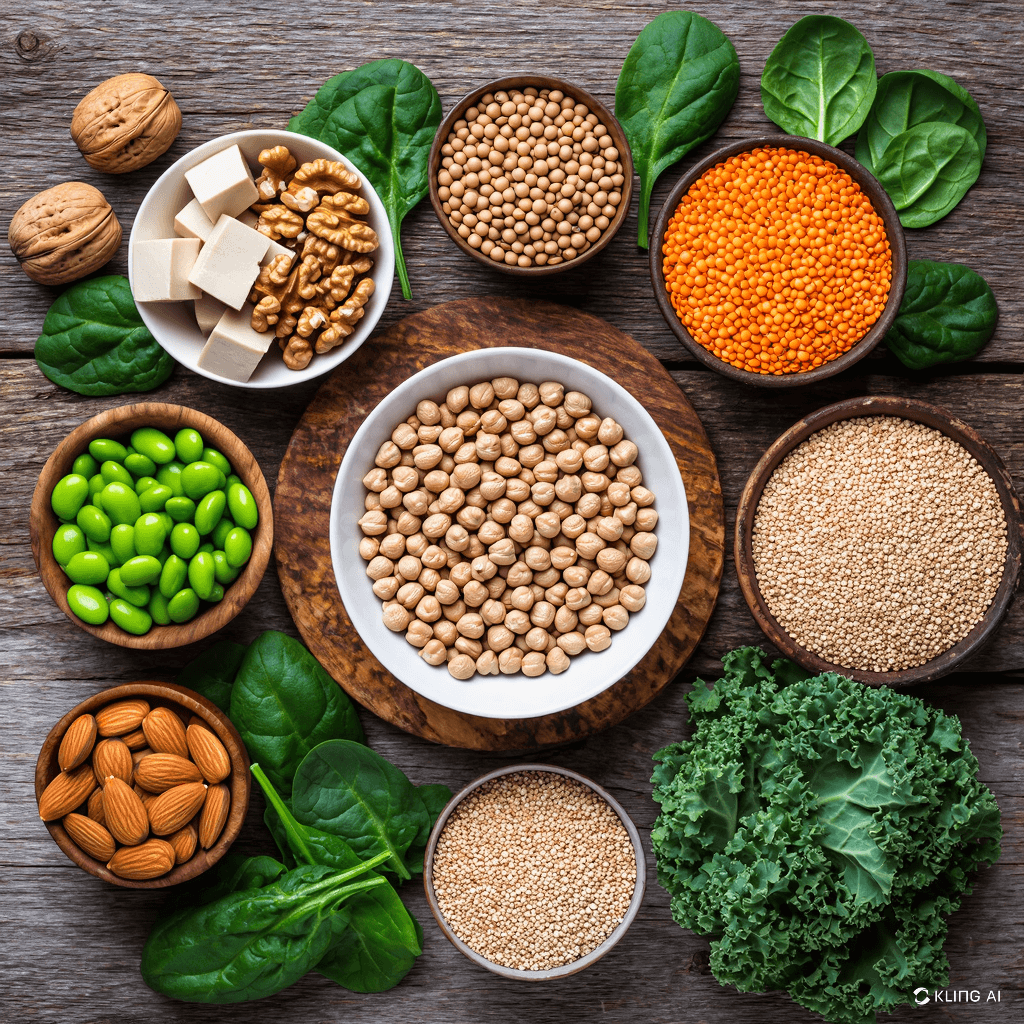
Improving gut health for mental clarity and mood enhancement isn’t an overnight fix—it’s a progressive journey rooted in consistent habits. A well-functioning gut nurtures brain health through the gut-brain axis, improving everything from emotional regulation to sharp cognitive performance. If you’re struggling with brain fog, poor concentration, or mood swings, healing your gut may be the critical step toward regaining balance. Here’s how to approach it strategically.
A major step in repairing the gut for better mood and mental clarity is incorporating fermented foods into your daily routine. These foods are rich in probiotics, which directly feed the gut microbiome—our internal ecosystem of beneficial bacteria that communicates with the brain via the gut-brain axis.
Fermented foods like sauerkraut, kimchi, miso, kefir, yogurt, and kombucha deliver naturally occurring strains of bacteria that may boost neurotransmitter production, such as serotonin and GABA, both linked to emotional well-being. By enhancing microbial diversity, they improve gut lining integrity and reduce inflammation—key factors influencing cognitive clarity and mood stability.
Start with small servings, especially if your gut is compromised, to minimize bloating or digestive discomfort. Gradually increase intake over a few weeks to allow your body to adjust. Even one to two tablespoons per day of fermented vegetables can make a measurable difference. Always choose options with live cultures and minimal added sugars.
In the long term, fermented foods can be one of the easiest and most accessible tools to enhance gut health and mental clarity, serving as daily nourishment for both your digestion and cognition.
Dietary fiber plays a foundational role in feeding your gut microbes, especially the ones involved in producing short-chain fatty acids (SCFAs) like butyrate, which support the gut lining and reduce brain inflammation. In turn, this boosts neurotransmitter efficiency and contributes to sharper focus and balanced emotions.
Aim to consume at least 25 to 30 grams of fiber per day, primarily from whole foods like avocados, berries, lentils, oats, chia seeds, broccoli, apples, and carrots. Soluble fiber is particularly effective—it acts as prebiotic fuel that enhances microbial function. Insoluble fiber also aids regularity, helping to eliminate toxins that could otherwise disrupt gut-brain communication.
Blending fiber from diverse sources ensures your microbiome receives a broad spectrum of nourishment. Try combining resistant starches like cooked and cooled rice or potatoes with greens and legumes in your meals. Avoid ultra-processed foods that often contain emulsifiers and artificial ingredients known to damage the gut lining.
When your fiber intake is consistent, you’ll likely notice improvements in your digestion, energy levels, and attention span within a few weeks. This makes a high-fiber diet a core component of restoring gut health and mental clarity.
Certain foods, even those considered healthy, can trigger low-grade inflammation in the gut, impairing its ability to function optimally. This inflammation can travel through the bloodstream to the brain, disrupting focus, memory, and emotional regulation. To enhance gut health and mental clarity, it’s vital to identify these triggers through short-term elimination.
Common culprits include gluten, dairy, soy, refined sugar, seed oils, and alcohol. By removing these from your diet for 21–30 days, you give your gut lining time to heal and reduce systemic inflammation. Once the trial period ends, you can reintroduce items one at a time and track how your body and brain respond.
While food sensitivities differ from person to person, many report significant improvement in mood stability, reduction in brain fog, and clearer thinking after eliminating inflammatory foods. Pair this with anti-inflammatory foods like turmeric, ginger, and leafy greens to accelerate healing.
Remember, the goal isn’t necessarily to eliminate these foods forever, but to become aware of how they impact your body. This kind of nutritional mindfulness supports long-term gut health and mental clarity by fostering a more personalized and intentional relationship with food.
Sleep may seem unrelated to digestion, but it’s actually a cornerstone of gut health and mental clarity. Poor sleep disrupts the circadian rhythm of gut microbes, lowering microbial diversity and increasing permeability in the gut lining—also known as “leaky gut.” This can lead to brain fog, irritability, and memory lapses.
Aim for 7–9 hours of uninterrupted sleep per night, and stick to a regular sleep-wake cycle—even on weekends. To improve sleep quality, reduce exposure to blue light in the evening by turning off screens an hour before bed and using amber glasses or screen filters. Create a cool, dark, and quiet sleep environment to enhance melatonin production and microbial harmony.
Studies show that just one night of poor sleep can shift microbial populations in the gut. Over time, these disruptions can accumulate and alter mood, decision-making, and attention span. Conversely, quality sleep supports parasympathetic nervous system activity, which boosts digestion, detoxification, and neurotransmitter synthesis.
Incorporating good sleep hygiene into your daily routine fortifies both your gut lining and your mental sharpness, making it one of the most powerful non-dietary tools for supporting gut health and mental clarity.
Mindfulness practices like meditation, breathwork, yoga, or journaling can profoundly influence the gut-brain axis. When practiced regularly, they help regulate the vagus nerve, which governs communication between the gut and the brain. Enhanced vagal tone is associated with reduced inflammation, improved digestion, and greater emotional resilience.
Stress can deplete beneficial gut bacteria and increase cortisol levels, both of which contribute to anxiety, fatigue, and cognitive cloudiness. By practicing mindfulness, you activate the relaxation response, lower systemic inflammation, and create a more hospitable environment for healthy gut flora.
Start small—five minutes of deep breathing each morning or a 10-minute walk in nature can create a noticeable shift. Over time, increase the duration or combine multiple techniques into your daily routine. Apps like Insight Timer or Headspace can guide you through structured meditations geared toward stress relief and gut healing.
Mindfulness may not involve food or supplements, but its effect on gut health and mental clarity is just as tangible. It’s a free, accessible, and science-backed way to cultivate harmony between the body and mind.

While food is foundational, supplements can offer targeted support to accelerate your gut healing journey. Probiotic strains like Lactobacillus rhamnosus, Bifidobacterium bifidum, and Saccharomyces boulardii have been shown to support mood regulation, reduce inflammation, and enhance microbial diversity.
When selecting a probiotic, choose one with multiple clinically studied strains, high CFU counts (10–50 billion), and a delivery system that ensures survivability through the digestive tract. Consider rotating strains every few months to encourage broader colonization.
In addition to probiotics, L-glutamine can help repair the gut lining, zinc carnosine supports mucosal healing, and magnesium aids bowel regularity and nervous system relaxation. Always consult with a healthcare provider or functional medicine practitioner before starting any new supplement regimen.
Keep in mind that supplements should complement—not replace—a whole-food diet and lifestyle changes. When used correctly, they provide an additional layer of support that reinforces your path toward better gut health and mental clarity.
Gut health and mental clarity are undeniably linked through a complex but powerful gut-brain connection. When your microbiome thrives, it supports sharper cognition, emotional resilience, and overall brain performance. But when gut imbalance occurs, the effects ripple into your mood, focus, and energy levels. The good news? With consistent lifestyle shifts—like eating probiotic and prebiotic foods, reducing inflammation, and managing stress—you can reclaim mental clarity and feel better from the inside out.
Improving gut health is not an overnight fix, but it is a deeply rewarding process that begins with awareness and simple, sustainable choices. Whether you’re dealing with brain fog, anxiety, or chronic bloating, your gut may be the missing piece. Prioritizing the gut-brain axis now can pay off in clearer thoughts, a lighter mood, and long-term mental well-being.
Does leaky gut affect memory?
Yes. Leaky gut allows toxins to enter the bloodstream, leading to systemic inflammation that can impair cognitive function. Many people with leaky gut report memory problems, brain fog, and reduced focus.
What are the best probiotics for anxiety?
Research supports the use of Lactobacillus helveticus, Bifidobacterium longum, and Lactobacillus rhamnosus for reducing anxiety. These strains help regulate neurotransmitters, lower inflammation, and improve gut integrity.
Can improving gut health eliminate brain fog?
In many cases, yes. A balanced gut can reduce inflammation, enhance nutrient absorption, and support neurotransmitter production—all essential for mental clarity.
How long does it take to heal the gut?
Gut healing can take weeks to months, depending on the severity of dysbiosis. Consistency in diet, sleep, and lifestyle habits is key.
Your mental clarity and emotional balance are deeply influenced by your gut health. By understanding the gut-brain axis, adopting a probiotic-rich diet, and making simple lifestyle changes, you can support both cognitive function and emotional well-being.
Prioritize your gut—and your mind will thank you.


