Physical Address
304 North Cardinal St.
Dorchester Center, MA 02124
Physical Address
304 North Cardinal St.
Dorchester Center, MA 02124

From the latest research on the top herbal remedies for better sleep and effective insomnia relief using calming teas to soothing supplements... Discover natural treatments that can enhance your sleep quality and help you achieve restful nights.
A good night’s sleep is crucial for your health, but insomnia often gets in the way. While medications can help, many people prefer natural solutions. Herbal remedies offer a gentler approach to improving sleep quality.
This post covers the top herbal remedies for better sleep and insomnia relief. We’ll explore well-known herbs like valerian root and chamomile, as well as lesser-known options like passionflower and ashwagandha. By the end, you’ll have a variety of natural tools to help you achieve a restful night.
Using herbal remedies for sleep is becoming more popular. Many people prefer them over pharmaceutical options due to their natural origin and fewer side effects. Let’s dive into how these natural solutions can be a great addition to your sleep routine.
One of the main reasons people choose herbal remedies is because they often come with fewer side effects compared to prescription medication. Unlike sleeping pills, which can sometimes cause dizziness, dependency, or grogginess the following day, herbal remedies usually have minimal to no side effects. For instance, valerian root has been shown to assist with sleep without causing a morning hangover.
Herbs are natural substances, often derived from plants, that pose less risk of toxicity. Various herbs, like chamomile and lavender have been used for centuries to promote relaxation and sleep. These plants contain compounds that can help calm the nervous system, making it easier to fall asleep naturally.
Herbal remedies offer a holistic approach to wellness. They not only target sleep issues but also promote overall health. For example, ashwagandha helps reduce stress, which is a common cause of insomnia. A less stressed body can naturally find a better sleep pattern, highlighting the interconnectedness of body and mind.
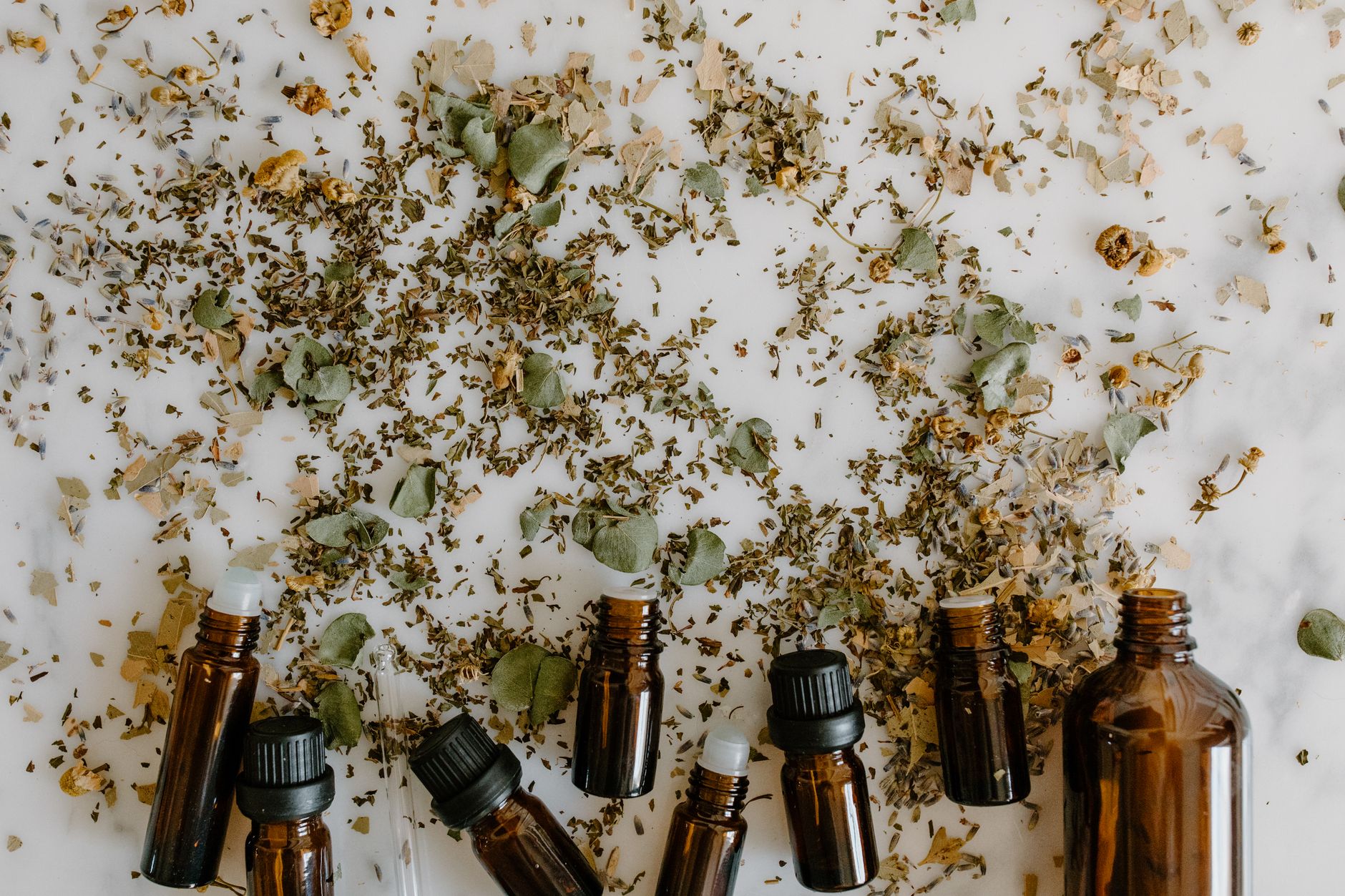 Photo by Tara Winstead
Herbal sleep aids are widely available and don’t require a prescription. You can find them at your local health store or even online. Teas, tinctures, and capsules are some of the of the popular forms these herbs come in, offering you convenient options to suit your preference. Chamomile tea, for example, is a delightful evening drink that can support your sleep cycle.
Often, herbal remedies can be more cost-effective than their pharmaceutical counterparts. Over-the-counter sleep aids can be expensive and might not be covered by insurance. Herbal options, on the other hand, are typically more affordable, making them accessible for many.
Another benefit is the variety of options available, allowing you to find what works best for you. Valerian root, passionflower, and lemon balm are just a few examples, and each has unique properties that can address different aspects of sleep issues.
These are just some of the many benefits of using herbal remedies for sleep. The natural world offers a treasure trove of options that are both effective and gentle on the system, making it easier for you to find your peaceful slumber.
Many people struggle with getting a good night’s sleep. Fortunately, there are several herbal remedies that can help. These natural solutions are popular for their effectiveness and fewer side effects compared to pharmaceutical options. Below, we’ll explore some of the top herbal remedies you can try for better sleep and insomnia relief.
Chamomile has been used for centuries to promote relaxation and aid sleep. This daisy-like plant is known for its mild sedative effects, thanks to an antioxidant called apigenin. Apigenin binds to receptors in your brain that help initiate sleep, making it easier to drift off. Chamomile is most commonly consumed as a tea, but you can also find it in capsules or tinctures.
 Photo by Nataliya Vaitkevich
Valerian root has a rich history of use for sleep disorders, dating back to ancient Greece and Rome. It acts on the central nervous system by increasing levels of a neurotransmitter called GABA, which has calming effects. Scientific evidence supports valerian root’s ability to not only help you fall asleep faster but also improve sleep quality.
Lavender is well-known for its soothing fragrance and is often used in aromatherapy to promote relaxation and sleep. It can be used in various forms like essential oils, sprays, or even dried flowers. Studies have shown that inhaling lavender can improve sleep quality and help you wake up feeling refreshed.
 Photo by Artem Beliaikin
Passionflower is another herb that is highly effective for sleep and relaxation. It works by increasing GABA levels in the brain, resulting in a calming effect. Passionflower is often used in combination with other herbs like valerian for a more potent sleep aid.
Ashwagandha is an adaptogen, which means it helps your body manage stress. Reducing stress is crucial for better sleep, and ashwagandha has been shown in studies to improve sleep quality and reduce insomnia. It works by regulating the levels of cortisol, the stress hormone, in your body.
Lemon balm is effective for both sleep and anxiety relief. This herb enhances mood and promotes a sense of calm, making it easier to fall asleep. Research shows that lemon balm can significantly reduce insomnia symptoms when taken regularly.
Hops are commonly known for their use in brewing beer, but they are also effective for sleep disorders. Hops have mild sedative effects, making them useful for those who have trouble sleeping. They are often combined with valerian root for a stronger effect.
If you’re looking to improve your sleep quality and cure for your insomnia, it’s important to focus on natural methods. Improving sleep isn’t just about what you take or consume; it’s also about how you prepare your body and mind for rest. Here are some valuable tips that can help you sleep better naturally.
Your sleeping environment and pre-sleep routines, collectively known as sleep hygiene, play a significant role in ensuring a good night’s sleep. Here are a few practical tips to improve sleep hygiene:
For more tips on mastering sleep hygiene, you can visit the Sleep Foundation’s guide on sleep hygiene.
 Photo by Polina Zimmerman
Relaxation techniques are essential for easing the mind and body before sleep. Integrating these practices into your nightly routine can significantly improve your ability to fall asleep and stay asleep.
If you want to delve deeper into how these techniques work, check out this Mayo Clinic article on relaxation techniques.
Incorporating these sleep hygiene practices and relaxation techniques into your daily routine can pave the way for a restful and rejuvenating sleep. Remember, good sleep is not just about the quantity but the quality as well.
While herbal remedies can be a natural and effective way to improve sleep, it’s essential to understand that they aren’t without risks. In this section, we’ll discuss the safety considerations you should keep in mind and why consulting a healthcare provider is crucial before starting any new herbal treatment.
Just because something is natural doesn’t mean it’s entirely safe for everyone. Herbs can have side effects, especially if taken in large doses or combined with other medications. Here are some potential side effects associated with common sleep-promoting herbs:
For more detailed information on each herb’s side effects, you can visit Medical News Today.
Herbal remedies for insomnia can interact with medications, sometimes in harmful ways. If you’re taking prescription drugs or over-the-counter medications, the active compounds in herbs might enhance or negate the effects of your medication. This is especially concerning with herbs like valerian root and passionflower, which affect the central nervous system.
You can read more about potential drug interactions on the Mayo Clinic website.
The quality and dosage of herbal remedies can vary significantly between products. Unlike pharmaceuticals, herbal supplements aren’t regulated as strictly, which means their potency and purity can differ. It’s crucial to:
To dive deeper into these issues, check out this comprehensive article by the National Center for Complementary and Integrative Health.
Always consult with a healthcare provider before starting any new herbal remedies, especially if:
For more insights into the importance of consulting healthcare providers, visit the Cleveland Clinic.
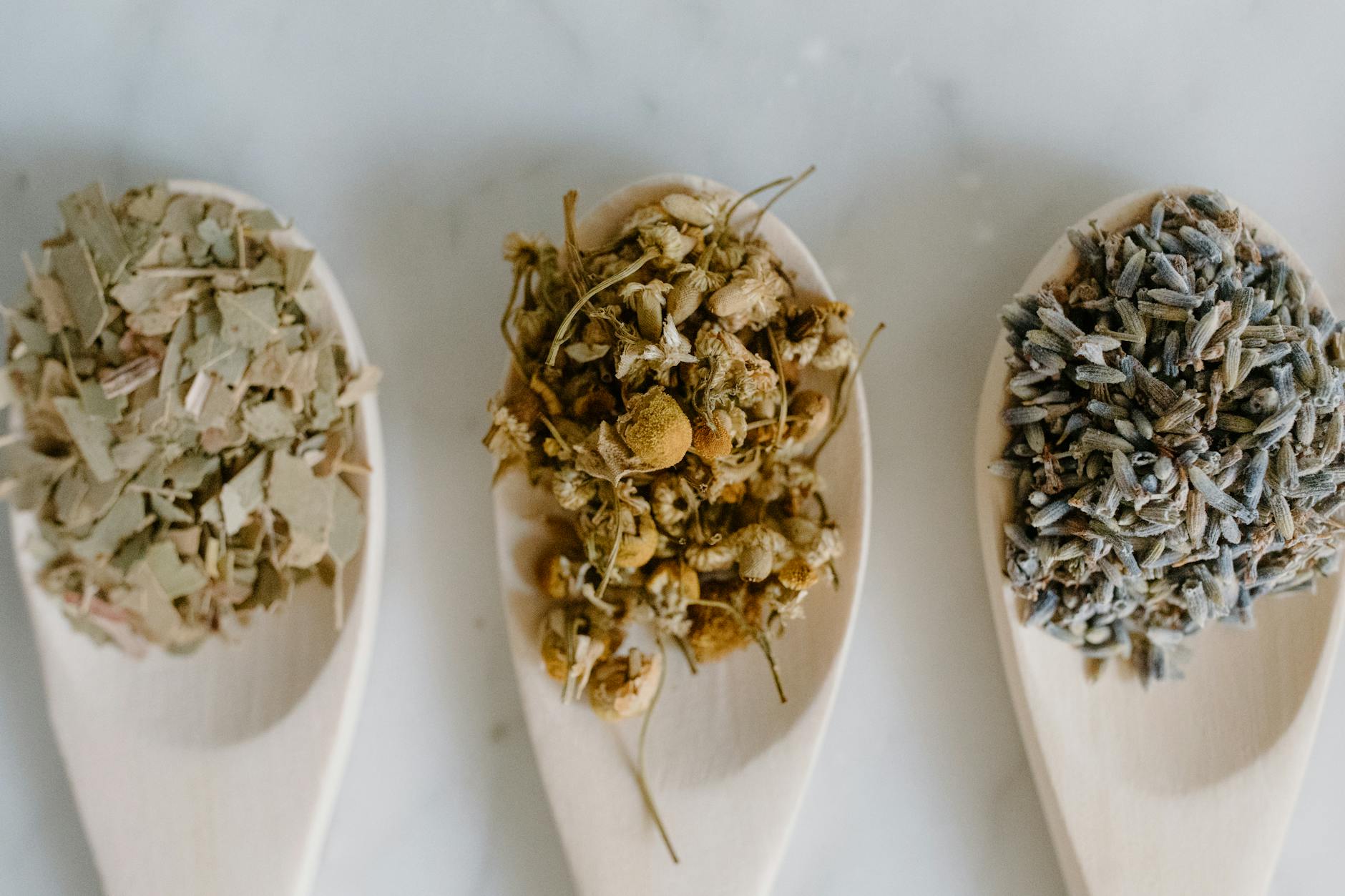 Photo by Tara Winstead
Understanding these safety considerations will help you make informed decisions when using herbal remedies for sleep. Remember, the goal is to achieve better sleep without compromising your health.
Herbal remedies offer a natural and effective way to improve sleep quality and alleviate insomnia. These herbs not only help you fall asleep but also enhance overall sleep quality with fewer side effects compared to pharmaceuticals.
Valerian root, chamomile, and lavender stand out as popular choices, while ashwagandha, lemon balm, and passionflower provide additional options for those seeking variety. Each herb has unique benefits, making it easy to find one that suits your needs.
Consider giving these herbal remedies a try for a more restful and rejuvenating night’s sleep. Share your experiences or ask questions in the comments below. Let’s explore natural solutions together for better sleep.


