Individualized Dietary Plans for fitness Success: 10 Special Tips
Discover the keys to lasting fitness achievements through personalized dietary plans. Explore topics like mindful eating, adapting to lifestyle changes, and celebrating non-scale victories for a holistic approach to well-being.
Starting a fitness journey is a laudable and personal endeavour that transcends a one-size-fits-all strategy. While fitness in general plans could serve as a good place to start, mastering your fitness goals and attaining long-term success frequently call for a more individualised strategy, especially when it comes to nutrition. We will examine the importance of customised dietary plan in this post, as well as how addressing unique dietary requirements might be essential to long-term success.
Writing a diet plan on the table full of healthy food
Understanding Individualized Dietary Plans
Individual Body Composition: An individual’s body composition varies based on their metabolism, muscular mass, and distribution of fat. These variables are taken into consideration in a personalised dietary plan in order to make sure that the intake of nutrients meets the body’s unique requirements.
Metabolic Variability: A person’s metabolism differs depending on their age, activity level, and genetics. Dietary adjustments based on a person’s metabolic rate can maximise energy use and improve the efficacy of the fitness journey.
Diverse Fitness Objectives: There are many different types of fitness objectives, such as increased endurance, muscle growth, or weight loss. Dietary plan and regimens that are tailored to an individual’s needs can be created to support desired goals by offering the proper ratio of nutrients.
Crafting a Personalized Dietary Plan
Consultation with professionals: Seeking guidance from nutritionists, dietitians, or fitness experts is crucial to understanding individual needs. These professionals can assess factors such as dietary preferences, lifestyle, and any existing health conditions to create a tailored plan.
Macronutrient Ratios: Personalized dietary plans focus on the right balance of macronutrients—proteins, fats, and carbohydrates. The proportions may vary based on individual requirements, supporting muscle building, fat loss, or overall energy levels.
Meal Timing and Frequency: Individualized plans consider the optimal timing and frequency of meals. Some individuals may benefit from frequent, smaller meals, while others may find success with intermittent fasting. This customization enhances adherence and results.
Food Sensitivities and Preferences: Tailoring a diet to account for food sensitivities or personal preferences improves adherence and overall satisfaction. Enjoying the foods within the plan promotes a long-term commitment to the fitness journey.
Sustaining Long-Term Success
Adaptability: As fitness goals evolve, so should the dietary plan. Regular assessments and adjustments ensure that the nutrition aligns with the changing needs of the body, promoting sustained progress.
Education and Empowerment: Educating individuals about the rationale behind their dietary plan empowers them to make informed choices. Understanding how nutrition impacts a person’s fitness journey fosters a sense of ownership and commitment.
Monitoring and Accountability: Regular check-ins with professionals or self-monitoring techniques can help track progress and make necessary adjustments. Accountability is a key factor in ensuring adherence and long-term success.
Micronutrient Considerations for Personalized Nutrition
Micronutrients, encompassing vitamins and minerals, are vital for various physiological functions, and their significance in supporting overall health and fitness cannot be overstated. When tailoring personalized dietary plans, it is essential to think about the specific micronutrient needs of individuals to optimize their well-being. Here’s an exploration of essential micronutrients and why customization is crucial:
Vitamins
Vitamin A: Essential for vision, immune function, and skin health. Personalized plans consider individual requirements based on factors like age, gender, and existing health conditions.
Vitamin D: Vital for bone health, immune function, and mood regulation. Customization involves assessing factors like sun exposure, which impacts natural vitamin D synthesis.
Vitamin C: A potent antioxidant supporting immune function and collagen synthesis. Personalized plans consider lifestyle factors that may increase the need for this vitamin.
Minerals
Calcium: Critical for bone health and muscle function. Customization involves accounting for dietary preferences and potential absorption inhibitors like certain medications.
Iron: Essential for oxygen transport in the blood. Personalized plans factor in individual iron status, especially for those with increased needs such as athletes or menstruating individuals.
Magnesium: Involved in muscle function, energy production, and bone health. Customization considers factors affecting magnesium absorption, such as stress or certain medical conditions.
Individualized Approaches
Assessment of Deficiencies: Personalized plans may involve assessing micronutrient deficiencies through blood tests, ensuring targeted interventions to address specific needs.
Dietary Preferences: Tailoring micronutrient intake to align with dietary preferences fosters adherence. For example, individuals following vegetarian or vegan diets may require special attention to certain nutrients like B12 and iron.
Physical Activity Levels: The micronutrient needs of active individuals may differ. Customization involves adjusting intake based on factors like exercise intensity and duration.
Long-Term Health and Fitness
Cognitive Function: Micronutrients play a role in cognitive health. Personalized plans consider nutrients like omega-3 fatty acids, vitamin E, and B vitamins to support brain function.
Antioxidant Support: Micronutrients with antioxidant properties, such as vitamins C and E, are crucial for mitigating oxidative stress, especially in individuals engaged in intense physical activities.
Supplementation
Targeted Supplementation: In cases where dietary intake falls short, personalized plans may include targeted supplementation to meet individual micronutrient requirements.
Regular Monitoring: Continuous assessment and adjustments based on changes in lifestyle, health status, or fitness goals ensure sustained adequacy of micronutrient intake.
Recognizing the importance of micronutrients and customizing dietary plans accordingly is paramount for achieving optimal health and fitness. The intricate interplay of vitamins and minerals in the body underscores the need for a personalized approach, ensuring that individuals receive the right balance of micronutrients to support their unique requirements and goals.
Goal-Oriented Strategies Personalized Nutrition
Setting clear and achievable fitness goals is a crucial step toward success on any fitness journey. To optimize the effectiveness of these goals, aligning dietary plans with specific objectives is essential. This section outlines goal-oriented strategies that emphasize the importance of tracking progress and adjusting nutrition accordingly, underscoring the integral role of an individualized approach.
Define Clear and Realistic Goals:
Clearly outline specific and measurable fitness goals, whether it’s weight loss, muscle gain, improved endurance, or overall well-being
Ensure that goals are realistic, considering individual factors such as lifestyle, current fitness level, and time commitments.
Tailor Nutrition to Goals for:
Muscle Gain: Caloric surplus: Provide the extra energy needed for muscle growth. Protein intake: Ensure sufficient protein to support muscle repair and growth.
Endurance Improvement: Carbohydrate emphasis to fuel endurance activities with an adequate intake of complex carbohydrates. Maintain proper fluid balance for sustained energy during prolonged exercise.
Emphasize nutrient-dense foods: Prioritize foods rich in vitamins, minerals, and fiber to support overall health.
Regular Progress Tracking:
Monitor changes in weight, body composition, and performance.
Keep a food diary or use tracking apps to assess nutritional intake.
Track energy levels, mood, and overall well-being as indicators of progress.
Adjust Nutrition Based on Progress:
Weight Loss Plateau: Reassess calorie intake and adjust as needed. Modify exercise routine for increased intensity or variety.
Muscle Gain Plateau: Adjust macronutrient ratios for optimal muscle protein synthesis. and Increase training volume or intensity.
Endurance Plateau: Incorporate interval training for increased intensity while fine-tuning carbohydrate intake based on energy demands.
Individualized Nutritional Timing:
Pre-Workout Nutrition: Align with the type and intensity of exercise to include a balance of carbohydrates and protein for sustained energy.
Post-Workout Nutrition: Prioritize protein for muscle recovery by including carbohydrates to replenish glycogen stores.
Adapt to Lifestyle Changes:
Consider adjustments during periods of increased stress, travel, or changes in routine.
Modify nutrition to accommodate shifts in physical activity levels.
Celebrate Achievements and Learn from Setbacks:
Acknowledge and celebrate milestones in the fitness journey.
Learn from setbacks by analyzing what worked and what can be improved.
Seek Professional Guidance:
Consult with nutritionists or dietitians for expert advice and adjustments.
Regular check-ins with fitness professionals ensure ongoing support and guidance.
Therefore, aligning dietary plans with specific, realistic fitness goals is essential for success. By regularly assessing progress, adapting nutrition to changing needs, and maintaining an individualized approach, individuals can optimize their chances of achieving and sustaining their desired fitness outcomes. Remember, the journey is dynamic, and adjustments are a natural part of the process towards long-term health and fitness success.
Achieving Fitness Objectives
Real-life success stories will illustrate the impact of individualized nutrition on achieving fitness milestones. Read about people who embraced personalized dietary plans and had made changes to their lives and you will gain insights into the transformative experiences and witnessed tangible results.
Woman doing fitness training for exercise at gym, weights for cardio workout and motivation for str
Sustainable Fitness through Personalized Nutrition: Establishing Healthy Habits
Achieving sustainable fitness involves more than quick fixes; it requires the establishment of healthy dietary habits and the incorporation of lifestyle changes that contribute to long-term success. This considers the key components of building sustainable fitness with dietary plan and breaking down barriers to lasting well-being.
Cultivating Healthy Dietary Habits:
Mindful Eating: Encourage a mindful approach to eating by savoring each bite, recognizing hunger and fullness cues, and appreciating the flavors of whole foods.
Balanced Nutrition: Emphasize the importance of a balanced diet, incorporating a variety of nutrient-dense foods to meet individual needs and preferences.
Portion Control: Educate individuals on portion sizes to prevent overeating, promoting a sustainable and realistic approach to weight management.
Lifestyle Integration:
Regular Physical Activity: Embrace a holistic approach to fitness by integrating regular physical activity into daily life, whether through structured workouts, walking, or recreational activities.
Functional Fitness: Promote exercises that mimic real-life movements, enhancing overall strength, flexibility, and endurance for daily activities.
Active Transportation: Encourage walking or biking as alternatives to sedentary modes of transportation, fostering an active lifestyle.
Nutrition Education and Empowerment:
Understanding Nutrient Needs: Educate individuals about their specific nutrient requirements, empowering them to make informed choices that align with their goals and well-being.
Cooking Skills: Equip individuals with basic cooking skills to prepare nutritious meals at home, promoting a sustainable and cost-effective approach to healthy eating.
Reading Food Labels: Develop skills in deciphering food labels, enabling individuals to make healthier choices while grocery shopping.
Behavioral Strategies:
Goal Setting: Facilitate the setting of realistic, achievable, and measurable fitness goals, fostering motivation and a sense of accomplishment.
Self-Monitoring: Encourage individuals to track their progress, both in terms of fitness milestones and dietary habits, promoting self-awareness and accountability.
Social Support: Emphasize the importance of a supportive community or network, as sharing experiences and receiving encouragement can enhance adherence to healthy habits.
Breaking Down Barriers:
Time Management: Provide strategies for integrating fitness into busy schedules, emphasizing the effectiveness of short, intense workouts and time-efficient meal preparation.
Overcoming Setbacks: Teach resilience in the face of challenges, helping individuals view setbacks as learning opportunities rather than reasons to abandon their fitness journey.
Addressing Psychological Barriers: Recognize and address psychological factors that may hinder progress, such as stress, emotional eating, or negative self-talk.
Holistic Well-Being:
Stress Management: Incorporate stress-reducing practices, such as mindfulness, meditation, or yoga, recognizing the impact of stress on overall well-being.
Adequate Sleep: Emphasize the importance of sufficient and quality sleep, as it plays a critical role in recovery, energy levels, and overall health.
Regular Reassessment and Adaptation:
Periodic Check-Ins: Encourage regular assessments of fitness goals and dietary habits, allowing for necessary adjustments based on changing circumstances.
Flexibility in Approaches: Promote flexibility in fitness routines and dietary plans, recognizing that preferences and needs may evolve over time.
To sustainable fitness through personalized nutrition involves the establishment of healthy habits and lifestyle changes that can be maintained over the long term. By addressing both physical and psychological aspects, individuals can break down barriers and foster lasting well-being. Empowering individuals with the knowledge, skills, and support they need sets the foundation for a sustainable fitness journey that goes beyond short-term solutions, leading to a healthier and more fulfilling life.
Mastering Fitness Goals: The Power of Individualized Dietary Plans
Mastering fitness goals is a holistic endeavor that encompasses various aspects of physical and mental well-being. Central to this process is the adoption of individualized dietary plans, which play a pivotal role in transforming fitness objectives into tangible achievements. In this section, we will explore the significance of personalized nutrition through transformative experiences that underscore the power of tailoring dietary strategies to individual needs.
Aligning Nutrition with Diverse Goals: The transformative journey of individuals who have successfully mastered fitness goals reveals the versatility of personalized nutrition.
Weight Management: Witness the stories of those who tailored their diets for sustainable weight loss, showcasing the impact of personalized strategies on shedding excess pounds.
Muscle Building: Explore how individuals achieved significant muscle gains by optimizing their dietary plans with tailored macronutrient ratios and targeted protein intake.
Endurance Enhancement: Learn from the experiences of endurance athletes who harnessed the power of personalized nutrition to improve stamina, fueling their bodies for peak performance.
Real-Life Success Stories: Go into the narratives of individuals who embarked on personalized nutrition journeys, showcasing their challenges, triumphs, and the transformative effects on their fitness goals.
The Adaptive Nature of Personalized Plans: Explore how personalized nutrition plans adapt to diverse lifestyles, addressing the unique challenges individuals face.
Empowering Individuals with Knowledge: Recognize the empowerment that comes with understanding the rationale behind personalized nutrition.
Education as a Catalyst: Highlight how education about nutrient needs, dietary choices, and cooking skills empowers individuals to take charge of their own fitness journeys.
Ongoing Learning and Adaptation: Showcase the importance of ongoing learning, allowing individuals to adapt their nutrition plans as they evolve in their understanding of their bodies and goals.
The Role of Professionals in Mastery: Acknowledge the significance of seeking guidance from nutritionists and fitness experts in mastering fitness goals.
Consultation and Support: Illustrate the transformative impact of professional guidance, emphasizing the value of regular check-ins and adjustments.
Collaboration for Success: Showcase success stories where collaboration between individuals and professionals led to effective personalized nutrition strategies.
Hence, mastering fitness goals is a dynamic process that thrives on the adaptability and personalization offered by individualized dietary plans. Through real-life success stories and transformative experiences, individuals can witness the profound impact of tailoring nutrition to unique needs, ultimately achieving and sustaining their fitness objectives. The journey to mastery is not only about reaching goals but also about fostering a lasting, positive relationship with one’s body and health through the power of personalized nutrition.
Specialized Directory Plan for Fitness Success
Numerous specialised diets have acquired popularity in a variety of areas of fitness, each claiming distinct advantages for reaching fitness and health objectives. For those looking to make decisions that are in line with their particular goals, it is imperative that they comprehend the subtleties of these diets. Although there are advantages to these diets, it is important to emphasise that a personalised strategy based on each individual’s requirements and preferences is necessary.
Diet Greek salad in alternative version for people on diet.
Ketogenic Diet
Principle: A high-fat, low-carbohydrate diet that induces a state of ketosis, where the body burns fat for fuel.
Effectiveness:
Weight Loss: Some individuals experience rapid weight loss due to reduced carbohydrate intake.
Appetite Control: Ketosis may lead to improved appetite control for some, reducing overall calorie intake.
Considerations:
Adaptation Period: Initial adaptation can cause symptoms known as the “keto flu.”
Sustainability: Long-term adherence may be challenging for some individuals.
Paleolithic (Paleo) Diet
Principle: Emphasizes whole, unprocessed foods, mimicking the presumed diet of Paleolithic humans.
Effectiveness:
Improved Nutrient Intake: Focus on whole foods enhances nutrient intake.
Weight Management: Can contribute to weight loss due to the emphasis on whole, nutrient-dense foods.
Considerations:
Dietary Restriction: Elimination of certain food groups may require careful planning to avoid nutritional deficiencies.
Sustainability: Sustainability may vary based on individual preferences and lifestyle.
Mediterranean Diet
Principle: Inspired by traditional dietary patterns of countries bordering the Mediterranean Sea, emphasizing fruits, vegetables, whole grains, and healthy fats.
Effectiveness:
Heart Health: Linked to improved cardiovascular health.
Longevity: Associated with a reduced risk of chronic diseases and increased lifespan.
Considerations:
Flexible: Offers flexibility with a variety of foods.
Not Strictly Defined: Adherence can vary as the Mediterranean diet does not have strict rules.
Vegetarian and Vegan Diets
Principle: Vegetarian excludes meat, while vegan excludes all animal products.
Effectiveness:
Weight Management: Plant-based diets can support weight loss.
Cardiometabolic Health: Linked to improved heart health and reduced risk of certain diseases.
Considerations:
Nutrient Planning: Attention to nutrients like B12, iron, and omega-3 fatty acids is crucial.
Protein Intake: Ensuring adequate protein intake is vital for muscle health.
Intermittent Fasting
Principle: Cycling between periods of eating and fasting, with various methods like the 16/8 method or alternate-day fasting.
Effectiveness:
Weight Loss: Can lead to calorie reduction and weight loss.
Metabolic Benefits: Some evidence suggests potential metabolic benefits.
Considerations:
Individual Response: Effectiveness may vary among individuals.
Potential Side Effects: Some may experience irritability or difficulty concentrating during fasting periods.
Flexible Dieting (IIFYM – If It Fits Your Macros)
Principle: Focuses on meeting specific macronutrient targets while allowing flexibility in food choices.
Effectiveness:
Adaptability: Allows for a wide variety of foods, promoting long-term adherence.
Personalization: Can be tailored to individual goals, whether weight loss, muscle gain, or maintenance.
Considerations:
Nutrient Quality: Emphasizes the importance of nutrient-dense foods, but success depends on individual choices.
Tracking Challenges: Requires meticulous tracking of macronutrients, which may be challenging for some.
Low-FODMAP Diet
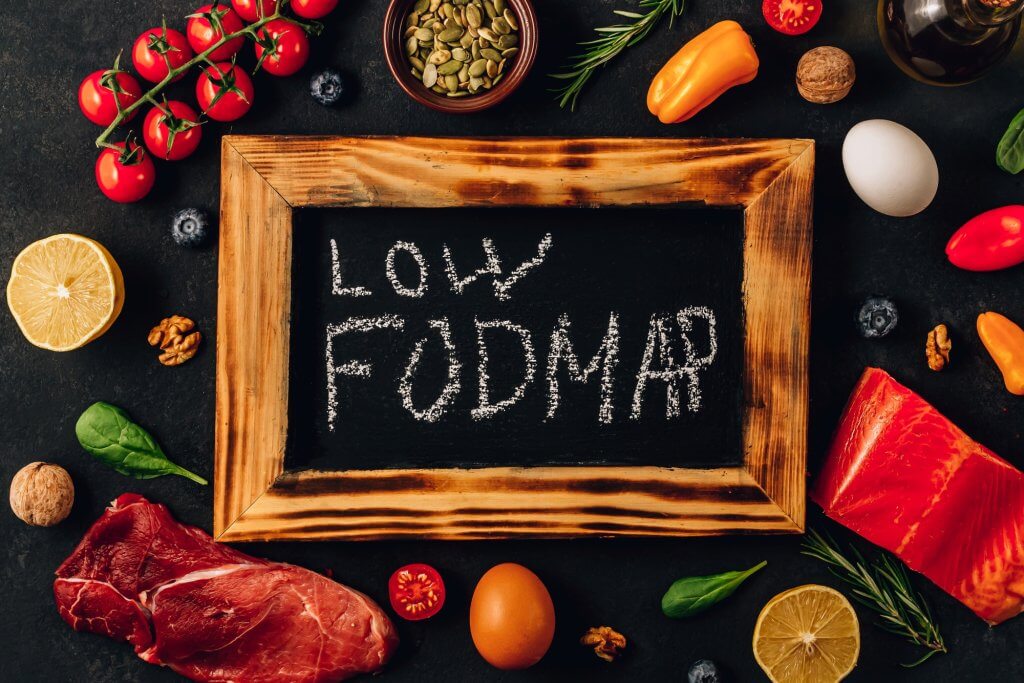
Low fodmap food
Principle: Designed to alleviate symptoms of irritable bowel syndrome (IBS) by restricting certain fermentable carbohydrates.
Effectiveness:
GI Symptom Relief: Can provide relief from digestive symptoms in individuals with IBS.
Individualized Approach: Success is highly individualized based on specific intolerances.
Considerations:
Complexity: Requires careful elimination and reintroduction phases, often best done under the guidance of a healthcare professional.
Not for Everyone: Not intended for general weight management or fitness goals.
DASH Diet (Dietary Approaches to Stop Hypertension)
Principle: Developed to prevent and manage hypertension, emphasizing fruits, vegetables, lean proteins, and low-fat dairy.
Effectiveness:
Blood pressure management Linked to lower blood pressure and improved cardiovascular health.
Weight Control: Can contribute to weight management due to a focus on whole foods.
Considerations:
Sodium Restriction: Requires attention to sodium intake, which may be challenging for some.
Collaboration with healthcare professionals is especially important for those with hypertension or cardiovascular issues.
Disclaimer
While each specialized diet has its merits, there is no one-size-fits-all solution. Success depends on individual factors such as preferences, lifestyle, and health conditions. A customized approach, possibly with the guidance of nutrition professionals, allows individuals to harness the benefits of different diets while addressing their unique needs and goals. In the pursuit of fitness success, understanding and tailoring dietary strategies to individual contexts ultimately pave the way for sustained well-being.
Nutrition Tips for Personalized Success
Seek experts in the field to provide you with valuable periodic advice and a scientifically scaled assessment of your individualized, crafted dietary plan. In addition, their expertise will help provide more tips for balancing macros and micronutrients in your dietary plan, along with integrating variety into a well-rounded nutrition plan tailored to their unique needs.
A personalized approach to a Healthy Lifestyle
Going beyond specific fitness objectives, the key to holistic well-being lies in the personalized approach we take towards our dietary plans. In this section, we will consider the interconnectedness of mental and physical health, urging readers to adopt a mindful and tailored stance in their dietary choices and the composition of their dietary plan for comprehensive wellness.
Mindful Eating Strategies
Conscious Hunger and Fullness Awareness: Cultivate a habit of tuning into the body’s signals of hunger and fullness, fostering a mindful and intuitive connection with the act of eating.
Enhanced Eating Experience: Advocate for savoring each meal, engaging the senses, and appreciating the diverse flavors and textures present in the foods consumed.
Managing Emotional Eating: Address emotional eating triggers and provide coping mechanisms, encouraging readers to manage emotions without relying solely on food.
Personalized Nutrition for Mental Well-Being
Cognitive Health Nutrients: Highlight the impact of specific nutrients, such as omega-3 fatty acids, antioxidants, and B vitamins, in supporting cognitive function and mental health.
Blood Sugar Balance: Emphasize the significance of balanced meals and snacks for stabilizing blood sugar levels, contributing to sustained energy and mood regulation.
Hydration’s Influence on Brain Function: Stress the role of hydration in maintaining optimal brain function and cognitive performance.
Tackling Stress and Emotional Well-Being:
Adaptogens in Nutrition: Introduce the concept of adaptogenic foods that can potentially aid the body in adapting to stress, promoting emotional resilience.
Macronutrient Balance for Mood: Explore the connection between balanced macronutrient intake and mood regulation, underscoring the role of carbohydrates in serotonin production.
Incorporating Relaxation Practices: Encourage the integration of relaxation techniques, such as deep breathing or meditation, as part of a holistic approach to managing stress.
Tailored Nutrition for Digestive Health:
Identification of Food Sensitivities: Prompt individuals to identify and address potential food sensitivities or intolerances affecting digestive health and overall well-being.
Understanding the Gut-Brain Link: Explore the bidirectional connection between gut health and mental well-being, emphasizing a balanced and varied diet for both aspects.
Fiber’s Role in Gut Health: Advocate for the inclusion of fiber-rich foods to support a healthy gut microbiome and ensure digestive regularity.
Balanced Nutrition for Long-Term Health:
Preventing Chronic Diseases: Emphasize how personalized nutrition can reduce the risk of chronic diseases, establishing a foundation for sustained health and well-being.
Integration of Anti-Inflammatory Foods: Discuss the benefits of incorporating anti-inflammatory foods in the diet, which promote overall health and potentially mitigate inflammation.
Hydration for Comprehensive Wellness: Reinforce the importance of maintaining adequate hydration levels, supporting various bodily functions from digestion to joint health.
Adapting to Different Life Stages:
Pregnancy and Lactation Nutrition: Provide tailored dietary advice for individuals during pregnancy and lactation, highlighting specific nutrients crucial for both maternal and infant health.
Nutritional Considerations in Aging: Address the distinct nutritional needs associated with aging, focusing on maintaining muscle mass, bone health, and cognitive function.
Flexibility for Changing Needs: Highlight the adaptability of personalized nutrition plans to accommodate various life stages and evolving health requirements.
Fostering sustainable nutritional habits:
Gradual Changes for Lasting Impact: Encourage individuals to make sustainable changes to their dietary habits gradually, promoting long-term adherence.
Flexibility in Food Choices: Emphasize the importance of flexible dietary choices to accommodate different situations and preferences, preventing a rigid approach.
Emphasis on Enjoyment and Satisfaction: Reinforce the idea that personalized nutrition should bring enjoyment and satisfaction, contributing to a positive and fulfilling relationship with food.
To these ends, a personalized approach to nutrition, especially through tailored dietary plans, plays a crucial role in nurturing the mind-body connection for comprehensive well-being. By customizing dietary choices, addressing mental and emotional aspects, and fostering sustainable habits, individuals can create a lifestyle that nourishes both their bodies and minds. This not only enhances immediate well-being but also sets the stage for a fulfilling and enduring journey towards optimal health.
Fitness Milestones: Adapting Dietary Plans and Beyond
Celebrating milestones in the fitness journey is a pivotal moment, yet the journey doesn’t end there—it evolves. This section focuses on the adaptation of dietary plans to changing goals while emphasizing the cultivation of a lifelong commitment to health. The significance of dietary plans will be highlighted in four key places throughout this exploration.
Reflecting on the Dietary Plan with Each Achievement: As you reach fitness milestones, take a moment to reflect on the role of your dietary plan in your success. Your nutrition strategy has been a companion throughout the journey, fueling your achievements and aiding recovery. Consider revisiting and adjusting your dietary plan to align with the new demands and goals that come with reaching each milestone. Whether it’s achieving a weight loss target, gaining muscle, or improving endurance, your dietary choices play a central role in sustaining and elevating your success.
Adaptation as a Constant Theme in the Dietary Plan: Adaptation is the heartbeat of progress. Just as your workout routine evolves, so should your dietary plan. Highlight the importance of regularly assessing your nutrition strategy and ensuring it aligns with your current fitness goals. Whether you’re focusing on maintaining your current achievements or setting new targets, adapting your dietary plan is key to supporting your body’s changing needs. Let this be a reminder that your nutrition journey is dynamic, much like your fitness journey.
Cultivating a Lifelong Commitment to Health through a Dietary Plan: Your dietary plans are not merely short-term solutions; they are the foundation of a lifelong commitment to health. Showcase the role of nutrition in not just achieving goals but in sustaining overall well-being. Encourage readers to view their dietary choices as a long-term investment in health, supporting not only their fitness journey but also their journey towards a vibrant and fulfilling life. Emphasize the impact of consistent and health-conscious dietary plans on the prevention of chronic diseases, ensuring a healthier and more resilient future.
Incorporating Variety in Dietary Plans for Continuous Engagement: A key aspect of a lifelong commitment to health is the incorporation of variety in dietary plans. Feature the importance of exploring new foods, recipes, and nutritional approaches to keep the journey exciting and sustainable. Variety not only ensures a broad spectrum of nutrients but also adds a layer of enjoyment to your dietary choices. Share tips on experimenting with different cuisines, trying seasonal produce, and staying open to diverse nutritional strategies to keep your dietary plans engaging and adaptable to changing tastes and preferences.
So, as you celebrate your fitness milestones, remember that your dietary plans are not static; they are a dynamic and integral part of your journey. Embrace adaptation, cultivate a commitment to long-term health, and incorporate variety in your dietary choices. This way, your nutrition journey will not only complement your fitness achievements but will also serve as a cornerstone for a healthy and fulfilling life.
Dietary Habits for Long-Term Success
Building sustainable dietary plans and habits is the cornerstone of long-term fitness success. Make sure you address common challenges in maintaining individualized nutrition and underscore the role of consistency in achieving and sustaining health goals. Always seek professional advice from experts.
Conclusion
Fitness journey with a personalized dietary plan significantly enhances the likelihood of achieving and sustaining long-term success. Recognizing and catering to individual needs, goals, and preferences fosters a holistic approach to fitness, empowering individuals to master their health and well-being. Remember, the journey is personal, and customization is the key to unlocking the full potential of one’s fitness goals. By embracing a personalized dietary plan approach to nutrition, individuals can unlock their full potential, celebrate milestones, and cultivate a lifelong commitment to a healthy lifestyle.
FAQs:
1. Why is personalized nutrition important for fitness success? Personalized nutrition considers individual needs, optimizing the effectiveness of dietary plans for specific fitness goals.
2. How do micronutrients contribute to overall fitness? Micronutrients are essential for various bodily functions and play a crucial role in supporting overall health and fitness.
3. Can I achieve fitness success without setting clear goals? Setting clear fitness objectives provides direction and motivation, significantly enhancing the chances of success.
4. What makes a diet sustainable in the long run? Sustainable diets focus on establishing healthy habits, incorporating lifestyle changes, and promoting consistency.
5. Are specialized diets necessary for fitness success? Specialized diets can be effective, but choosing the right one requires understanding individual goals and preferences.
6. How can I balance macros and micronutrients in my diet? Nutrition tips from experts can guide you in balancing macronutrients and micronutrients for a well-rounded diet.
7. Is a personalized approach to nutrition time-consuming? While it may require initial effort, the long-term benefits of personalized nutrition outweigh the time investment.
8. Can dietary habits impact overall well-being beyond fitness goals? Yes, personalized dietary habits contribute to holistic well-being, influencing both physical and mental health.
9. How do I adapt my diet to evolving fitness goals? Regular assessment and adjustment of dietary plans ensure they align with evolving fitness objectives.
10. Why is consistency crucial in achieving and sustaining health goals? Consistency is key to forming habits, making it easier to adhere to personalized dietary plans and achieve long-term success.