Physical Address
304 North Cardinal St.
Dorchester Center, MA 02124
Physical Address
304 North Cardinal St.
Dorchester Center, MA 02124
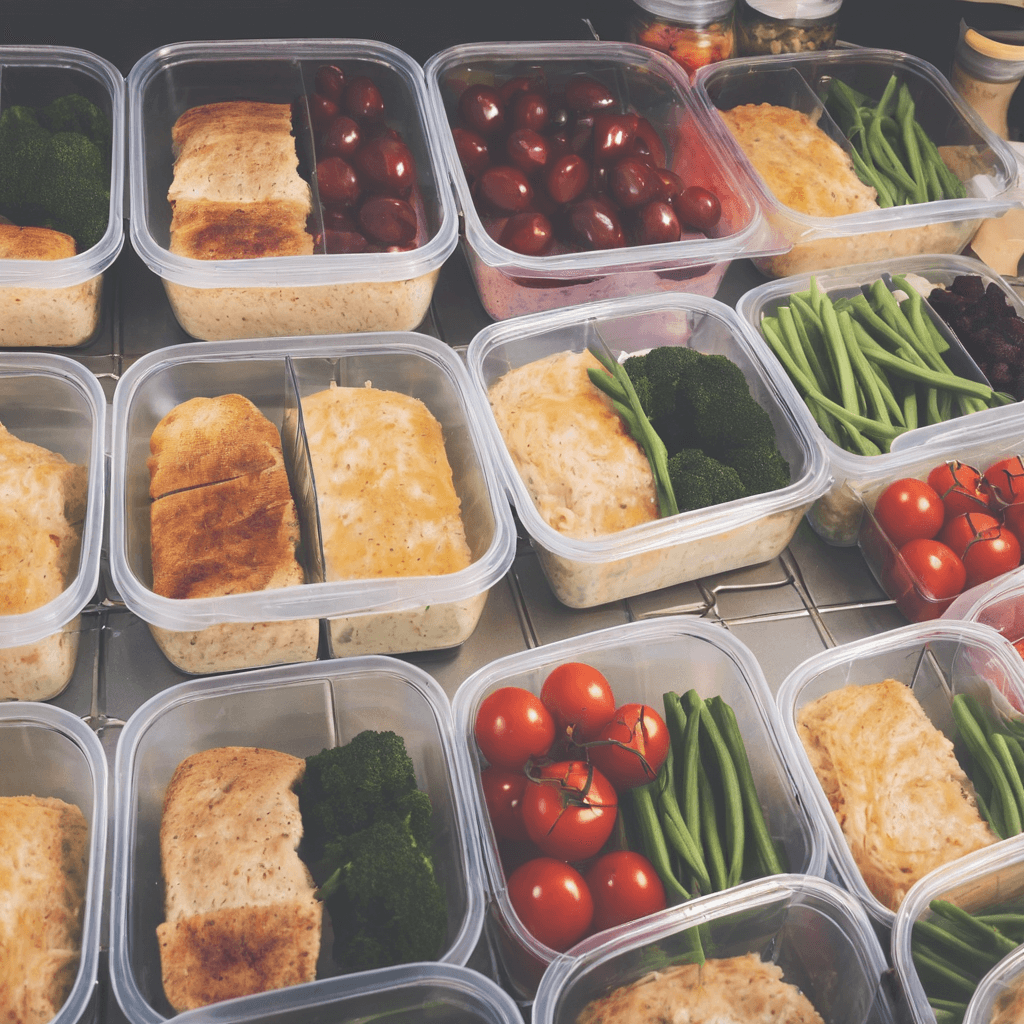
Learn how to batch cook, use affordable ingredients, and minimize food waste, ensuring you get the best value for your money. Perfect for anyone looking to eat well while saving money, this comprehensive guide is an essential resource for budget-conscious meal planners.
With today’s economy, making every dollar count is more crucial than ever. Meal planning on a budget is a smart strategy to save money, reduce food waste, and maintain a nutritious diet. Many people are discovering that with a little effort and creativity, it’s entirely possible to eat well without breaking the bank.
Creating a realistic budget is the first step in meal planning. It’s essential to determine how much you can comfortably spend on groceries each week or month. Take into account your family’s size, dietary needs, and current food expenditures. For guidance, consider tools like the USDA’s Cost of Food that offer estimates for different budget levels.
 Photo by Kindel Media
A well-thought-out grocery list is your blueprint for successful shopping. List every item needed for your meals, and stick to it religiously to avoid impulse purchases. Creating a grocery list is an essential part of Meal planning on a budget and helps ensure that you have all the ingredients needed for a week’s worth of meals. It can can save time, reduce food waste, and make shopping trips more efficient.
Start by reviewing your weekly meal plan and noting all the required ingredients. Organize your list by categories such as produce, dairy, proteins, and pantry staples to streamline your shopping experience. Incorporate items for breakfast, lunch, dinner, and snacks to cover all your nutritional needs. Don’t forget to check your pantry and refrigerator for any items you already have to avoid unnecessary purchases. When adding items to your list, consider portion sizes and the number of servings you’ll need for each meal.
Utilize a digital app like Mealime can help you organize your list efficiently or a simple notepad to jot down your list. Digital apps can be particularly useful as they often allow you to save frequent purchases and share the list with family members. Including specific brands or quantities can also ensure you purchase exactly what you need. Regularly updating your list as you run out of items can help you maintain a well-stocked kitchen. This practice not only supports efficient Meal planning on a budget but also ensures that you always have fresh and essential ingredients on hand.
Taking advantage of sales and discounts can significantly reduce your grocery bill. Yes! utilizing sales and discounts is a strategic approach to enhancing your meal planning while keeping your grocery budget in check. Start by perusing weekly store flyers and digital promotions to identify the best deals on essential items. Incorporate these discounted ingredients into your weekly meal plans, ensuring a variety of nutritious and cost-effective meals.
Plan your shopping trips around these sales to maximize savings. Buying in bulk during promotions, especially for non-perishable items or freezable goods, can lead to significant long-term savings. For instance, purchasing bulk grains, pasta, and canned goods during sales ensures you always have a stockpile of basic ingredients for spontaneous cooking.
Consider signing up for store loyalty programs, which often provide exclusive discounts and early notifications of upcoming sales. Additionally, use digital coupon apps to find and apply savings effortlessly. These tools can also offer personalized discounts based on your shopping habits, further aiding in cost-effective meal planning.
While shopping, remain flexible with your meal plan to accommodate unexpected sales or clearance items. This adaptability allows you to take full advantage of discounts without compromising your planned meals. Maintaining a dynamic shopping list, updated with ongoing sales and discounts, ensures that you are always prepared to optimize savings while keeping your meals diverse and enjoyable.
Clip coupons, join store loyalty programs, and keep an eye on weekly flyers for special offers. Websites like Honey can help you find online discounts and deals effortlessly. Adding these tactics into yourMeal planning on a budget strategy not only helps in budget management but also encourages creative and resourceful cooking, leading to a more sustainable and enjoyable culinary experience.
Batch cooking and meal prepping can save both time and money and are transformative strategies for efficient and effective Meal planning on a budget. By dedicating a few hours each week to prepare large quantities of food, you can streamline your daily cooking routine and ensure you have nutritious, homemade meals ready to go. Start by planning your meals for the week, focusing on recipes that can be easily scaled up and stored. Think hearty soups, casseroles, and grain bowls. These dishes not only hold up well in the refrigerator and freezer but also offer versatility in terms of ingredients and flavors.
Choose a day that works best for you—often Sunday—and set aside a few hours for batch cooking. Chop vegetables, cook grains, and prepare proteins in bulk. Store these components in airtight containers, ready to be assembled into meals throughout the week. These cooked foodstuffs are portioned into individual servings for the week. This method not only ensures you have ready-to-eat meals but also reduces the temptation to order takeout. For meal prep ideas, check out BudgetBytes. This approach minimizes daily cooking time and reduces the temptation to resort to unhealthy convenience foods.
Investing in quality storage solutions is essential. Glass containers with airtight lids preserve the freshness and flavor of your food while also being environmentally friendly. Label each container with the contents and date to keep track of freshness and rotation. Safety and hygiene are paramount in Meal planning on a budget. Ensure all cooked food is cooled before sealing and refrigerating to prevent bacterial growth. Keep raw and cooked foods separate to avoid cross-contamination.
The benefits for those engaged in meal planning are substantial. Batch cooking not only saves time and money but also promotes healthier eating habits. Having ready-made meals encourages portion control and reduces the likelihood of opting for less nutritious options. By embracing batch cooking and meal prep as part of your meal planning routine, you can enjoy the convenience of home-cooked meals without the daily effort. This strategy supports a balanced diet, reduces stress, and frees up valuable time for other pursuits.
Meat can be one of the more expensive items on your shopping list. Inclusion of meatless meals a few times a week can cut costs and introduce variety. Dishes like lentil soup, chickpea curry, or vegetable stir-fry are both affordable and nutritious and its repertoire can significantly enhance your meal planning strategy, offering both health benefits and cost savings. Transitioning to a more plant-based diet doesn’t mean sacrificing flavor or variety. Instead, it opens up a world of culinary creativity and nutritional richness.
Start by exploring diverse protein sources such as beans, lentils, tofu, and tempeh. These ingredients are not only protein-rich but also versatile, allowing you to craft a wide array of dishes. For instance, a hearty lentil stew or a spicy chickpea curry can be both satisfying and nourishing. Incorporating seasonal vegetables into your meals can elevate your dishes with fresh flavors and textures. Consider creating a colorful vegetable stir-fry or a roasted vegetable medley. Experimenting with spices and herbs can further enhance the taste, making meatless meals just as delectable as their meat-containing counterparts.
To seamlessly integrate meatless meals into your meal planning, designate specific days of the week for vegetarian dishes. “Meatless Mondays” can be a great starting point, encouraging you to discover new recipes and establish a routine. Planning ahead and prepping ingredients in advance can make these meals quick and convenient to prepare, even on busy days.
Embracing meatless meals not only supports a healthier lifestyle but also contributes to environmental sustainability. By reducing meat consumption, you can lower your carbon footprint and promote a more eco-friendly diet. Ultimately, incorporating meatless meals into your meal planning can lead to a more balanced, nutritious, and enjoyable culinary experience.
Stock up on affordable yet nutritious ingredients such as beans, rice, pasta, and seasonal vegetables. These items are versatile and form the basis of many budget-friendly meals. For example, beans are a great protein source and can be used in soups, salads, and stews.

For more affordable meal ideas, you can explore Budget Bytes.
Several apps make meal planning easier and more efficient:
Numerous websites provide valuable tips and meal plans for budget-conscious individuals:
It’s vital to regularly review and adjust your meal plans and budget. As prices fluctuate and your family’s needs change, your meal plan should adapt accordingly. Reviewing your expenses monthly can keep you on track.
Getting the entire family involved in meal planning and preparation can be a game-changer. When everyone contributes ideas and helps with cooking, it fosters a sense of team spirit and ensures that meals meet everyone’s preferences and dietary needs.
Meal planning on a budget is a practical approach to managing your finances while ensuring you and your family eat healthily. By setting a realistic budget, creating detailed grocery lists, and using effective strategies like meal prepping and incorporating affordable ingredients, you can make the most of every dollar. Start your budget meal planning journey today and enjoy the long-term benefits of saving money and reducing food waste.


