Physical Address
304 North Cardinal St.
Dorchester Center, MA 02124
Physical Address
304 North Cardinal St.
Dorchester Center, MA 02124
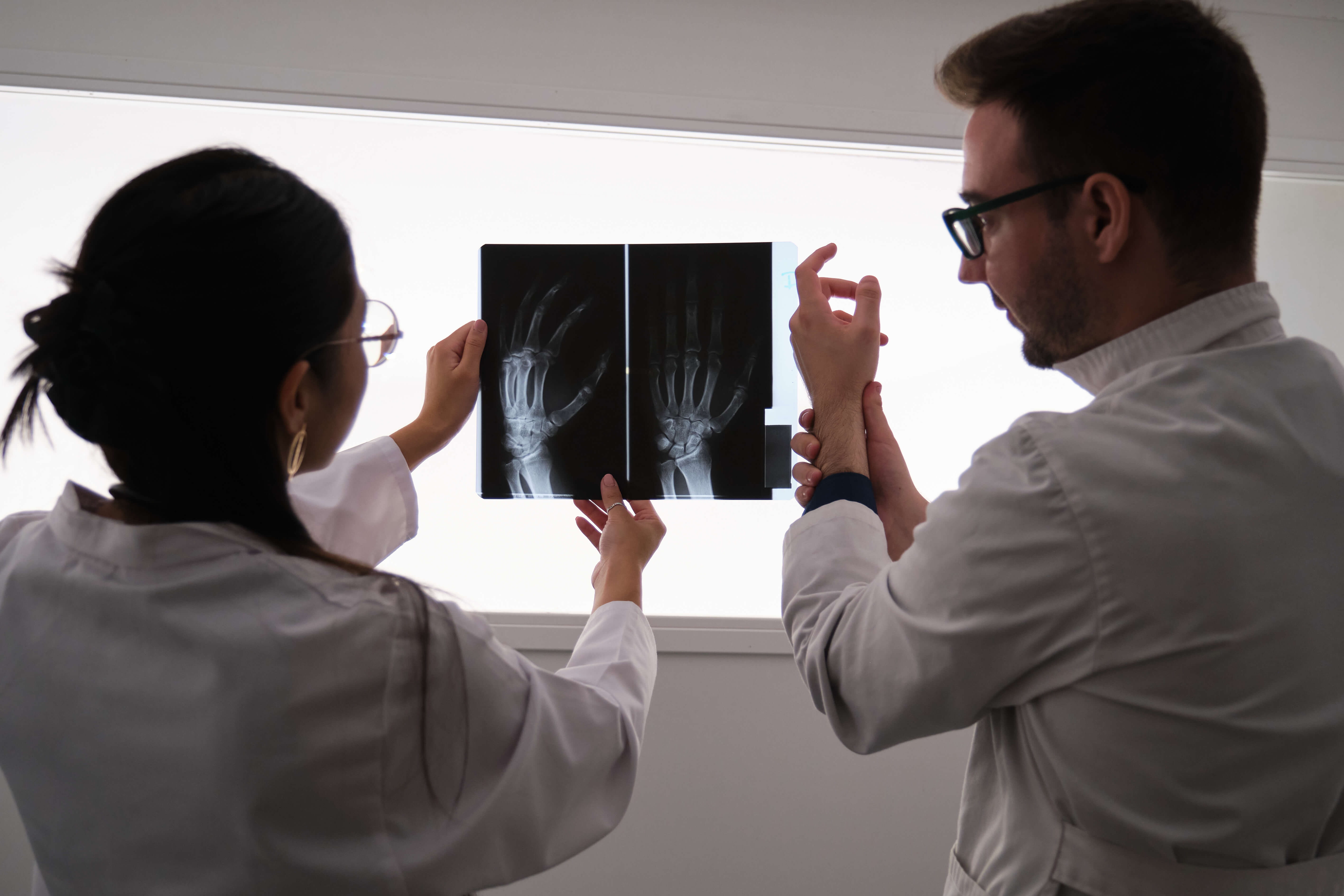
Managing rheumatoid disease can be a lifelong journey, but with the right approach, it is possible to live a fulfilling and active life. In this article, we will explore the importance of diets and lifestyle adjustments for young people with rheumatoid disease and how they can improve their overall well-being.
Rheumatoid disease, also known as rheumatoid arthritis, is a chronic autoimmune disorder that affects the joints, causing pain, stiffness, and swelling. While it is commonly associated with older adults, it can also affect young people, causing significant challenges in their daily lives. Managing rheumatoid disease can be a lifelong journey, but with the right approach, it is possible to live a fulfilling and active life. In this article, we will explore the importance of diets and lifestyle adjustments for young people with rheumatoid disease and how they can improve their overall well-being.
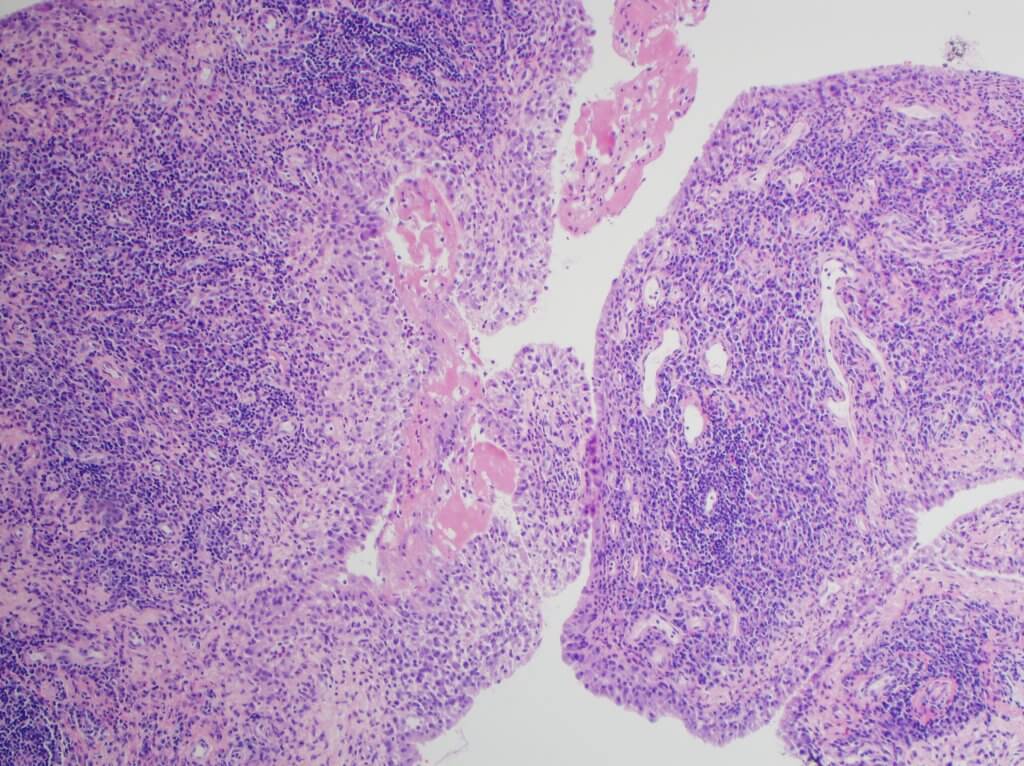
Before we dive into the specifics of diets and lifestyle adjustments, it is essential to understand the basics of rheumatoid disease management. Rheumatoid disease is a chronic condition, meaning it requires ongoing management to control symptoms and prevent flare-ups. The goal of rheumatoid disease management is to reduce inflammation, relieve pain, and improve joint function.
by National Cancer Institute (https://unsplash.com/@nci)Medications are a crucial aspect of rheumatoid disease management. They can help reduce inflammation, relieve pain, and slow down the progression of the disease. Some common medications used for rheumatoid disease management include: Nonsteroidal anti-inflammatory drugs (NSAIDs)Disease-modifying antirheumatic drugs (DMARDs)Biologic response modifiers Corticosteroids. It is essential to work closely with a healthcare professional to determine the best medication plan for each individual’s specific needs.
Physical activity and exercise are also essential for managing rheumatoid disease. While it may seem counterintuitive to move when experiencing joint pain, regular physical activity can help improve joint function, reduce pain, and increase overall strength and flexibility. Low-impact exercises such as swimming, cycling, and yoga are often recommended for people with rheumatoid disease. It is crucial to consult with a healthcare professional before starting any new exercise routine to ensure it is safe and appropriate for individual needs

.
Rest and Stress ManagementRest and stress management are also crucial aspects of rheumatoid disease management. Getting enough rest and managing stress levels can help reduce inflammation and prevent flare-ups. It is essential to prioritize self-care and listen to your body’s needs to avoid overexertion and stress.
While there is no specific diet that can cure rheumatoid disease, certain foods and dietary patterns can help manage symptoms and improve overall well-being. Here are some dietary recommendations for young people with rheumatoid disease:
by Chitto Cancio (https://unsplash.com/@chitz201)Inflammation is a significant factor in rheumatoid disease, and certain foods can help reduce inflammation in the body. These include: Fatty fish such as salmon, tuna, and sardines, which are rich in omega-3 fatty acids Colorful fruits and vegetables, which are high in antioxidants Whole grains, which are rich in fiber and can help reduce inflammation in the body,
Some foods can trigger inflammation and worsen the symptoms of rheumatoid disease. These include: Processed foods high in sugar and unhealthy fats Red meat and high-fat dairy products Foods high in refined carbohydrates, such as white bread and pasta. It is essential to listen to your body and pay attention to how certain foods make you feel. Keeping a food diary can help identify trigger foods and make necessary adjustments to your diet.
In addition to a healthy diet, some supplements may also help manage the symptoms of rheumatoid disease. These include:Omega-3 fatty acid supplements Vitamin D supplements Turmeric supplements, which have anti-inflammatory properties. It is crucial to consult with a healthcare professional before starting any new supplements, as they may interact with medications or have adverse effects.
In addition to diet, certain lifestyle adjustments can also help manage rheumatoid disease and improve overall well-being. Here are some recommendations for young people with rheumatoid disease:
by Keren Fedida (https://unsplash.com/@kerenfedida)Getting enough sleep is crucial for managing rheumatoid disease. It allows the body to rest and repair, reducing inflammation and preventing flare-ups. Aim for 7-9 hours of sleep each night and establish a consistent sleep schedule.
Stress can trigger inflammation and worsen the symptoms of rheumatoid disease. It is essential to find healthy ways to manage stress, such as practicing relaxation techniques, engaging in enjoyable activities, and seeking support from friends and family.
Smoking can worsen the symptoms of rheumatoid disease and increase the risk of developing other health conditions. Quitting smoking can help improve overall health and reduce inflammation in the body.

Assistive devices such as canes, walkers, and splints can help reduce strain on joints and improve mobility. It is essential to work with a healthcare professional to determine the best assistive devices for individual needs.
by Aziz Acharki (https://unsplash.com/@acharki95)Many young people with rheumatoid disease have successfully managed their symptoms through diets and lifestyle adjustments. Here are some real-life examples:
Sarah, a 25-year-old with rheumatoid disease, struggled with fatigue and joint pain, making it challenging to maintain an active lifestyle. After consulting with a healthcare professional, she made some dietary changes, including incorporating more anti-inflammatory foods and cutting out processed foods. She also started practicing yoga and swimming regularly, which helped improve her joint function and reduce pain.
Mark, a 30-year-old with rheumatoid disease, struggled with stress and anxiety, which often triggered flare-ups. He started practicing mindfulness and meditation, which helped him manage stress and reduce inflammation in his body. He also made some dietary changes, cutting out red meat and incorporating more fruits and vegetables, which helped improve his overall well-being.
While managing rheumatoid disease can be challenging, it is possible to live a fulfilling and active life with the right approach. Diets and lifestyle adjustments play a crucial role in managing symptoms and improving overall well-being. By incorporating anti-inflammatory foods, avoiding trigger foods, and making necessary lifestyle adjustments, young people with rheumatoid disease can take control of their health and live their best lives.
Rheumatoid disease, also known as rheumatoid arthritis, is a chronic autoimmune disorder that primarily affects the joints, leading to pain, stiffness, and swelling.
While commonly associated with older adults, rheumatoid disease can also affect young people, posing significant challenges in their daily lives and activities.
Common symptoms of rheumatoid disease include joint pain, stiffness, swelling, fatigue, and decreased range of motion.
Lifestyle adjustments such as getting enough sleep, managing stress, quitting smoking, and using assistive devices can help manage rheumatoid disease.
While there’s no specific diet to cure rheumatoid disease, certain foods, such as anti-inflammatory options, can help manage symptoms and improve overall well-being.
Low-impact exercises like swimming, cycling, and yoga are often recommended to help improve joint function, reduce pain, and enhance overall strength and flexibility.
Stress management is crucial in controlling the symptoms of rheumatoid disease, as high stress levels can trigger inflammation and worsen symptoms.
Anti-inflammatory foods such as fatty fish rich in omega-3 fatty acids, colorful fruits and vegetables high in antioxidants, and whole grains rich in fiber can benefit individuals with rheumatoid disease.
Omega-3 fatty acid supplements, vitamin D supplements, and turmeric supplements, which have anti-inflammatory properties, may help manage symptoms of rheumatoid disease.
Sarah, a 25-year-old, successfully managed her symptoms by incorporating more anti-inflammatory foods and practicing yoga and swimming. Mark, a 30-year-old, managed his stress and improved his diet by cutting out red meat and practicing mindfulness.


