Physical Address
304 North Cardinal St.
Dorchester Center, MA 02124
Physical Address
304 North Cardinal St.
Dorchester Center, MA 02124
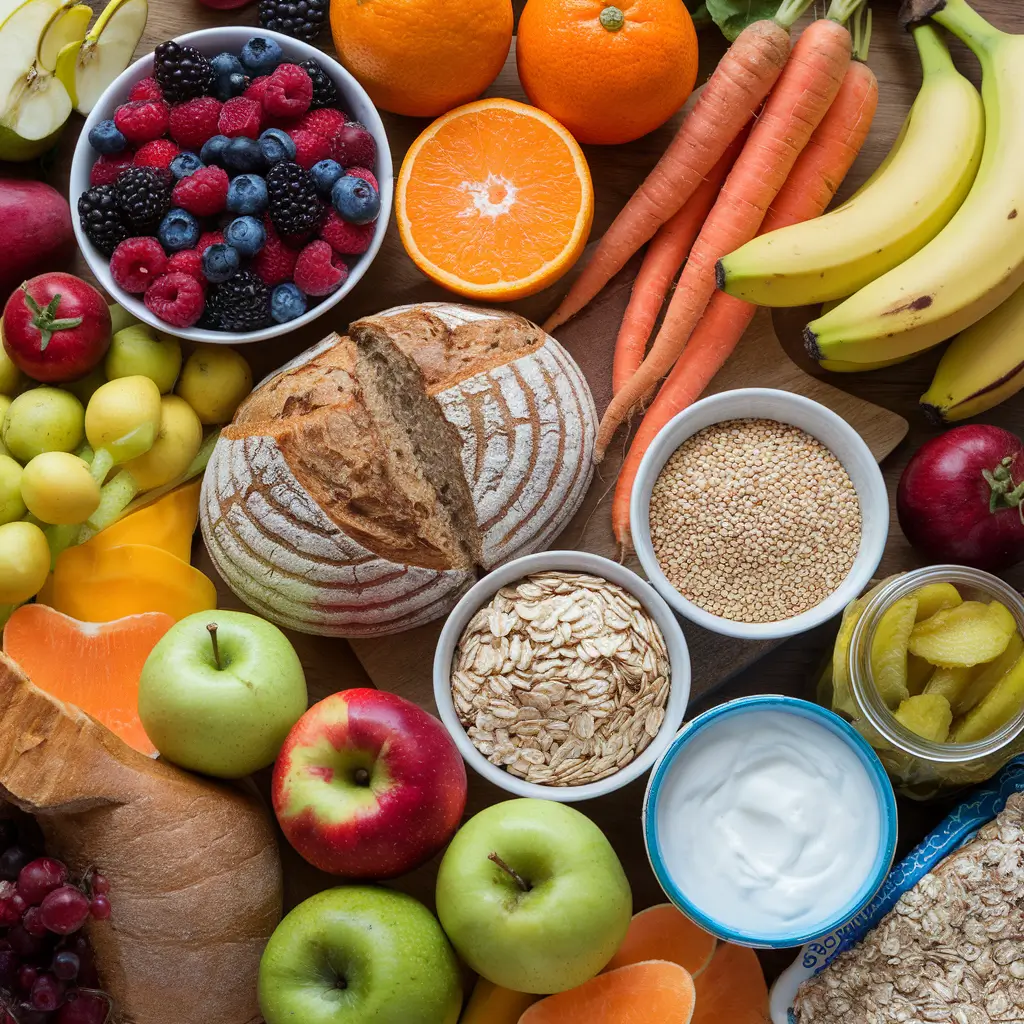
Discover the science behind gut bacteria and weight loss. Learn how optimizing your gut microbiome through targeted nutrition and lifestyle changes can support sustainable weight management and overall wellnes
Recently, lots of scientific research has uncovered a powerful connection between gut bacteria and weight losst. At the center of this discovery lies the gut microbiome, a diverse ecosystem of trillions of bacteria residing in our digestive system. These microscopic organisms do more than just help digest food—they play a crucial role in regulating metabolism, influencing cravings, and determining how the body stores fat.
Studies have shown that individuals with a well-balanced gut microbiome tend to have a higher metabolism and better weight control, while an imbalance in gut bacteria has been linked to obesity, digestive disorders, and metabolic slowdowns. This article explores the science behind gut bacteria and weight loss, the best foods to nourish a healthy microbiome, and practical strategies—such as probiotics, prebiotics, and meal planning—to optimize gut health for effective weight management.
By understanding the role of the microbiome, you can take informed steps toward sustainable weight loss and overall well-being. Let’s dive into the science behind gut bacteria and metabolism.
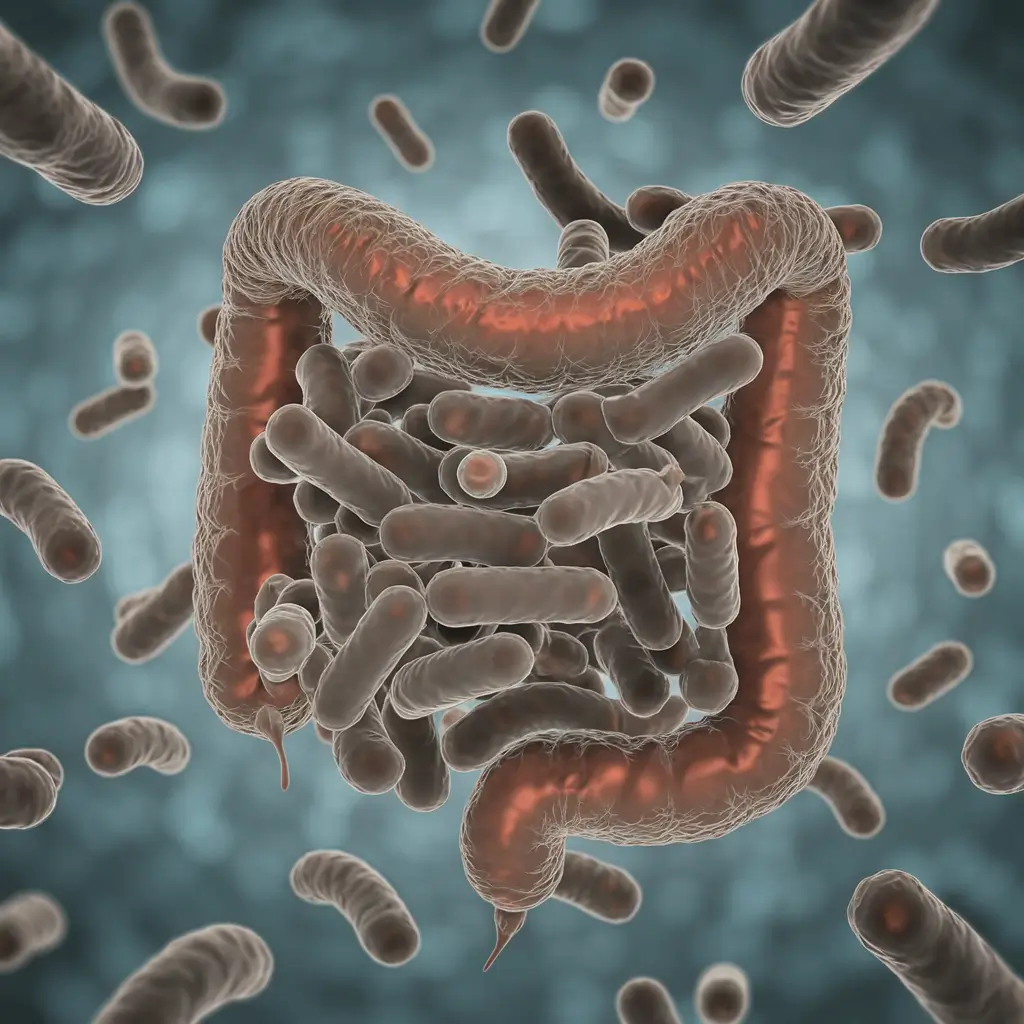
The gut microbiome is a complex ecosystem of bacteria that plays a crucial role in metabolism and digestion. Recent studies reveal that the composition of gut bacteria directly impacts nutrient absorption, energy expenditure, and fat storage. Let’s explore the three key ways gut bacteria influence weight loss.
The gut is home to trillions of microbes that help break down food, extract nutrients, and support overall digestion. Some bacteria produce short-chain fatty acids (SCFAs), which help regulate blood sugar levels and fat metabolism. Beneficial bacteria also aid in breaking down fiber-rich foods, preventing bloating and improving nutrient absorption.
A well-balanced gut microbiome ensures that the body efficiently processes nutrients rather than storing excess calories as fat. Conversely, an unhealthy gut—often caused by a diet high in processed foods and sugar—can lead to poor digestion, weight gain, and inflammation.
Your gut bacteria can influence your food cravings, steering you toward either healthy or unhealthy choices. Studies suggest that an overgrowth of harmful bacteria (such as Candida or Firmicutes) can increase cravings for sugar and processed foods, leading to overeating and weight gain.
On the other hand, beneficial gut bacteria, such as Lactobacillus and Bifidobacterium, help regulate hunger hormones like ghrelin and leptin, which control appetite and satiety. By fostering a balanced gut microbiome, you can naturally curb unhealthy cravings and promote better portion control.
Scientific research shows that gut bacteria influence how the body stores fat. Studies comparing lean and obese individuals reveal that those with a higher ratio of Firmicutes to Bacteroidetes bacteria tend to store more fat, while those with a higher proportion of Bacteroidetes are more likely to maintain a healthy weight.
An imbalance in gut bacteria can disrupt fat metabolism, causing the body to store excess calories rather than burn them for energy. By nourishing beneficial bacteria through diet and lifestyle changes, you can promote efficient fat metabolism and support weight loss
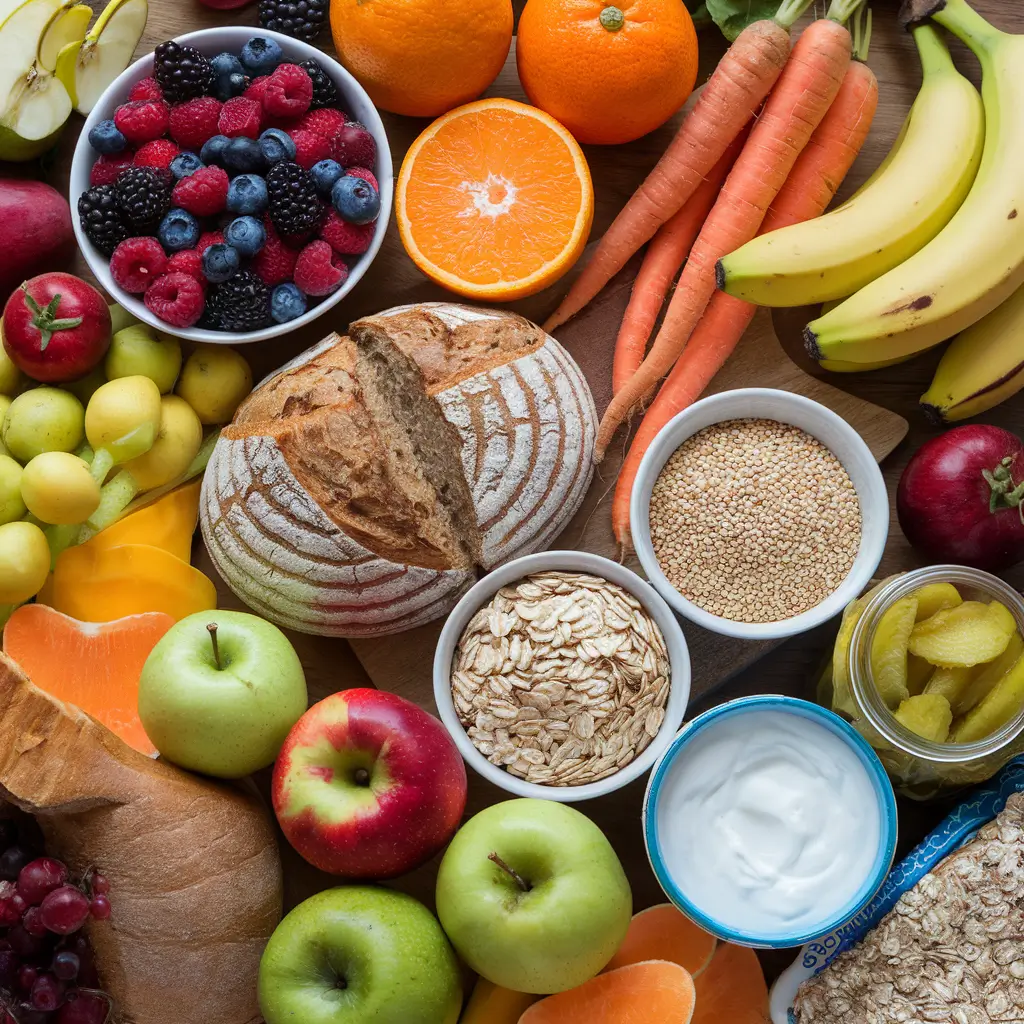
A balanced gut microbiome thrives on nutrients-dense, fiber-rich, and probiotic-packed foods. Eating the right foods can help increase beneficial bacteria, reduce inflammation, and optimize digestion—leading to better weight management. Below are the three essential food groups that support a healthy gut and metabolism.
Dietary fiber is essential for gut health because it serves as fuel for beneficial bacteria. A high-fiber diet helps reduce inflammation, regulate blood sugar, and promote digestive health.
Best fiber-rich foods for gut health:
Increasing fiber intake promotes the growth of beneficial bacteria, preventing harmful microbes from taking over.
Probiotics are live bacteria that support gut balance and aid digestion. Including probiotic-rich foods in your diet helps restore healthy gut flora and can improve weight management.
Best probiotic foods:
Studies suggest that probiotic bacteria like Lactobacillus and Bifidobacterium help reduce bloating, improve digestion, and support metabolism.
Prebiotics are non-digestible fibers that act as food for probiotics. They help nourish good bacteria, ensuring their survival and ability to maintain a healthy gut environment.
Best prebiotic foods:
Combining probiotics and prebiotics in your daily diet can significantly improve digestion, gut bacteria and weight los
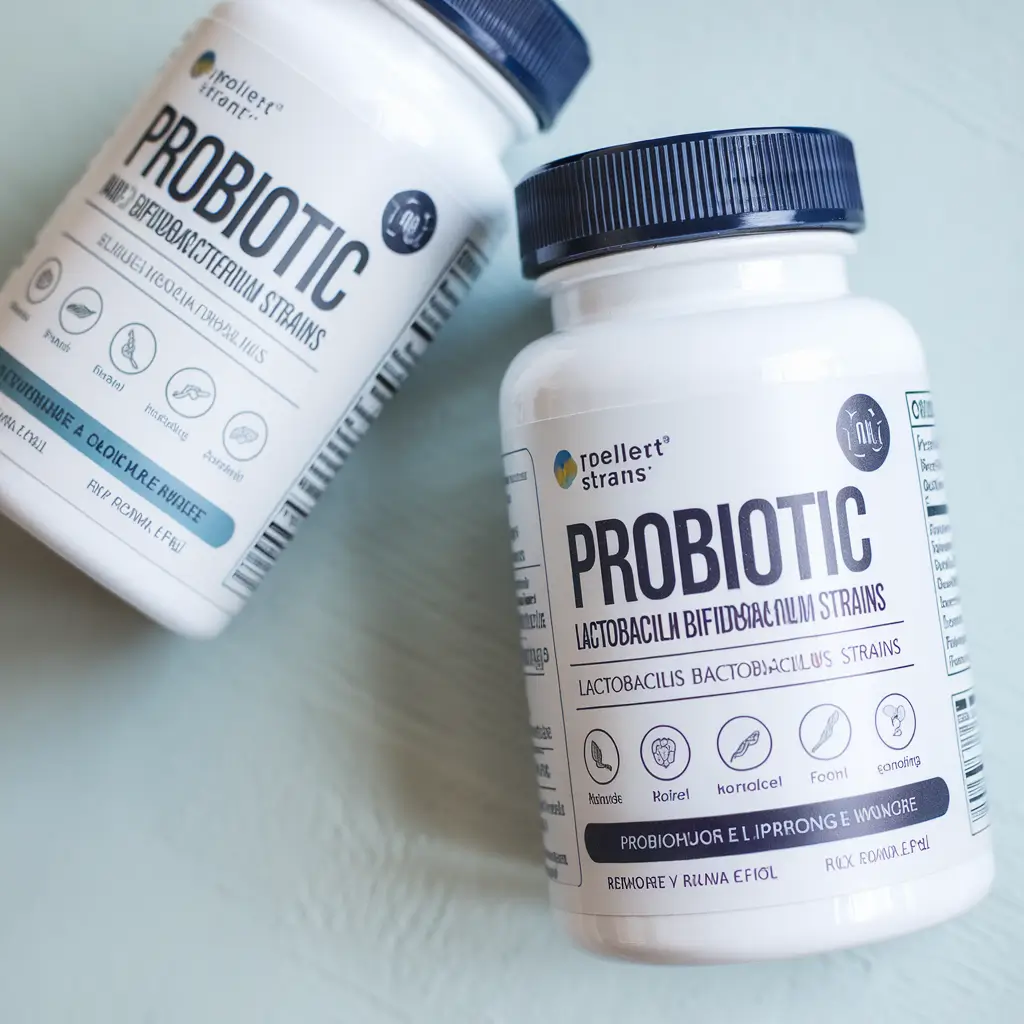
When it comes to improving gut health, many people wonder whether probiotic supplements or natural food sources are more effective. While both can play a role in balancing gut bacteria, there are important differences to consider.
Probiotic supplements are widely available and often contain specific strains of beneficial bacteria like Lactobacillus and Bifidobacterium, which support digestion and metabolism.
✅ Convenient and easy to take.
✅ Target specific gut health issues (e.g., bloating, IBS, or slow metabolism).
✅ Can introduce high concentrations of beneficial bacteria.
However, not all probiotic supplements are created equal. Many contain inactive or low-quality strains, and some may not survive stomach acid before reaching the intestines. This makes their effectiveness highly variable.
Many experts recommend getting probiotics from natural food sources, as they provide a diverse range of beneficial bacteria along with additional nutrients.
✅ Provide a variety of bacterial strains, enhancing gut diversity.
✅ Contain additional nutrients like vitamins, minerals, and fiber.
✅ More bioavailable—live cultures in foods are more likely to survive digestion.
For most people, a diet rich in probiotic and prebiotic foods is the best way to maintain gut health naturally. However, probiotic supplements may be useful for those with severe gut imbalances, recent antibiotic use, or digestive issues.
If you’re looking for long-term gut health and weight management, focus on a diet rich in probiotic and prebiotic foods. Supplements can be a helpful short-term boost, but real, whole foods are the foundation of a strong microbiome.
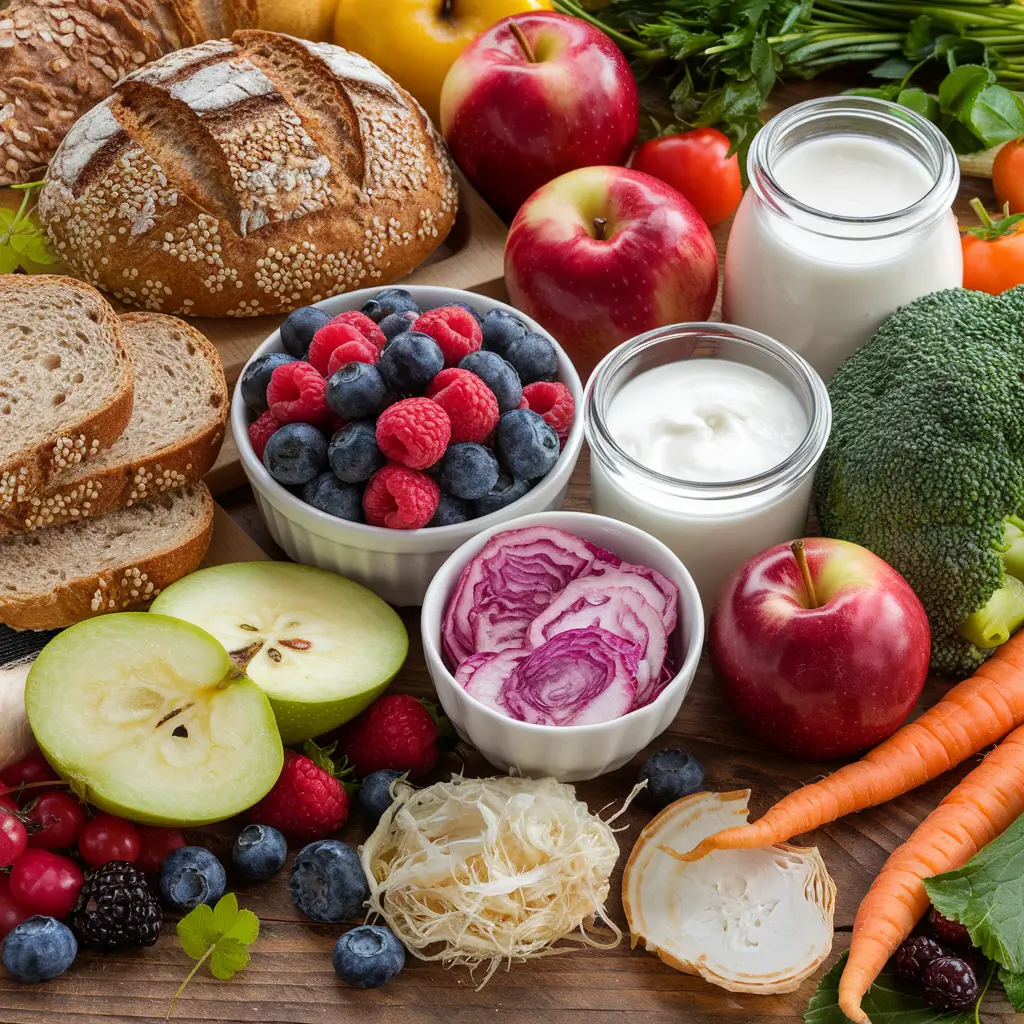
Scientific research continues to uncover the strong connection between gut microbiome health and weight management. Several studies have demonstrated how gut bacteria composition influences metabolism, fat storage, and even appetite regulation. Let’s explore some key findings and real-world case studies.
A groundbreaking study published in sciencedirect found that obese individuals have a higher ratio of Firmicutes to Bacteroidetes bacteria in their gut.
A 12-week clinical trial published in The British Journal of Nutrition examined the effects of Lactobacillus rhamnosus probiotics on weight loss in overweight individuals.
A well-documented case study involved fecal microbiota transplantation (FMT), where gut bacteria from a lean donor were transferred to an obese patient.
Many individuals have transformed their health by improving their gut microbiome. For example:
✅ A 45-year-old woman with chronic bloating and weight gain switched to a high-fiber, probiotic-rich diet and lost 20 pounds in three months.
✅ A fitness enthusiast struggling with stubborn fat added fermented foods and prebiotics to his diet and noticed improved digestion and faster fat loss.
The research is clear: optimizing gut bacteria can support weight loss. By making small, sustainable changes—such as eating more fiber, probiotics, and prebiotics—you can naturally shift your microbiome toward a healthier balance, improving metabolism and reducing fat storage.

Improving your gut microbiome for weight loss doesn’t have to be complicated. By making simple dietary and lifestyle changes, you can naturally support healthy digestion, reduce inflammation, and boost metabolism. Below are some practical tips followed by a 7-day meal plan to help you get started.
✅ Increase Fiber Intake – Aim for 25–30 grams of fiber daily from whole grains, fruits, and vegetables to feed beneficial gut bacteria.
✅ Eat More Fermented Foods – Incorporate yogurt, kimchi, sauerkraut, and kefir for natural probiotics.
✅ Reduce Processed Foods & Sugar – Excess sugar fuels harmful bacteria, leading to weight gain and cravings.
✅ Stay Hydrated – Drinking enough water supports digestion and gut function.
✅ Manage Stress – Chronic stress can alter gut bacteria; try meditation, exercise, or deep breathing techniques.
✅ Get Enough Sleep – Poor sleep disrupts gut bacteria and increases appetite-regulating hormone imbalances.
This meal plan includes prebiotic, probiotic, and fiber-rich foods to nourish your microbiome and support weight loss.
| Day | Breakfast | Lunch | Dinner | Snacks |
|---|---|---|---|---|
| Day 1 | Greek yogurt with berries & flaxseeds | Quinoa salad with chickpeas & avocado | Grilled salmon with roasted Brussels sprouts | Handful of almonds & kombucha |
| Day 2 | Oatmeal with bananas & chia seeds | Lentil soup with whole grain bread | Stir-fried tofu with kimchi & brown rice | Dark chocolate & walnuts |
| Day 3 | Scrambled eggs with spinach & sourdough | Grilled chicken with sweet potatoes & steamed broccoli | Baked cod with quinoa & asparagus | Kefir & apple slices |
| Day 4 | Smoothie with kefir, berries, and flaxseeds | Black bean tacos with cabbage slaw | Tempeh stir-fry with brown rice & sesame seeds | Handful of pumpkin seeds |
| Day 5 | Avocado toast on whole-grain bread | Mediterranean chickpea salad | Baked salmon with sautéed kale & quinoa | Sauerkraut & boiled egg |
| Day 6 | Chia pudding with coconut milk & almonds | Grilled shrimp with roasted veggies & quinoa | Lentil stew with whole grain toast | Probiotic yogurt & blueberries |
| Day 7 | Omelet with mushrooms & feta cheese | Turkey & hummus wrap with mixed greens | Miso soup with tofu & wild rice | Handful of walnuts & green tea |
✅ Rich in Fiber: Keeps digestion smooth and prevents bloating.
✅ Prebiotic & Probiotic Balance: Supports healthy gut bacteria.
✅ Low in Processed Sugars: Reduces cravings and inflammation.
✅ Balanced Macronutrients: Ensures satiety and steady energy levels.
The science is clear: gut microbiome health plays a vital role in weight loss and overall well-being. By making simple yet impactful changes—such as eating more fiber, incorporating probiotics, and reducing processed foods—you can improve digestion, curb cravings, and enhance fat metabolism.
✅ Your gut bacteria influence metabolism, fat storage, and hunger signals.
✅ A diet rich in fiber, probiotics, and prebiotics supports healthy gut flora.
✅ Reducing sugar and processed foods prevents harmful bacteria overgrowth.
✅ Probiotic supplements can be helpful, but natural sources are more effective for long-term gut health.
✅ A 7-day microbiome diet plan can kickstart your journey toward better digestion and weight management.
Now that you understand the powerful connection between gut health and weight loss, it’s time to take action!
🔹 Start by adding more gut-friendly foods to your diet.
🔹 Try the 7-day meal plan and track your digestion and energy levels.
🔹 Share your experience or ask questions in the comments below!
1. What is gut health and weight management?
Gut health refers to the balance and function of the gut microbiome, while weight management involves controlling body weight through diet, exercise, and lifestyle choices. A healthy gut microbiome can help regulate metabolism and reduce inflammation, aiding effective weight management.
2. How does the gut microbiome affect weight loss?
The gut microbiome influences nutrient absorption, energy expenditure, and fat storage. Beneficial bacteria help break down fiber, regulate blood sugar, and control hunger hormones, which together can enhance weight loss efforts and support a leaner body composition.
3. Which foods support gut health and weight management?
A diet rich in fiber, probiotics, and prebiotics supports gut health and weight management. Foods like whole grains, fruits, vegetables, yogurt, kefir, sauerkraut, and kimchi help nourish beneficial bacteria, improve digestion, and promote metabolic balance.
4. How do probiotics aid in weight management?
Probiotics introduce beneficial bacteria into the gut, which can help regulate appetite hormones, reduce bloating, and improve digestion. This leads to more efficient nutrient absorption and a balanced metabolism, contributing to better weight management over time.
5. Can improving gut health lead to sustainable weight loss?
Yes, optimizing gut health through dietary changes, probiotic and prebiotic consumption, and lifestyle adjustments can create a balanced microbiome. This balance supports metabolism, reduces cravings, and helps maintain a healthy weight over the long term.


