Physical Address
304 North Cardinal St.
Dorchester Center, MA 02124
Physical Address
304 North Cardinal St.
Dorchester Center, MA 02124

This exercise can involve researching and evaluating the effects of various diets, such as the African fusion diet, ketogenic diet, or plant-based diet, on aspects like energy levels, endurance, muscle recovery, and cognitive function. By examining scientific literature and empirical evidence, this exercise can provide insights into the intricate relationship between nutrition, exercise, and holistic health.
Maintaining optimal health is a goal that many people aspire to achieve. It’s not just about looking good; it’s about feeling good, staying active, and warding off diseases. The key to achieving and maintaining optimal health lies in the intricate relationship between nutrition and exercise. In this article, we will explore the science behind nutrition and exercise for optimal health.
Nutrition is often described as the cornerstone of good health. The food we eat provides the essential nutrients our bodies need to function properly. These nutrients include macronutrients like carbohydrates, proteins, and fats, as well as micronutrients like vitamins and minerals.
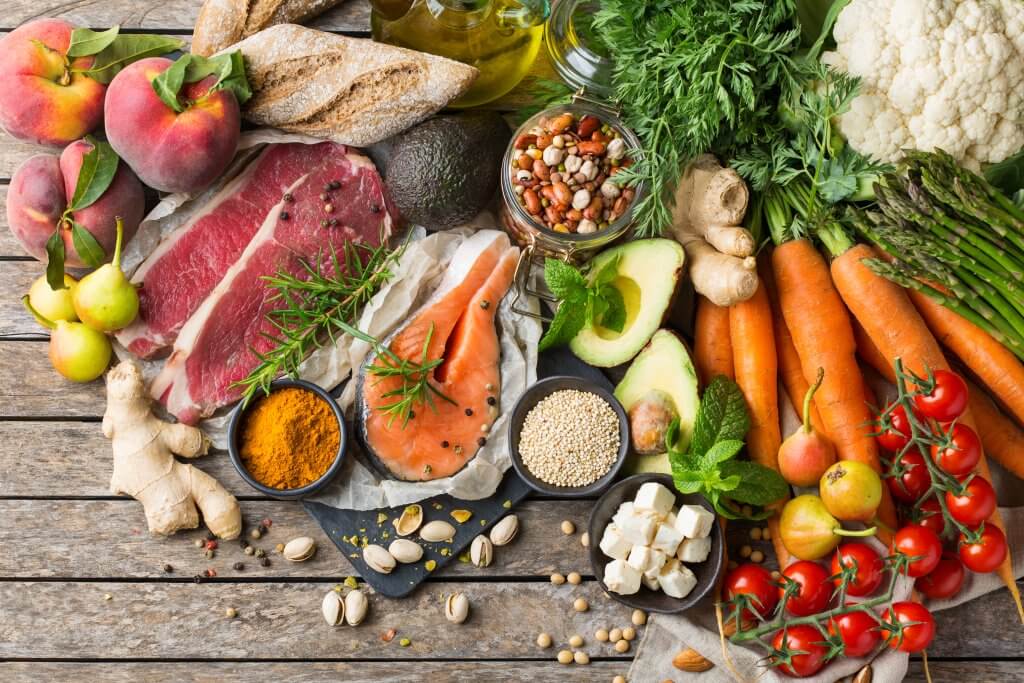
Carbohydrates are the body’s primary source of energy. They are broken down into glucose, which fuels our cells. Complex carbohydrates, found in foods like whole grains, provide sustained energy, while simple carbohydrates, found in sugar, offer quick energy but can lead to energy crashes.
Proteins are the building blocks of the body. They are essential for muscle growth and repair, immune function, and the production of enzymes and hormones. Sources of protein include meat, dairy, beans, and nuts.
Fats play a crucial role in cell structure, insulation, and energy storage. While too much saturated and trans fat can be harmful, healthy fats like those found in avocados, nuts, and fatty fish are essential for overall health.
Micronutrients, crucial for human health, are vital nutrients required in small quantities. These include vitamins and minerals essential for various physiological functions, such as growth, immune response, and overall well-being. Vitamins, like A, C, D, E, and K, play roles in vision, immunity, bone health, and blood clotting. Minerals like iron, calcium, and zinc are integral for functions including oxygen transport, bone health, and immune system support. Insufficient intake can lead to various health complications, such as anemia, weakened immunity, and bone disorders. Balancing a diet rich in micronutrients ensures optimal bodily functions and helps prevent deficiency-related ailments.

Vitamins are organic compounds that regulate various metabolic processes in the body. For example, vitamin C supports the immune system, while vitamin D is crucial for bone health.
Minerals like calcium, potassium, and iron are essential for maintaining healthy bones, regulating blood pressure, and forming red blood cells. A balanced diet that includes a variety of foods rich in these nutrients is essential for optimal health as Nutrient deficiencies can lead to various health issues, so it’s crucial to ensure you’re getting all the necessary vitamins and minerals through your diet.
Exercise is the other half of the equation when it comes to optimal health. It goes hand in hand with nutrition, and together, they form the foundation for a healthy lifestyle. Here’s a look at how exercise benefits the body:
This refers to maintaining a healthy body weight through a balanced approach of proper nutrition and regular physical activity. It involves regulating calorie intake, making healthy food choices, and adopting a sustainable exercise regimen. Effective weight management can reduce the risk of obesity-related health conditions like diabetes, heart disease, and certain cancers. It also promotes overall well-being and enhances one’s quality of life.
These activities helps burn calories, making it easier to maintain a healthy weight. Weight management is crucial because excess weight can increase the risk of chronic diseases like heart disease and diabetes.

Exercise strengthens the heart, reduces blood pressure, and improves blood circulation. It also raises HDL (good) cholesterol levels while lowering LDL (bad) cholesterol levels, reducing the risk of heart disease.
Resistance training, such as weightlifting, builds muscle mass and strengthens bones, reducing the risk of osteoporosis. Strong muscles also support joints and prevent injury.
Exercise releases endorphins, which are natural mood lifters. Regular physical activity can reduce symptoms of anxiety and depression and improve overall mental well-being.
Those who exercise regularly often experience better sleep patterns. A good night’s sleep is essential for overall health and cognitive function.

Exercise boosts the metabolism, making it easier to maintain a healthy weight. It also improves insulin sensitivity, reducing the risk of type 2 diabetes.
Physical activity can help reduce stress by promoting relaxation and providing an outlet for pent-up energy.
While both nutrition and exercise are essential for optimal health, their combined effects can be even more powerful. Here’s how they work together:
Achieving and maintaining a healthy weight is all about the balance between calories consumed and calories burned. Nutrition helps control calorie intake, while exercise helps burn calories. Together, they promote a healthy energy balance.
A diet rich in protein and essential nutrients supports muscle growth and repair. When combined with resistance training, it results in stronger, leaner muscles.
Proper timing of nutrient intake is crucial for optimizing exercise performance and recovery. Consuming carbohydrates and proteins before and after workouts can enhance energy levels and muscle recovery.
Regular exercise, particularly high-intensity interval training (HIIT), can improve metabolic health by increasing insulin sensitivity. When coupled with a balanced diet, it can help prevent type 2 diabetes.
Good nutrition and regular exercise contribute to better mental health. A well-balanced diet provides the nutrients necessary for brain function, while exercise releases mood-enhancing chemicals.
The combination of proper nutrition and regular physical activity can extend your lifespan by reducing the risk of chronic diseases and promoting overall well-being.
Now that we’ve explored the science of nutrition and exercise for optimal health, it’s essential to create a personalized plan that works for you. Here are some steps to get started:
Before making significant changes to your diet or exercise routine, consult with a healthcare provider or a registered dietitian. They can provide personalized recommendations based on your health goals and needs.
Define clear, achievable goals for your health journey. Whether it’s losing weight, gaining muscle, or improving overall well-being, having specific objectives will keep you motivated.
Aim for a balanced diet that includes a variety of foods from all food groups. Focus on whole, unprocessed foods while limiting sugar, saturated fats, and sodium.
Find physical activities that you enjoy, whether it’s walking, swimming, dancing, or weightlifting. Consistency is key, so aim for at least 150 minutes of moderate-intensity exercise or 75 minutes of vigorous-intensity exercise per week.
Keep track of your diet and exercise routines to ensure you’re staying on track with your goals. Adjust your plan as needed based on your progress and any feedback from healthcare professionals.
Stay up-to-date with the latest research and recommendations in the fields of nutrition and exercise. Science is continually evolving, and new findings can help fine-tune your health plan.
The science of nutrition and exercise provides valuable insights into achieving and maintaining optimal health. By understanding the role of nutrients in your diet and the benefits of physical activity, you can take proactive steps toward a healthier, happier life. Remember that everyone’s journey is unique, so tailor your nutrition and exercise plan to meet your specific needs and goals.


