Physical Address
304 North Cardinal St.
Dorchester Center, MA 02124
Physical Address
304 North Cardinal St.
Dorchester Center, MA 02124

Discover effective treatments that go beyond conventional approaches, delving into the holistic realm of reproductive health. This exploration is not just a clinical examination but a guide through personal stories, triumphs, and resilience on the path to parenthood. Fertility challenges may seem daunting, but within this exploration, you'll find empowerment and hope. We navigate the complexities of ovulation disorders, offering insights that extend beyond medical knowledge. Join us on a journey where understanding meets compassion, where knowledge meets support, and where the path to parenthood becomes clearer through shared experiences and proven solutions.
Infertility can be a challenging journey for many couples, and one factor that often plays a crucial role is ovulation disorders. Understanding the intricacies of these disorders is paramount for those navigating fertility challenges. In this article, we will delve into the secrets of ovulation disorders, exploring their types, causes, impact on fertility, diagnosis, treatment options, and much more.

Ovulation is a crucial step in the menstrual cycle, where an egg is released from the ovary, ready for fertilization by sperm. When this process is disrupted or irregular, it can result in ovulation disorders. These disorders can manifest in various ways, such as irregular menstrual cycles, infrequent ovulation, or the absence of ovulation altogether. Common causes include hormonal imbalances, polycystic ovary syndrome (PCOS), thyroid disorders, stress, excessive exercise, and certain medical conditions or medications.
Ovulation disorders are a significant concern for individuals and couples trying to conceive because successful fertilization and pregnancy depend on the regular release of eggs. When ovulation is irregular or absent, it can make it challenging to predict the fertile window and increase the difficulty of achieving pregnancy.
In some cases, addressing the underlying cause of the ovulation disorder, such as hormone imbalances or lifestyle factors, can help restore regular ovulation and improve fertility. Medical interventions, such as fertility medications, may also be recommended to stimulate ovulation.

It’s important for individuals experiencing difficulties in conceiving to seek guidance from healthcare professionals, such as reproductive endocrinologists or fertility specialists, who can assess the specific situation and provide appropriate recommendations and treatments tailored to the individual’s needs.
Ovulation disorders can significantly impact reproductive health, creating hurdles for individuals and couples striving to conceive. Understanding these disorders is essential for seeking appropriate guidance and interventions. Here, we explore three distinct types of ovulation disorders: anovulation, irregular ovulation, and luteal phase defects.
Anovulation, characterized by the absence of ovulation, is a prevalent ovulation disorder affecting women’s reproductive cycles. Women grappling with anovulation often encounter challenges in predicting fertile periods, introducing unpredictability to the conception process. Identifying and addressing the root causes of anovulation is crucial for those seeking to enhance their chances of a successful conception.
Irregular ovulation, marked by unpredictable releases of eggs, leads to variations in menstrual cycles. This inconsistency poses a significant challenge for couples attempting to time conception accurately. Understanding the underlying factors contributing to irregular ovulation is pivotal in developing effective strategies to regulate the ovulatory process and improve fertility outcomes.
The luteal phase defect is another ovulation disorder where the post-ovulation period is shortened. This condition can impact the implantation of the fertilized egg, posing a potential barrier to successful pregnancies. Recognizing the signs and addressing luteal phase defects through targeted interventions is essential for optimizing the chances of a healthy pregnancy. Seeking professional guidance is crucial for individuals navigating the complexities of ovulation disorders, ensuring tailored approaches to enhance fertility
Understanding the causes is pivotal in addressing ovulation disorders effectively. Identifying and addressing these underlying factors is crucial for individuals and couples striving to overcome fertility challenges. Here, we delve into two prominent causes: hormonal imbalances and polycystic ovary syndrome (PCOS).
Fluctuations in hormonal levels, particularly those involving estrogen and progesterone, can disrupt the delicate balance required for regular ovulation. Hormonal imbalances are a common culprit behind ovulation disorders, affecting the timing and release of eggs. Comprehensive hormonal assessments and targeted interventions are key in restoring equilibrium and promoting consistent ovulation, thereby enhancing fertility prospects for those facing challenges in conception.

PCOS, a prevalent condition among women of reproductive age, can significantly impact ovulation. The presence of cysts on the ovaries in PCOS can lead to irregular ovulation patterns, making it challenging for women to predict fertile periods accurately. Understanding the specific manifestations of PCOS and addressing its multifaceted nature are crucial steps in managing ovulation disorders associated with this syndrome. Tailored interventions, including lifestyle modifications and medical treatments, play a pivotal role in promoting regular ovulation and improving the chances of successful conception for individuals with PCOS.
Modern lifestyles, characterized by high stress and erratic routines, can contribute to hormonal imbalances, affecting the ovulation process. The intricate interplay between stress and reproductive hormones can disrupt the delicate balance necessary for regular ovulation, impacting fertility.
Chronic stress triggers the release of cortisol, a hormone that, in excess, can interfere with the production of reproductive hormones. This disruption may lead to irregularities in the ovulatory cycle, making it challenging for individuals to predict optimal conception windows. Lifestyle factors such as insufficient sleep, poor nutrition, and lack of physical activity further compound these issues.
Recognizing the impact of stress on ovulation underscores the importance of stress management strategies for those navigating fertility challenges. Incorporating stress-reducing activities, adopting healthy lifestyle habits, and seeking support can contribute to hormonal balance and promote more regular ovulation. Addressing stress and lifestyle factors is a proactive approach to optimizing reproductive health and increasing the likelihood of successful conception.
The link between ovulation disorders and fertility is undeniable, with these disorders exerting a substantial influence on the ability to conceive and sustain a pregnancy.
Couples grappling with ovulation disorders may find it challenging to conceive naturally. The irregularity or absence of ovulation complicates the timing of intercourse for optimal conception, necessitating intervention to enhance the chances of pregnancy. Seeking professional guidance from fertility experts becomes crucial for couples navigating ovulation disorders, as tailored strategies and treatments can address specific challenges and improve the likelihood of successful conception.
Ovulation disorders not only impact the initiation of pregnancy but also contribute to an increased risk of miscarriage. Irregular ovulation and hormonal imbalances can affect the quality of the fertilized egg or the implantation process, heightening the likelihood of pregnancy loss. Recognizing and addressing ovulation disorders promptly through comprehensive fertility assessments and targeted interventions are vital steps in mitigating the risk of miscarriage and promoting healthier reproductive outcomes. Timely diagnosis and management are key elements in supporting individuals and couples dealing with the complexities of ovulation disorders on their fertility journey.
Accurate diagnosis is the first step toward effective treatment for individuals experiencing ovulation disorders. Various diagnostic methods play a crucial role in identifying the specific nature of the disorder, allowing healthcare professionals to tailor interventions accordingly.

Keeping a meticulous record of menstrual cycles is a fundamental diagnostic tool. This practice helps individuals and healthcare professionals identify irregularities in the timing and duration of menstrual periods. Patterns such as absent or irregular ovulation can be discerned, providing valuable information for diagnosing ovulation disorders. Menstrual cycle tracking is often a starting point in the diagnostic process, offering insights into the regularity of the reproductive cycle.
Blood tests that measure hormone levels, including follicle-stimulating hormone (FSH) and luteinizing hormone (LH), play a pivotal role in diagnosing ovulation disorders. Elevated or reduced levels of these hormones can indicate hormonal imbalances that disrupt the ovulatory process. Hormone level testing provides quantitative data, aiding healthcare professionals in pinpointing specific issues and guiding the development of targeted treatment plans.
Advanced imaging techniques, such as ultrasound, offer valuable insights into the structure and function of the ovaries. Ultrasound examinations can reveal the presence of cysts, structural abnormalities, or other factors affecting ovulation. This non-invasive diagnostic approach enhances the understanding of the physical aspects contributing to ovulation disorders, facilitating more informed decision-making regarding treatment strategies. Incorporating imaging techniques into the diagnostic process contributes to a comprehensive assessment of the reproductive system, aiding in the accurate identification of ovulation disorders.
A multi-faceted approach is often necessary for managing ovulation disorders, involving a combination of lifestyle modifications and medical interventions tailored to individual needs.
Simple changes in lifestyle play a pivotal role in addressing ovulation disorders. Maintaining a healthy weight is particularly significant, as both underweight and overweight conditions can disrupt hormonal balance, affecting ovulation. Adopting stress-reducing practices is equally crucial, given the intricate link between stress and reproductive hormones. Engaging in regular physical activity, ensuring sufficient sleep, and incorporating a balanced diet contribute to overall well-being and can positively influence the regularity of ovulation. Lifestyle modifications serve as foundational elements in optimizing fertility and are often recommended as a first line of intervention for individuals facing ovulation challenges.
In addressing ovulation disorders, healthcare professionals may prescribe fertility medications as part of the treatment plan. One commonly prescribed medication is clomiphene citrate, which is designed to stimulate ovulation and enhance the chances of conception in specific cases.
Clomiphene citrate is an oral medication that works by influencing the hormonal signals in the body, particularly those related to the regulation of the menstrual cycle. It is often employed to induce or enhance ovulation in women facing challenges in this aspect of their reproductive health. By promoting the release of eggs from the ovaries, clomiphene citrate increases the likelihood of successful fertilization during intercourse.
Healthcare professionals carefully assess each individual’s situation before prescribing clomiphene citrate. Monitoring is a crucial aspect of the treatment process, involving regular assessments of ovarian response and adjusting the medication dosage if necessary. This personalized approach ensures that the medication is tailored to the specific needs of the individual, optimizing its effectiveness while minimizing potential side effects.
Fertility medications, including clomiphene citrate, are valuable tools in the comprehensive management of ovulation disorders. They are often integrated into a holistic treatment plan, considering lifestyle modifications and other interventions to enhance the overall success of the fertility journey.
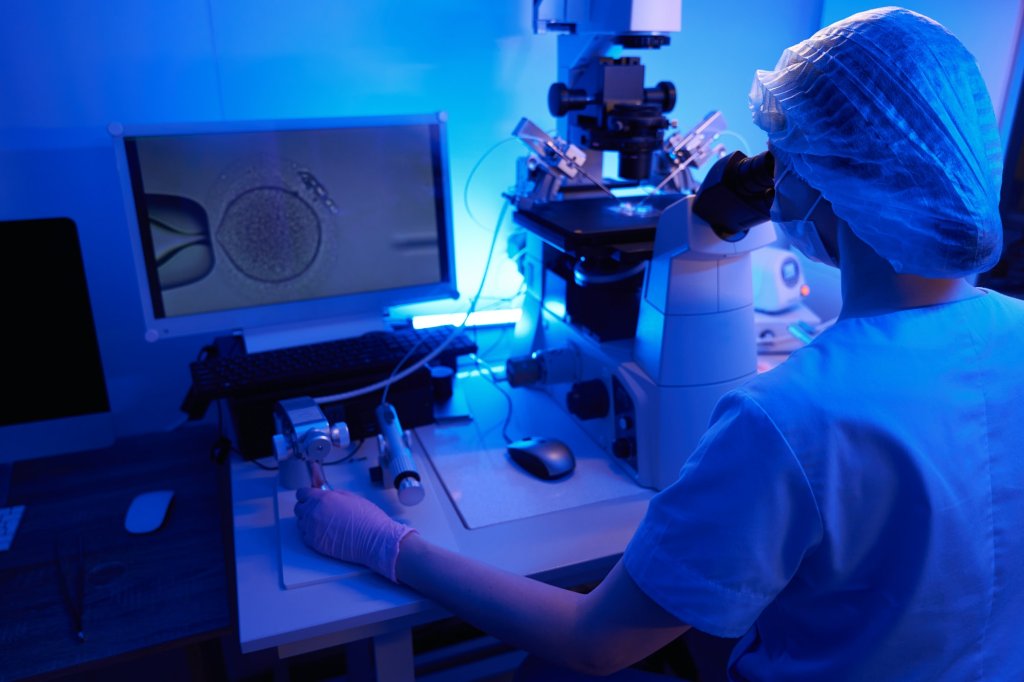
For couples facing severe ovulation challenges, assisted reproductive technologies (ART) offer viable alternatives, opening new possibilities for achieving pregnancy when conventional methods prove insufficient.
In vitro fertilization (IVF) is a well-established ART procedure that involves the fertilization of an egg and sperm outside the body, typically in a laboratory setting. This method is particularly beneficial for individuals with ovulation disorders, as it bypasses the need for regular ovulation. During IVF, mature eggs are retrieved from the ovaries and fertilized with sperm in a controlled environment. The resulting embryos are then transferred to the uterus, increasing the chances of successful implantation and pregnancy.
Beyond IVF, various other ART procedures cater to specific fertility challenges associated with ovulation disorders. Intracytoplasmic Sperm Injection (ICSI), for example, involves the direct injection of a single sperm into an egg to facilitate fertilization. These advanced techniques enable healthcare professionals to address intricate reproductive issues, offering hope and solutions to couples struggling with severe ovulation difficulties.
ART procedures, while more complex and involved than traditional methods, have revolutionized the landscape of fertility treatment. They provide a path to parenthood for individuals and couples facing significant ovulation challenges, offering a range of options tailored to specific needs and circumstances.

Nutrition and exercise play a pivotal role in hormonal regulation, exerting a profound influence on ovulation and overall reproductive health. Understanding this connection is crucial for individuals navigating fertility challenges and seeking holistic approaches to optimize their reproductive well-being.
Balanced nutrition and regular exercise contribute to the maintenance of hormonal equilibrium, a fundamental aspect of reproductive health. Hormonal imbalances, often associated with ovulation disorders, can be positively influenced by adopting a healthy lifestyle. Nutrient-dense foods and physical activity support the body in achieving and sustaining optimal hormonal levels, promoting regular ovulation and enhancing the chances of successful conception.
Incorporating fertility-friendly foods and supplements is a recommended strategy to support hormonal balance and improve reproductive outcomes. A well-rounded diet rich in essential nutrients such as vitamins, minerals, and antioxidants is beneficial for reproductive health. Specific dietary changes, including increased intake of fruits, vegetables, whole grains, and lean proteins, can positively impact hormonal regulation. Additionally, certain supplements, such as folic acid and omega-3 fatty acids, are recognized for their potential to enhance fertility. Consulting with healthcare professionals or nutrition experts can guide individuals in tailoring their dietary choices to address specific needs and promote optimal reproductive health
Fertility challenges often comes with a significant emotional toll, impacting mental well-being and emphasizing the importance of acknowledging and addressing the emotional aspect of the journey to parenthood.
Infertility can lead to a range of psychological effects, including stress, anxiety, depression, and feelings of isolation. The emotional impact extends beyond the physical aspects of fertility struggles, highlighting the need for holistic support and strategies to cope with the complex and often overwhelming feelings associated with infertility.

Building a robust support system is crucial for individuals and couples facing the emotional challenges of fertility struggles. Friends, family, and support groups provide valuable outlets for expressing emotions, sharing experiences, and gaining perspective. Additionally, seeking professional counseling or therapy can offer specialized support in navigating the psychological effects of infertility.
Trained counselors can help individuals and couples develop coping mechanisms, enhance resilience, and address the emotional complexities that arise during the fertility journey. Acknowledging and addressing the emotional toll of infertility is an integral part of comprehensive care. By fostering a supportive environment and utilizing counseling resources, individuals and couples can better cope with the emotional challenges associated with fertility struggles, promoting overall well-being and resilience on the path to parenthood.
Highlighting strategies and success stories reinforces the idea that overcoming ovulation disorders is possible with the right approach and support. While facing challenges in fertility can be daunting, numerous individuals and couples have successfully navigated ovulation disorders, illustrating the resilience of the human spirit and the effectiveness of various strategies.
The key to overcoming ovulation disorders often lies in the development of tailored treatment plans. These plans may include a combination of lifestyle modifications, fertility medications, assisted reproductive technologies (ART), and emotional support. Each individual’s journey is unique, and a personalized approach, guided by healthcare professionals, enhances the likelihood of success.
Incorporating lifestyle modifications, such as maintaining a healthy weight, adopting stress-reducing practices, and making dietary changes, can positively impact ovulation. Holistic approaches that consider both physical and emotional well-being contribute to a comprehensive strategy for overcoming ovulation challenges.
Sharing success stories can inspire hope and motivation among those facing ovulation disorders. Hearing about individuals or couples who have successfully conceived and built their families despite fertility challenges reinforces the message that overcoming ovulation disorders is achievable. These stories serve as a testament to the resilience of the human spirit and the transformative power of perseverance.
By highlighting strategies, sharing success stories, and fostering a supportive community, the narrative surrounding ovulation disorders can shift from one of challenge to one of empowerment. Acknowledging the possibilities for success encourages individuals and couples to approach their fertility journey with optimism and determination, knowing that with the right approach and support, overcoming ovulation disorders is a realistic and attainable goal.
Anticipating future trends in ovulation disorder research involves recognizing the dynamic landscape of reproductive medicine and the continuous quest for advancements in understanding and treating fertility challenges.
Ongoing research in reproductive medicine is paving the way for significant advancements in the field of ovulation disorders. Scientists and healthcare professionals are delving into the intricacies of reproductive processes, hormonal regulation, and genetic factors, seeking a deeper understanding of the root causes of ovulation disorders. This knowledge serves as the foundation for developing more targeted and effective interventions to address these challenges.
The future of ovulation disorder research holds the promise of breakthroughs that may reshape the landscape of fertility treatment. Emerging technologies, such as advanced genetic testing and precision medicine approaches, offer the potential for more personalized and precise interventions. Innovations in assisted reproductive technologies (ART) may further enhance success rates, providing new avenues for individuals and couples facing ovulation difficulties.

The integration of emerging technologies, including artificial intelligence and big data analytics, may play a crucial role in identifying patterns and predicting outcomes related to ovulation disorders. This data-driven approach has the potential to refine diagnostic accuracy, tailor treatment plans more precisely, and improve overall reproductive outcomes.
As research in ovulation disorders progresses, the collaboration between researchers, healthcare professionals, and technological advancements holds the key to unlocking new possibilities in the realm of fertility treatment. The continuous pursuit of knowledge and innovation is poised to bring about transformative changes, offering hope and improved prospects for individuals and couples striving to overcome ovulation challenges on their journey to building a family.
Understanding the relationship between age and ovulation disorders is crucial for tailoring fertility interventions to the unique considerations of different age groups. Age-related factors can influence the frequency and regularity of ovulation, impacting the overall reproductive health of individuals.
As individuals age, hormonal changes and a decline in ovarian reserve can contribute to ovulation irregularities. It is essential to recognize these age-related factors when assessing and addressing ovulation disorders. Fertility considerations may vary significantly between women in their twenties, thirties, and beyond, necessitating tailored approaches to optimize reproductive outcomes.
Tailoring treatment strategies to align with age-related considerations enhances the effectiveness of fertility interventions. Younger individuals may benefit from lifestyle modifications and stress management, while those in their later reproductive years might explore advanced fertility treatments. A personalized approach, guided by healthcare professionals, ensures that interventions address the specific needs of individuals at different stages of life.
In addition to age-specific considerations, lifestyle adjustments play a crucial role in supporting ovulation and overall fertility.
Incorporating stress management techniques into daily routines can positively impact ovulation. Stress can disrupt hormonal balance, affecting the regularity of the menstrual cycle. Techniques such as mindfulness, meditation, and relaxation exercises can help mitigate stress and contribute to improved reproductive health.
Adopting lifestyle adjustments that create a conducive environment for fertility can enhance the chances of conception. This includes maintaining a healthy weight, engaging in regular physical activity, and ensuring proper nutrition. Avoiding exposure to harmful substances and environmental toxins is also important for creating a fertility-friendly lifestyle.
By considering age-related factors and incorporating lifestyle adjustments, individuals and couples can take proactive steps to support ovulation and optimize their fertility journey. Consulting with healthcare professionals for personalized guidance ensures that interventions align with individual circumstances, fostering the best possible reproductive outcomes.
Addressing common myths surrounding ovulation disorders is crucial for empowering individuals to make informed decisions about their reproductive health. Dispelling misconceptions and challenging stereotypes associated with ovulation challenges contribute to a more nuanced and accurate understanding of fertility issues.
Misconceptions about ovulation disorders can lead to unnecessary anxiety and misunderstandings. By debunking myths, individuals gain a clearer perspective on the realities of ovulation challenges. Common myths may include misconceptions about the causes of ovulation disorders, the effectiveness of certain remedies, or the belief that fertility issues are solely a female concern.
Stereotypes surrounding fertility challenges can perpetuate stigma and misinformation. Dispelling stereotypes associated with ovulation disorders is crucial for promoting a more inclusive and understanding societal perspective. Recognizing that fertility issues can affect individuals of all genders and backgrounds helps create a supportive environment for those navigating reproductive health challenges.
Recognizing when to seek professional help is a pivotal step in addressing ovulation disorders and promoting reproductive health.
Understanding the signs that prompt consultation with a fertility specialist is essential for timely intervention. Persistent irregularities in menstrual cycles, unsuccessful attempts at conception, or specific risk factors may warrant seeking the expertise of a fertility specialist. Consulting a professional ensures that individuals receive accurate assessments, personalized guidance, and appropriate interventions tailored to their unique circumstances.
Timely intervention significantly improves the chances of successful management of ovulation disorders. Seeking professional help at the right time allows for a comprehensive assessment of the underlying causes and the implementation of targeted treatment plans. Early intervention also provides emotional support, addressing the psychological aspects of fertility challenges and promoting overall well-being.
By dispelling myths, challenging stereotypes, and recognizing the importance of timely intervention, individuals can approach ovulation disorders with a more informed and empowered perspective. Seeking professional help ensures access to the necessary expertise and resources to navigate fertility challenges effectively.
In unraveling the secrets of ovulation disorders, it becomes evident that knowledge is power in the realm of fertility. By understanding the types, causes, and impacts of these disorders, individuals can make informed choices and seek timely interventions. Infertility is a journey with challenges, but armed with information and a proactive approach, the path to parenthood can become more navigable.
While some ovulation disorders can be effectively managed, complete cure depends on the underlying cause and individual factors.
Yes, lifestyle modifications can have a significant impact on regulating ovulation and improving fertility outcomes.
Age can influence the success of fertility treatments, and strategies may need to be tailored based on the individual’s age.
Ovulation predictor kits can be helpful, but they may not provide a complete picture, and consultation with a healthcare professional is recommended.
While stress can contribute to hormonal imbalances, it is usually a combination of factors that lead to ovulation disorders.
Some individuals may find relief through natural remedies, but it’s essential to consult with a healthcare provider for personalized advice.
Fertility counseling can be highly beneficial in addressing the emotional aspects of fertility struggles and providing coping strategies.
The time it takes to regulate ovulation with medication varies depending on the specific medication and individual response.
In some cases, ovulation disorders may be linked to other health issues, underscoring the importance of comprehensive healthcare.
Depending on the severity of the ovulation disorder, some individuals may conceive naturally, while others may require medical assistance.


