Rooted in Knowledge: Debunking Myths and Unveiling the Truth About Root Vegetables
Welcome to the ultimate journey through the realm of root vegetables! Our comprehensive guide is your gateway to debunking myths, uncovering tasty recipes, and exploring the hidden benefits of these nutritional powerhouses. Get ready to transform your culinary experience and embrace the healthful wonders of root veggies
Root vegetables, deeply embedded in the culinary history of humanity, have stood the test of time as essential dietary staples. These underground treasures, ranging from carrots to beets, not only contribute an array of flavors but also serve as a rich source of vital nutrients. Over centuries, they have adorned our plates, offering sustenance and culinary inspiration.
In the following exploration, we embark on a journey through the world of root vegetables, dissecting their significance and demystifying prevalent misconceptions. Rooted in tradition and nutritional abundance, these vegetables have earned their place in diverse cuisines globally.
As we navigate this insightful journey, our focus is twofold: dispelling common myths that have clouded the perception of root vegetables and shining a spotlight on the authentic benefits they bring to the table. Beyond their earthly appearances lies a tapestry of nutritional richness waiting to be unraveled.
Let us uncovering the truth about root vegetables together—a journey that transcends taste and delves deep into their role as culinary companions and nutritional powerhouses. It’s time to rediscover the essence of these humble yet extraordinary gems, embracing a renewed appreciation for their place in our diets and the stories they tell through centuries of human nourishment.
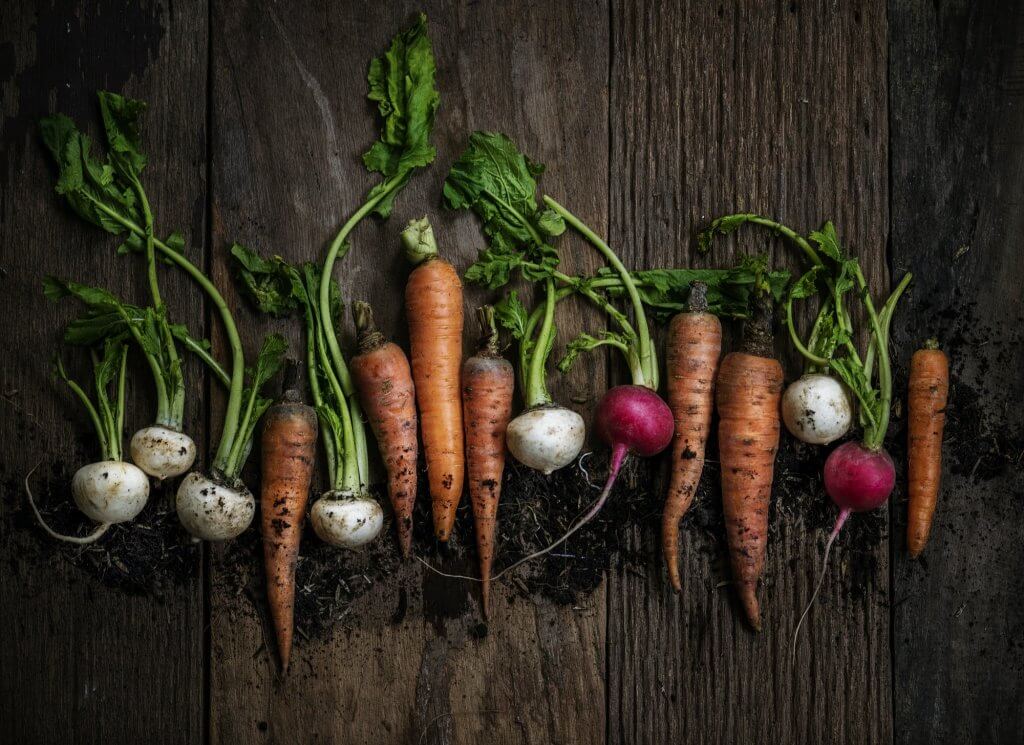
Variety of root vegetables
A. Definition of Root Vegetables
To unravel the mysteries surrounding root vegetables, it’s crucial to grasp their fundamental definition. Root vegetables are plant roots that stand as both edible delights and integral components of diverse global cuisines. From the familiar crunch of carrots to the sweet, earthy notes of sweet potatoes, these subterranean marvels present a varied spectrum of tastes and textures.
In essence, root vegetables are the nourishing underground reservoirs of plants, providing not only sustenance but also intricate pots of flavors. Their culinary versatility knows no bounds, as they seamlessly integrate into dishes worldwide, adding depth and character to the gastronomic landscape. Understanding the nature of these underground wonders lays the foundation for debunking myths and appreciating the rich contributions they make to our palates and cultural heritage
B. Importance of Root Vegetables in Diets
Root vegetables are not merely culinary companions; they play a pivotal role in enhancing our overall health and well-being. Here’s an in-depth look at the significance they hold in our diets:
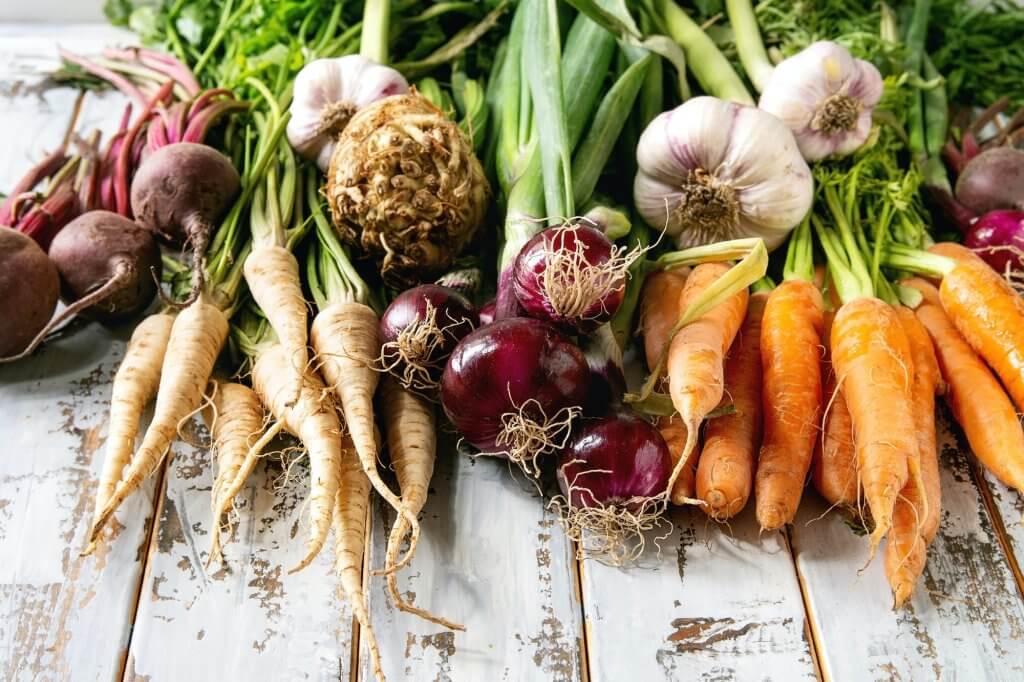
Bunch of root vegetable
Nutrient-Rich Powerhouses:
Root vegetables boast a rich concentration of essential nutrients, including vitamins, minerals, and antioxidants.
These nutritional powerhouses contribute to various bodily functions, promoting optimal health and vitality.
Versatile Culinary Ingredients:
Root vegetables add a layer of versatility to the culinary landscape, accommodating various cooking methods and styles.
Their adaptability allows them to be incorporated into an extensive array of dishes, from soups and stews to salads and side dishes.
Depth and Substance in Dishes:
Beyond their nutritional value, root vegetables contribute depth and substance to meals, elevating the overall dining experience.
Their unique textures and flavors enhance the complexity of dishes, making them satisfying and enjoyable.
Support for Digestive Health:
High in dietary fiber, root vegetables promote healthy digestion by aiding in regular bowel movements.
The fiber content also contributes to a feeling of fullness, supporting weight management and preventing overeating.
Vital Role in Immune Function:
Root vegetables, with their rich vitamin and mineral content, play a crucial role in supporting the immune system.
Nutrients like vitamin C and zinc contribute to the body’s ability to fend off infections and illnesses.
Balanced and Nutrient-Dense Eating:
Including root vegetables in a balanced diet ensures a diverse intake of essential nutrients necessary for overall health.
Their nutrient density allows individuals to meet their nutritional needs without consuming excessive calories.
In summary, root vegetables emerge as not only culinary delights but essential contributors to a well-rounded and health-conscious diet. Their versatility, nutritional richness, and ability to enhance the sensory experience of meals make them indispensable in the pursuit of optimal health and gastronomic satisfaction.
II. Common Myths Surrounding Root Vegetables
Root vegetables, despite their culinary prominence, are often clouded by misconceptions. Let’s debunk these common myths to reveal the true nature of these underground wonders:
Myth 1: Root Vegetables Are High in Carbs
Reality: While root vegetables do contain carbohydrates, the types and amounts vary. Some, like turnips and radishes, are lower in carbs, making them suitable for various dietary preferences.
Myth 2: All Root Vegetables Taste the Same
Reality: Each root vegetable boasts a unique flavor profile. Carrots are sweet, parsnips have a nutty taste, and beets offer earthy undertones. Exploring these distinct flavors adds diversity to meals.
Myth 3: Root Vegetables Lack Nutritional Value
Reality: Contrary to belief, root vegetables are nutritional powerhouses. They are rich in essential vitamins, minerals, and antioxidants, contributing significantly to overall health. By dispelling these myths, we can appreciate root vegetables for what they truly are – versatile, nutritious, and flavorful additions to a well-balanced diet.
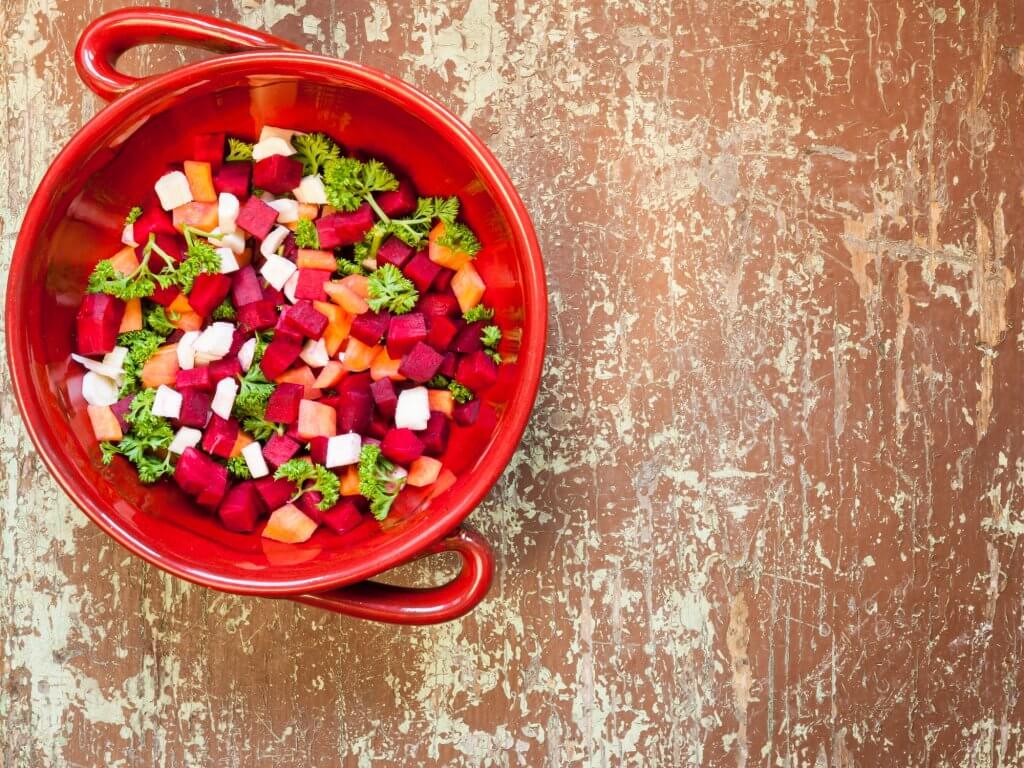
Root vegetable gratin
III. Nutritional Benefits of Root Vegetables
Root vegetables transcend their culinary appeal, offering a wealth of nutritional benefits that contribute to overall well-being. Explore the nutritional richness that lies beneath the soil.
Rich in Vitamins and Minerals:
Root vegetables are packed with essential vitamins such as A, C, and K, along with minerals like potassium, magnesium, and others.
These nutrients support various bodily functions, including immune health, bone strength, and energy metabolism.
High Fiber Content:
The high fiber content in root vegetables promotes digestive health by aiding in regular bowel movements.
Fiber also contributes to a feeling of fullness, supporting weight management and preventing overeating.
Low in Calories:
Despite their nutrient density, many root vegetables are surprisingly low in calories.
This makes them an ideal choice for those seeking flavorful, satisfying options without excessive caloric intake.
Incorporating root vegetables into your diet not only introduces a medley of flavors but also ensures a diverse and nutrient-packed array of essential compounds. From supporting immune function to aiding digestion, these vegetables play a crucial role in maintaining a healthy and balanced lifestyle.
IV. Popular Root Vegetables and Their Unique Qualities
the diverse world of root vegetables, each offering a unique set of qualities that goes beyond their subterranean origins. Let’s explore the popular root vegetables and what makes them stand out:
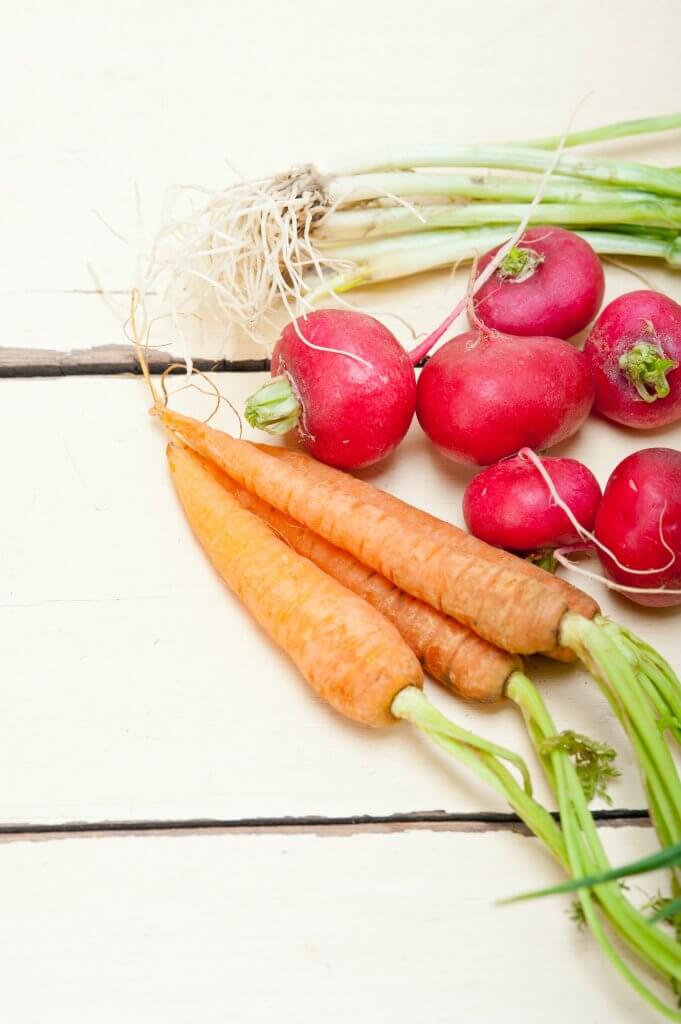
raw root vegetable
Carrots: More Than Just Beta-Carotene
Unique Qualities: Renowned for beta-carotene, carrots also provide vitamins K and B, contributing to bone health and energy metabolism.
Versatility: Enjoyed raw or cooked, carrots add sweetness and vibrancy to a variety of dishes.
Sweet Potatoes: A Superfood in Disguise
Unique Qualities: Often mistaken for high-carb options, sweet potatoes are rich in fiber, vitamins, and antioxidants.
Health Benefits: Support immune health and may have anti-inflammatory properties.
Beets: The Colorful Powerhouse
Unique Qualities: Beyond their vibrant hues, beets contain nitrates associated with improved blood flow and cardiovascular health.
Versatility: Roasted, boiled, or raw, beets add a splash of color and nutrition to salads, side dishes, and more.
Radishes: Crisp and Peppery
Unique Qualities: Radishes are known for their crisp texture and peppery flavor, adding a refreshing element to salads and dishes.
Nutritional Boost: Rich in antioxidants, radishes contribute to a healthy immune system and may have anti-cancer properties.
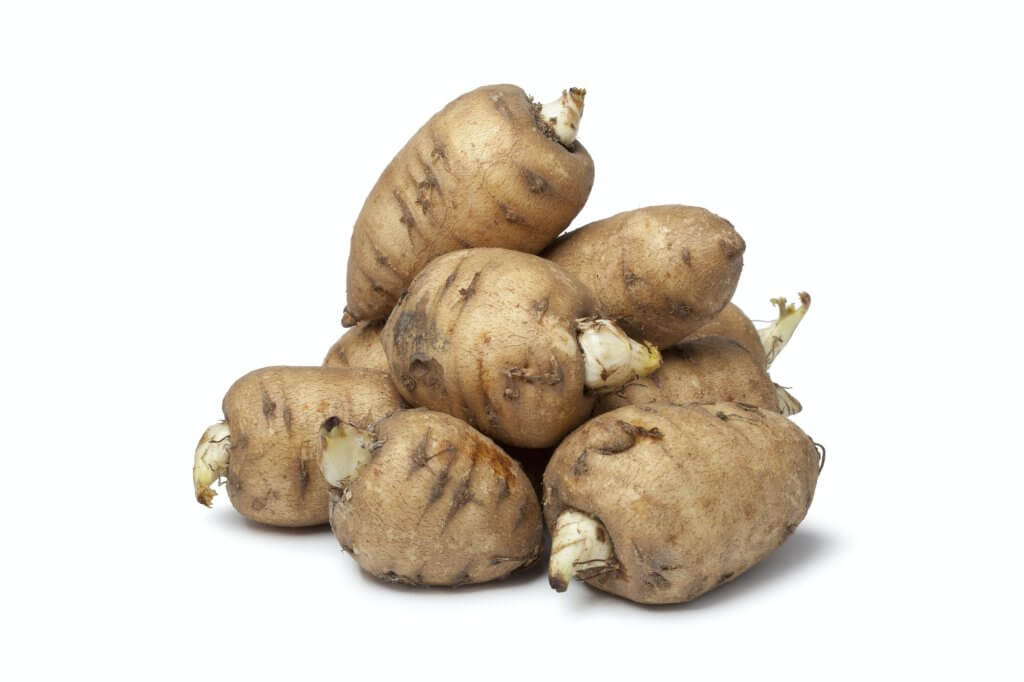
Turnip-rooted chervil
Turnips: Robust and Versatile
Unique Qualities: Turnips offer a robust, slightly peppery taste and are versatile in various culinary applications.
Low in Calories: With their low-calorie content, turnips are an excellent choice for those mindful of their caloric intake.
Parsnips: Nutty and Sweet
Unique Qualities: Parsnips bring a nutty and sweet flavor profile to the table, making them a delightful addition to roasts and stews.
Nutrient Content: High in fiber, parsnips support digestive health and add a hearty element to winter dishes.
Potatoes: Classic Comfort
Unique Qualities: Potatoes, a classic favorite, offer a comforting and versatile ingredient in various culinary traditions.
Moderation is Key: While high in carbohydrates, enjoying potatoes in moderation provides a filling and satisfying addition to meals.
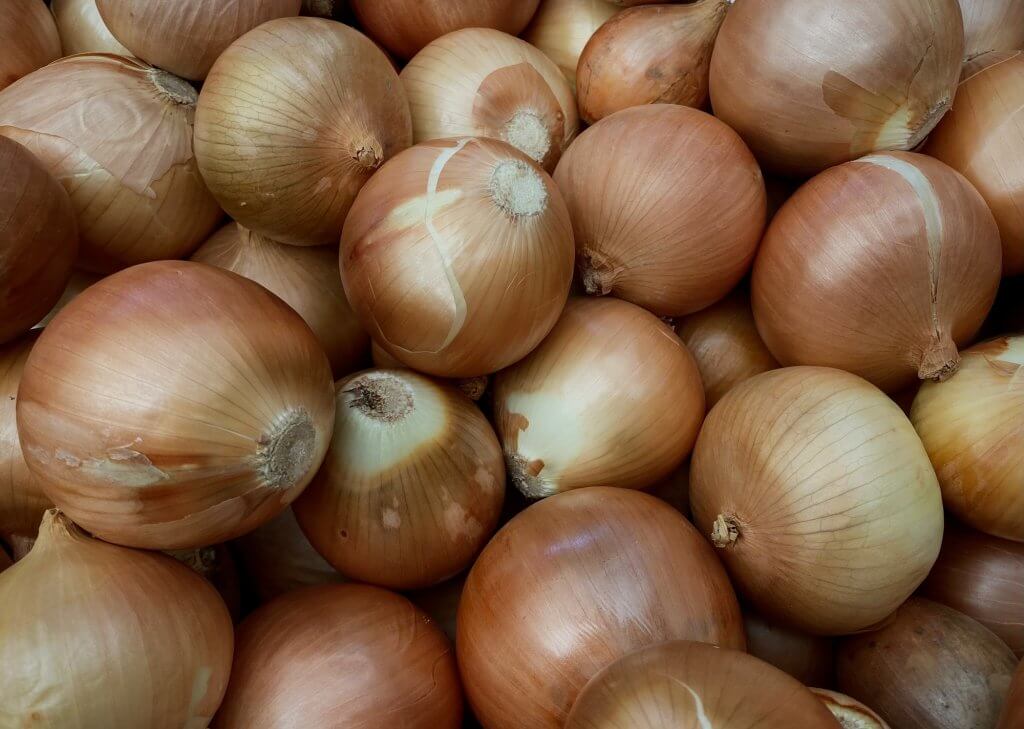
Onions
Onions: Flavorful Foundation
Unique Qualities: Onions, though often considered aromatic, also contribute essential nutrients and antioxidants.
Culinary Staple: They form the flavorful foundation for many dishes, enhancing taste and nutritional value.
Garlic: Robust Flavor and Health Benefits
Unique Qualities: Known for its robust flavor, garlic also possesses antimicrobial properties and may contribute to heart health.
Culinary Versatility: A staple in various cuisines, garlic adds depth and complexity to dishes, from sauces to roasts.
Ginger: Zesty and Medicinal
Unique Qualities: Beyond its zesty flavor, ginger has medicinal properties and is recognized for its anti-inflammatory and digestive benefits.
Culinary Uses: Used in both sweet and savory dishes, ginger imparts a unique kick and aromatic essence.
Rutabagas: Earthy and Nutrient-Packed
Unique Qualities: Rutabagas offer an earthy flavor and are rich in essential nutrients like vitamin C, fiber, and potassium.
Versatility: Whether mashed, roasted, or added to soups, rutabagas provide a hearty and nutritious addition to meals.
Celery Root (Celeriac): Knobby and Distinctive
Unique Qualities: Celery root, with its knobby appearance, has a mild celery flavor and is a great source of vitamins and minerals.
Creative Uses: Grated or pureed, celery root adds a unique twist to salads, purees, and soups.
Sunchokes (Jerusalem Artichokes): Sweet and Nutty
Unique Qualities: Sunchokes offer a sweet and nutty flavor, and they are a good source of iron, potassium, and dietary fiber.
Preparation Tip: Enjoy them roasted, sautéed, or even raw in salads for a delightful crunch.
Daikon Radish: Mild and Crisp
Unique Qualities: Daikon radish has a mild, slightly peppery taste and adds a crisp texture to salads and Asian-inspired dishes.
Digestive Aid: Known for promoting digestion, daikon radish is a refreshing addition to a variety of culinary creations.
Yams: Sweet and Satisfying
Unique Qualities: Yams, often confused with sweet potatoes, have a sweeter taste and are a good source of fiber and vitamins.
Culinary Delight: Baked, mashed, or fried, yams provide a sweet and satisfying element to both savory and sweet dishes.
Turmeric: Golden Spice with Healing Properties
Unique Qualities: Turmeric, with its vibrant golden color, contains curcumin, known for its anti-inflammatory and antioxidant properties.
Health Boost: Widely used in Indian cuisine, turmeric adds both color and potential health benefits to dishes.
Horse Radish: Pungent and Bold
Unique Qualities: Horse radish boasts a pungent, bold flavor that can add a kick to sauces, dressings, and sandwiches.
Digestive Stimulant: Traditionally believed to aid digestion, horse radish brings a zesty punch to various culinary creations.
Shallots: Delicate and Aromatic
Unique Qualities: Shallots, though small, pack a delicate and aromatic flavor, often described as a milder version of onions.
Culinary Elegance: Used in gourmet dishes, shallots enhance the sophistication of recipes, providing a subtle yet impactful taste.
Lotus Root: Crispy and Nutrient-Rich
Unique Qualities: Lotus root, with its distinctive appearance, offers a crispy texture and is rich in vitamins, minerals, and fiber.
Asian Cuisine Staple: Commonly used in Asian cuisine, lotus root brings a unique crunch to stir-fries and soups.
Leeks: Mild and Sweet
Unique Qualities: Leeks, with their mild and sweet flavor, are versatile in both cooked and raw applications.
Nutrient Content: Rich in vitamins A and K, leeks contribute to bone health and immune support.
As you embrace the array of popular root vegetables, each one brings its own distinctive qualities to the table. Incorporate these veggies into your meals to not only elevate the taste but also to enjoy the diverse health benefits they offer. Whether roasted, boiled, or raw, these root vegetables add both nutrition and flavor to your culinary adventures.
V. Cooking Tips and Recipes
Root vegetables offer a canvas for culinary creativity, whether you’re a seasoned chef or a home cook exploring new horizons. Here are some cooking tips and flavorful recipes to make the most of these versatile veggies:
A. Roasting vs. Boiling: Which Preserves Nutrients Better?
Cooking Method Matters:
Roasting root vegetables can enhance their natural sweetness and texture.
Boiling is a quicker option but may lead to nutrient loss in the cooking water.
Tip: Combine methods by parboiling before roasting for a perfect balance of nutrients and flavor.
B. Flavorful Recipes Incorporating Root Vegetables
Roasted Root Medley:
Ingredients: carrots, sweet potatoes, parsnips, and beets.
Instructions: Toss in olive oil, sprinkle with rosemary and thyme, and roast until golden brown.
rooted vegetable:
Ingredients: Turnips, potatoes, butter, and milk.
Instructions: Boil turnips and potatoes until tender, mash, and mix with butter and milk.
Crispy Baked Sweet Potato Fries:
Ingredients: Sweet potatoes, olive oil, paprika, and garlic powder.
Instructions: Cut into fries, toss in seasonings and oil, and bake until crispy.
Beet and Goat Cheese Salad:
Ingredients: Roasted beets, mixed greens, goat cheese, and balsamic vinaigrette.
Instructions: Combine ingredients for a colorful and flavorful salad.
Carrot Ginger Soup:
Ingredients: Carrots, ginger, onion, broth, and coconut milk.
Instructions: Simmer ingredients, blend until smooth, and enjoy a warming soup.
Coleslaw salad with apple, sour cabbage
Cabbage and Apple Coleslaw:
Ingredients: shredded cabbage, apples, cabbage, and a honey-mustard dressing.
Instructions: Toss ingredients for a refreshing and crunchy coleslaw.
Experimenting with these recipes and cooking methods allows you to fully embrace the diverse flavors and textures of root vegetables. Whether you’re aiming for a simple side dish or a hearty main course, let the versatility of these veggies shine in your kitchen.
VI. Addressing Concerns About Starchy Roots
A. Managing Blood Sugar Levels
For those concerned about blood sugar levels, moderation is key. Pairing starchy roots with fiber-rich foods can help regulate blood sugar spikes, making them suitable for individuals with diabetes.
B. Including Roots in Low-Carb Diets
Contrary to belief, certain root vegetables can be part of low-carb diets. Turnips, radishes, and cauliflower roots are excellent alternatives that provide a satisfying crunch without the excess carbohydrates.
VII. Sustainability and Environmental Impact
A. Root Vegetables as Sustainable Crop Choices
Root vegetables are often hardy crops that require minimal resources to grow. Their resilience makes them an eco-friendly option for those looking to reduce their environmental footprint.
B. Reducing Food Waste Through Root Vegetable Consumption
Root vegetables have a longer shelf life compared to many other vegetables, reducing the likelihood of food waste. By incorporating them into your meal planning, you contribute to a more sustainable food ecosystem.
Organic Root Vegetable Crisps
VIII. Myth-Busting Infographic
Myth 1: “All Roots Are High in Carbs”
Reality: Carbohydrate content varies; some, like turnips and radishes, are low-carb options.
Myth 2: “Root Vegetables Lack Nutritional Value”
Reality: Rich in essential vitamins and minerals, they are nutritional powerhouses.
Myth 3: “All Roots Taste the Same”
Reality: Each root vegetable boasts a unique flavor profile, from sweet carrots to earthy beets.
Myth 4: “Root Vegetables Contribute to High Blood Sugar”
Reality: Paired with fiber-rich foods, they can help manage blood sugar levels.
Myth 5: “Roots Lack Culinary Versatility”
Reality: From roasting to salads, root vegetables adapt to various cooking methods.
Myth 6: “All Roots Are High in Calories”
Reality: Many root vegetables are low in calories, offering flavor without excess calories.
Root vegetables are diverse, nutritious, and adaptable, dispelling common myths and enhancing your culinary experience! Visualize the truth about root vegetables with our infographic – a handy guide for navigating the world of these underground wonders.
IX. Testimonials and Success Stories
The real experiences of including root vegetables are discovered through firsthand experiences from individuals who have embraced root vegetables in their daily diets. From improved energy levels to enhanced well-being, these stories showcase the positive impact of incorporating these veggies into your meals.
Oven baked rabbit with root vegetables and herbs, rustic style
X. Conclusion
Root vegetables stand as an invaluable treasure trove of nutrition, dispelling prevalent myths that might have dissuaded individuals from fully embracing their benefits. Contrary to misconceptions, these culinary gems offer a diverse spectrum of flavors, from the earthy notes of beets to the sweet crunch of carrots.
By delving into the world of root vegetables, one not only expands their culinary repertoire but also taps into a rich source of essential nutrients. Embracing the variety that root vegetables bring to the table is not merely a gastronomic choice but a holistic approach to well-being. Beyond their unique tastes, these vegetables contribute significantly to overall health.
Packed with essential vitamins, minerals, and antioxidants, they play a vital role in supporting immune function, promoting digestive health, and even aiding in weight management. Root vegetables, with their nutritional richness, provide a pathway to elevate both the taste and the nutritional profile of meals.
In essence, let go of the myths that may have cast a shadow on the true potential of root vegetables. Instead, invite these earthy wonders into your kitchen to unlock a world of culinary possibilities and healthful benefits. By incorporating a variety of root vegetables into your meals, you not only nourish your body but also embark on a journey of culinary discovery, savoring the unique flavors and reaping the nutritional rewards that these underground treasures have to offer.
FAQs About Root Vegetables
Are all root vegetables high in carbs?
No, the carbohydrate content varies among root vegetables. Some, like turnips and radishes, are lower in carbs compared to others.
Do root vegetables lack nutritional value?
No, root vegetables are rich in essential vitamins and minerals, contributing to overall health.
Can root vegetables be part of a low-carb diet?
Yes, certain root vegetables, such as turnips and radishes, can be included in low-carb diets.
What cooking method preserves the most nutrients in root vegetables?
Roasting is known to preserve more nutrients, but boiling is a quicker option.
Are sweet potatoes high in carbs?
While sweet potatoes contain carbohydrates, they are also rich in fiber, vitamins, and antioxidants.
How do root vegetables contribute to sustainability?
Root vegetables are hardy crops that require minimal resources to grow, making them a sustainable choice.
Can root vegetables help in managing blood sugar levels?
Yes, moderation and pairing with fiber-rich foods can help regulate blood sugar levels.
Are there any unique benefits to consuming beets?
Yes, beets contain nitrates, associated with improved blood flow and cardiovascular health.
Do root vegetables contribute to weight management?
Yes, the high fiber content in root vegetables promotes a feeling of fullness, aiding in weight management.
How can I reduce food waste with root vegetables?
Root vegetables have a longer shelf life, reducing the likelihood of food waste. Incorporating them into meal planning can contribute to a more sustainable food ecosystem.